
Plants
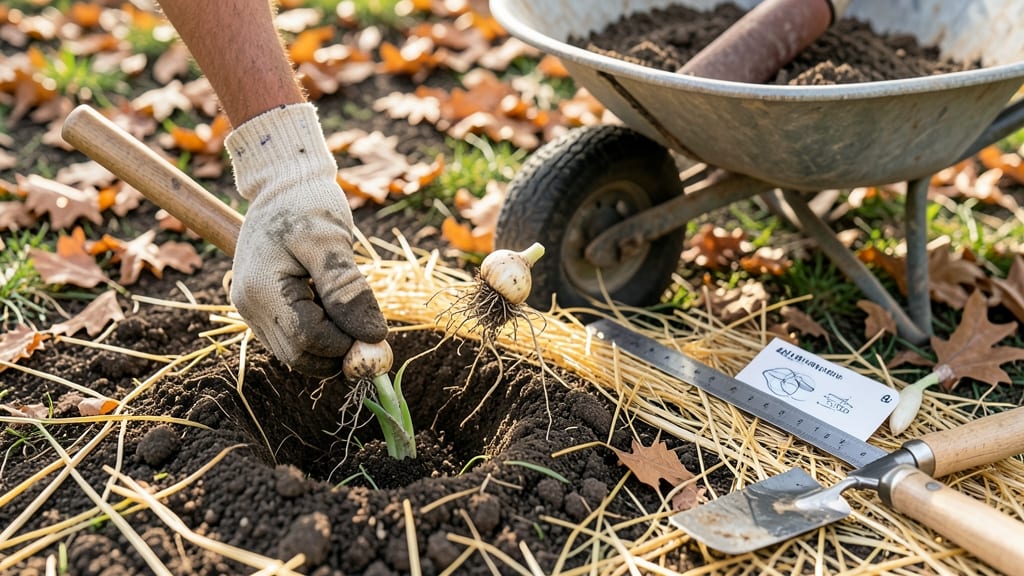
Planting tulip bulbs in the ground at the wrong time can mean the difference between a stunning spring display and a wasted investment.
The ideal window to plant these 🌷 beauties is in the crisp air of fall, but timing matters more than you might think—especially in USDA Zone 6a, where frost can sneak up faster than expected.
Most gardeners assume "fall" means anytime between September and December, but the truth is far more precise. Planting too early risks rotting bulbs in damp soil, while waiting too long leaves them vulnerable to winter's harsh freeze.
The key is getting them in the ground 6-8 weeks before your first frost, giving roots time to establish without over-exposure to cold.
If you're in Zone 6a, that means aiming for October to November—when soil temperatures dip to a cool 40-50°F and daylight starts shortening. This isn't just guesswork; it's about reading your climate like a pro.
I'll show you exactly how to nail this timing, whether you're a first-time planter or a seasoned gardener looking to perfect your technique.
From soil prep tricks to post-planting care, you'll discover the game-changer secrets that keep your tulips thriving through winter. Let's turn your fall planting into next spring's showstopper—no frost damage, no wasted bulbs, just vibrant blooms waiting to greet you.
Best fall planting months for tulip bulbs by USDA hardiness zones
Timing your tulip bulb planting is critical—plant too early, and they’ll rot in cold soil; too late, and they won’t root before frost damage. The key? Planting 6-8 weeks before your first hard frost, when soil temps hit 40-50°F.
Your USDA hardiness zone determines the exact window, and missing it can mean no spring blooms!
For Zone 3-5 (coldest climates), aim for late September to mid-October—your bulbs need time to establish roots before sub-zero temps hit. In Zone 6-7, stretch your window to October through early November, while Zone 8-10 gardeners can plant as late as December (but avoid soggy winter soils).
Here’s your zone-by-zone planting calendar, including soil temp thresholds and frost dates to nail the perfect timing:
| USDA Zone | Ideal Planting Month | Soil Temp Threshold | Frost-Free Window | Key Notes |
|---|---|---|---|---|
| Zone 3 (-40°F to -30°F) | Late September - Mid-October | 40-50°F | 6-8 weeks before first frost (Oct-Nov) | Use heavy mulch after planting |
| Zone 4 (-30°F to -20°F) | Mid-September - Late October | 45-55°F | 6-8 weeks before frost (Oct-Nov) | Avoid planting if soil is waterlogged |
| Zone 5 (-20°F to -10°F) | Late September - November 1 | 50-60°F | 6-8 weeks before frost (Nov) | Reblooming varieties need extra care |
| Zone 6 (-10°F to 0°F) | October - Early November | 55-65°F | 6-8 weeks before frost (Nov-Dec) | Can plant late November in mild years |
| Zone 7 (0°F to 10°F) | October - Mid-November | 60-70°F | 6-8 weeks before frost (Dec) | Early bloomers thrive here |
| Zone 8 (10°F to 20°F) | November - December | 65-75°F | 4-6 weeks before frost (Dec-Jan) | Avoid wet winters—plant in raised beds |
| Zone 9 (20°F to 30°F) | December - Early January | 70-80°F | 3-4 weeks before frost (Jan) | Dwarf varieties work best |
| Zone 10 (30°F to 40°F) |
How to tell when soil is ready for tulip bulbs (not too early, not too late)Timing your tulip bulb planting is all about reading your garden's cues. The perfect window arrives when soil temperatures drop to 40-50°F—this signals bulbs can root without rotting. Check with a soil thermometer or dig 6 inches deep; cool but workable soil is your green light. This usually happens 4-6 weeks before your first hard frost, but exact timing varies by USDA zone. Moisture levels also play a critical role. Soil should be damp but not soggy—like a wrung-out sponge. Waterlogged conditions cause bulbs to rot before winter, while bone-dry soil prevents root establishment. Aim for moderate moisture throughout the planting process, especially in sandy soils that drain too quickly. A simple squeeze test works: if soil crumbles but holds shape slightly, it's ready. ⚠️ WARNING: Common Mistake Alert! ⚠️
Planting too early (when soil is still warm) causes bulbs to sprout prematurely and get fried by frost. Planting too late (after ground freezes) means bulbs won't root before winter dormancy. Check your local frost dates—most gardeners plant when daytime temps hover around 50-60°F but nights dip below 40°F. Use a frost calendar for your zone to avoid these pitfalls!
For northern climates (Zones 3-5), this typically means planting in October—aim for mid-to-late October when soil cools but hasn't frozen. In warmer zones (6-8), you've got until November, but don't wait until December or bulbs may not establish roots before winter rains. Pro tip: Listen to your local garden centers—they track soil temps and often announce the "planting window" when bulbs arrive in stores. Adjust for early frosts by using mulch (straw or shredded leaves) after planting to insulate bulbs. In late-frost zones, plant earlier (even September) and use black plastic mulch to warm soil. Always plant bulbs 6-8 inches deep—deeper in sandy soil, shallower in clay—to account for soil type variations that affect temperature and moisture retention. Test your soil's readiness with the "finger test": Push your finger into the soil. If it feels cool to the touch but you can still work it without resistance, it's perfect. Pair this with a moisture check—dig a small hole and see if water pools or drains within 30 minutes. Well-draining soil is non-negotiable for tulips; amend heavy clay with compost or sand if needed. This simple combo of temperature, moisture, and drainage ensures bulbs get the head start they need. Remember, tulips are perennials, but their first-year blooms depend entirely on this fall planting window. By mastering these three key cues—soil temp, frost dates, and moisture—you'll give your tulips the best chance to survive winter and burst into spring color. Mark your calendar now: the soil won't wait forever! 🌷 |