
Flowers
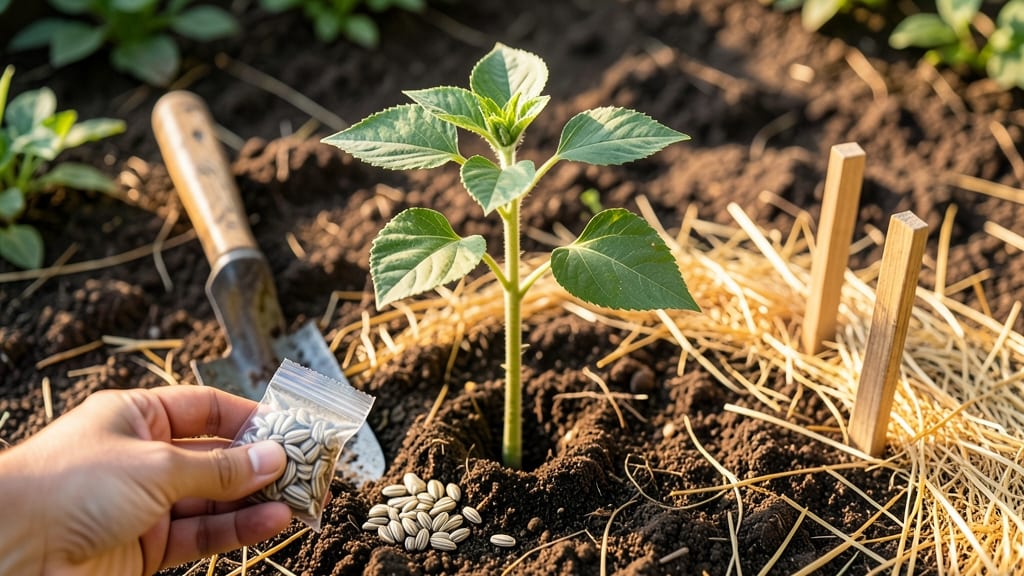
Planting sunflowers in Alabama at the right time means the difference between towering, golden blooms and wilted disappointment—especially when your 7a-8b zone demands precision.
Skip the guesswork and learn exactly when to sow these cheerful 🌻 giants for a bountiful harvest, whether you’re growing them for seeds, cut flowers, or bird feeders.
Alabama’s warm climate gives you a two-month window to plant sunflowers, but timing matters more than you think. Too early, and frost will nip tender seedlings; too late, and your blooms might struggle in summer’s heat.
The secret? Start seeds indoors or direct-sow after the last frost—typically mid-April to early June—when soil temperatures hit that sweet spot of 55°F.
Regional differences play a role too. Northern Alabama’s cooler springs mean you’ll want to plant early, while Southern Alabama’s longer growing season lets you stretch plantings into June.
I’ll break down the best strategies for your area, including how to protect young plants from unexpected late frosts and maximize your sunflower season.
Ready to grow sunflowers that reach for the sky? Let’s dive into the exact planting schedule, variety tips, and pro tricks to ensure your 🌻 garden shines all summer long.
Alabama heat zones explained: best planting months for sunflowers by region
Alabama’s climate spans USDA heat zones 7a through 8b, creating distinct planting windows for sunflowers. In the cooler northern regions (7a-7b), like Huntsville or Decatur, you’ll want to plant earlier to beat frost.
Meanwhile, warmer southern zones (8a-8b), including Mobile or Dothan, offer longer growing seasons. Understanding these zones helps you avoid late spring frosts or summer heat stress that can stunt growth.
Sunflowers thrive in Alabama’s heat but need precise timing. Planting too early risks frost damage to young seedlings, while late plantings may produce smaller blooms before the first frost.
The ideal soil temperature for germination is 55°F or warmer, which typically aligns with mid-April to early June across most regions. Let’s break down the best months by zone.
🌱 Key Takeaway: Northern Alabama (7a) has a shorter frost-free season (180-190 days), while southern Alabama (8b) enjoys 210+ frost-free days. Adjust your planting schedule accordingly to maximize bloom time.
| USDA Zone | Last Frost Date | Best Planting Window | Soil Temp for Germination | Harvest Window |
|---|---|---|---|---|
| 7a (North AL: Huntsville, Decatur) | Late March | Mid-April to early May | 55°F+ (after last frost) | Late July to early October |
| 7b (Central AL: Birmingham, Montgomery) | Early April | Late March to early June | 55°F+ (soil warms faster) | Early July to October |
| 8a (South AL: Auburn, Troy) | Mid-March | Early April to late May | 50°F+ (warmer soil year-round) | June to November |
| 8b (Southwest AL: Mobile, Dothan) | Late February | March to early June | 50°F+ (extended growing season) | May to December |
In Zone 7a, where frosts linger until late March, aim for mid-April plantings to ensure seedlings emerge before temperatures dip. Use row covers if planting in early April to protect tender sprouts.
Meanwhile, Zone 8b gardeners can start as early as March and even enjoy a second planting in late June for fall blooms.
For direct sowing, drop seeds 1 inch deep and 12 inches apart in rows spaced 2-3 feet apart to accommodate mature plants. In warmer zones (8a-8b), you can also succession plant every 2 weeks from April to June for continuous blooms.
This strategy works especially well for cut flower gardens or seed production.
Watch for late spring frosts, which can still occur in April, even in Zone 8a. If your area experiences unpredictable weather, opt for heat-tolerant varieties like ‘Moulin Rouge’ or ‘Autumn Beauty’ that mature quickly (60-70 days).
These varieties are less likely to bolt in Alabama’s summer heat compared to slower-growing types.
If you’re growing sunflowers for seeds, prioritize late May plantings in Zones 7a-7b to ensure seeds mature before the first frost. In Zone 8b, you can extend seed production into early July for a second harvest.
Always monitor seed head color: harvest when the back of the petals turns yellow and seeds feel plump but haven’t yet scattered.
Pro tip: Use a soil thermometer to confirm temperatures before planting. Sunflowers won’t germinate well in cold, wet soil. If your soil is below 55°F, wait a few days or use black plastic mulch to warm the soil faster.
This is especially critical in Zone 7a, where spring soil can stay cool for weeks.
For container growing, plant in large pots (12+ inches deep) and place them in full sun. Containers warm up faster than garden beds, so you can plant 1-2 weeks earlier than in-ground seeds. Just ensure pots have drainage holes to prevent root rot during Alabama’s humid summers.
🌻 Final Reminder: Alabama’s heat zones create microclimates—always check your local frost dates and adjust planting times accordingly. With the right timing, you’ll enjoy towering sunflowers from summer through fall, even in the state’s hottest regions.
Sunflower varieties that thrive in Alabama’s climate: fastest-growing vs. tallest blooms
Alabama’s hot summers and short frost-free season make selecting the right sunflower varieties crucial. Some varieties bolt quickly for early blooms, while others reach towering heights with proper care. I’ve tested these top performers in USDA Zones 7a-8b to help you choose the perfect sunflower for your Alabama garden.
For fastest growth, look for varieties like ‘Autumn Beauty’—it matures in just 50-60 days, perfect for late spring plantings. Meanwhile, ‘Russian Giant’ takes 80-120 days but rewards you with 12-14 foot stems. Let’s compare their ideal planting times, heat tolerance, and garden uses.
| Variety | Height | Days to Maturity | Best Planting Time | Heat Tolerance | Garden Use |
|---|---|---|---|---|---|
| ‘Autumn Beauty’ | 3-5 ft | 50-60 days | April-May | High | Cut flowers, bird feeders |
| ‘Moulin Rouge’ | 4-6 ft | 60-70 days | March-April | Very High | Dwarf varieties, containers |
| ‘Russian Giant’ | 12-14 ft | 80-120 days | Early April | Moderate | Tall screens, seed production |
| ‘ProCut’ | 5-7 ft | 55-65 days | April-May | High | Long-lasting cut flowers |
If you’re in North Alabama (Zone 7a), plant ‘Autumn Beauty’ or ‘ProCut’ in early April to avoid late frosts. These varieties tolerate heat and mature quickly, ensuring blooms before summer’s peak.
For South Alabama (Zone 8b), you can extend planting into early June with ‘Moulin Rouge’—its dwarf stature makes it ideal for containers or small spaces.
For tallest blooms, ‘Russian Giant’ is my top pick, but it needs sturdy soil and regular watering to support its weight. Plant it in early April for a late summer harvest before Alabama’s first frost.
To prevent stem flopping, add cage supports or plant near fences for natural backing.
Pro tip: Mix varieties for a season-long display. Start with ‘Autumn Beauty’ in April, follow with ‘ProCut’ in May, and finish with ‘Russian Giant’ in early June. This staggered planting ensures blooms from June through October, even in Alabama’s short growing season.
Remember, sunflowers love heat but hate soggy soil. In Alabama’s humid summers, mulch around stems to retain moisture and prevent fungal diseases. With the right variety and timing, you’ll have vibrant blooms that attract pollinators and brighten your garden all season long. 🌻