
Flowers
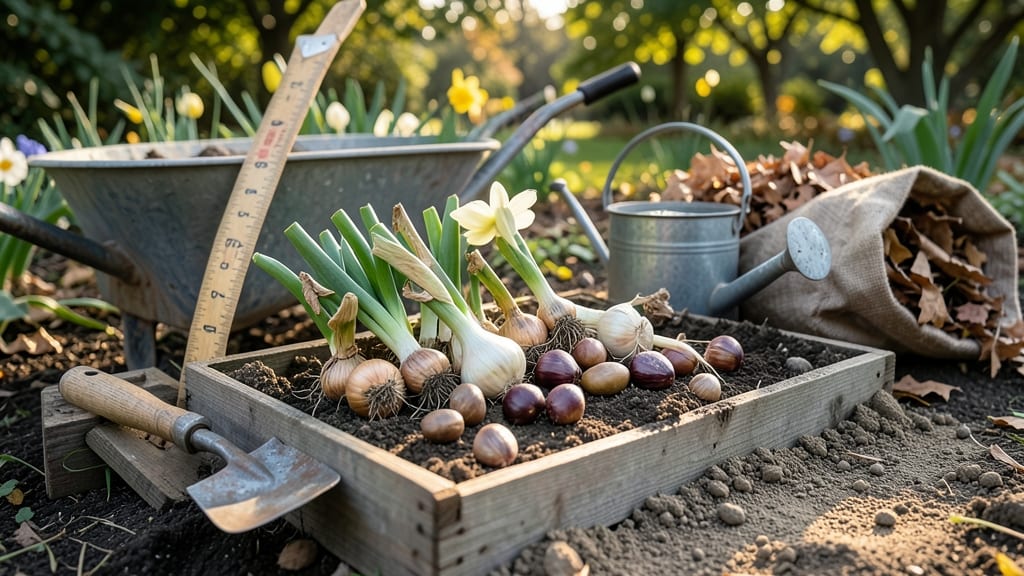
Planting flower bulbs 🌷 in autumn isn’t just about digging a hole—it’s about matching their chill-hour needs to your climate for perfect spring blooms. Get the timing wrong, and you’ll either end up with sad, rotting bulbs or miss the critical cold period they need to wake up in spring.
Most gardeners in zone 6a (like me!) have a 6-8 week window before the ground freezes—typically September through November. But here’s the secret: different bulbs like tulips and daffodils have unique chill requirements, and planting too early or late can ruin the show.
I’ll walk you through exactly when to plant each type, how to prepare your soil, and the simple tricks I use to guarantee vibrant blooms year after year. No more guesswork—just a foolproof plan for a garden that pops with color.
Ready to transform your fall planting into a spring spectacle? Let’s get started with the science behind timing that actually works.
How to match flower bulbs to your region’s chill-hour requirements
Understanding chill-hour requirements is the secret to growing vibrant spring blooms from flower bulbs. These cold-temperature hours (0-10°F) trigger dormancy and ensure healthy growth. Each bulb type has unique needs—tulips might need 1,000 hours, while daffodils thrive with just 500.
Planting at the wrong time risks weak blooms or no flowers at all.
First, find your USDA Hardiness Zone and average last frost date—this determines your planting window. For example, in Zone 5, aim for mid-September, while Zone 8 gardeners can plant until early December.
Use a local weather app or extension office for precise data. The goal? Plant bulbs 6-8 weeks before the ground freezes.
Here’s how to match bulbs to your region’s chill hours for guaranteed success:
| Bulb Type | Chill-Hour Range | Best Zones | Planting Window |
|---|---|---|---|
| Tulips | 800–1,200 hours | 3–8 | September–October |
| Daffodils | 300–600 hours | 4–9 | October–November |
| Hyacinths | 900–1,500 hours | 4–7 | September–October |
| Crocus | 100–300 hours | 5–9 | October–November |
| Allium | 600–1,000 hours | 4–8 | September–October |
Adjust planting for early or late frosts by using mulch (2–3 inches of straw or leaves) to insulate bulbs. In warmer zones (9–10), plant low-chill bulbs like rain lilies or crinum lilies, which need minimal cold exposure.
For cooler zones (1–4), opt for hardy varieties like Siberian tulips or winter aconite.
If your region has unpredictable frost dates, use a soil thermometer to check when temps drop to 60°F—this signals it’s time to plant. For container gardening, move pots to a sheltered spot or garage before hard frosts hit.
Remember, bulbs need consistent moisture after planting but drainage to prevent rot during winter.
Pro tip: Plant bulb combinations with varying chill needs for a longer bloom season. Pair high-chill tulips (1,200 hours) with low-chill daffodils (300 hours) to extend your garden’s color palette. This strategy works especially well in transition zones (7–8), where chill hours fluctuate yearly.
For first-time gardeners, start with daffodils or crocus—they’re forgiving and bloom reliably even with slight chill-hour mismatches. Use a planting depth guide: large bulbs (like tulips) go 6–8 inches deep, while small bulbs (like crocus) only need 2–3 inches.
Planting too shallow risks frost heave, while planting too deep delays blooming.
Track your bulbs’ performance each year and adjust future plantings based on bloom success. For example, if your tulips bloom poorly, try planting them 2 weeks earlier next autumn to accumulate more chill hours. Over time, you’ll refine your garden’s chill-hour strategy for show-stopping spring displays.
Don’t let chill-hour confusion hold you back—experiment with a few bulbs each season and watch your garden transform. With the right match, your autumn planting will reward you with bold, healthy blooms that brighten even the grayest spring days. 🌷
Autumn planting timeline by bulb type: when to dig in for best results
Autumn is the perfect time to plant flower bulbs, but timing varies dramatically by bulb type. Early bloomers like crocus and snowdrops need to be in the ground 8-10 weeks before frost, while late bloomers such as tulips and daffodils can wait until 6 weeks out.
The key is matching your bulbs to your region's soil temperature thresholds—typically 60°F (15°C) for planting. Cooler soils slow bulb growth, reducing rot risk while ensuring they get enough chill hours for spring blooms.
Your local first frost date is your planting deadline. For example, if frost hits November 15, plant tulips by October 1 and alliums by October 15. In warmer climates (Zones 8-10), extend planting into December, but avoid soggy soils.
Always check bulb packaging for specific chill-hour needs—some varieties need 10-15 weeks of cold, while others thrive with just 6-8 weeks.
Here’s your autumn planting timeline by bulb type, with soil temperature cues to guide you:
- 1
Plant 8-10 weeks before frost (soil temp: 50-60°F). These hardy bulbs need early planting to establish roots before winter. Ideal for Zone 3-7.
- 2
Plant 6-8 weeks before frost (soil temp: 55-65°F). These classic bulbs handle cooler soils well and bloom late spring. Perfect for Zone 4-9.
- 3
Plant 4-6 weeks before frost (soil temp: 60-70°F). These dramatic bulbs need less chill time and bloom early summer. Best for Zone 5-10.
- 4
Plant after first frost (soil temp: 65°F+). These heat-loving bulbs need warm soils to thrive. Ideal for Zone 8-11.
Pro tip: Use a soil thermometer to confirm temperatures. If your soil is too warm (>70°F), wait a week or two. For containers, plant bulbs in well-draining mix and keep them in a cool garage until spring. Mulch after planting to insulate roots and retain moisture during winter’s fluctuations.
Don’t let late autumn planting stress you—even bulbs planted in early December can succeed if your soil isn’t frozen. Just prioritize drainage and avoid waterlogged spots.
With this timeline, your garden will burst with color from early spring to summer, proving that patience in autumn pays off in vibrant blooms! 🌷