
Plants
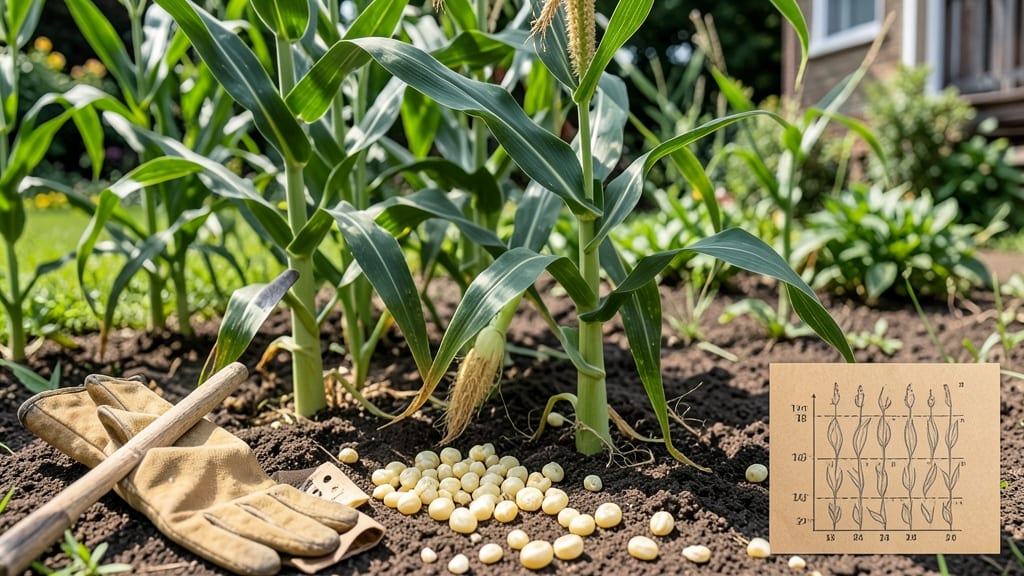
Timing your 🌽 field corn planting in North Carolina isn’t just about waiting for spring—it’s about outsmarting frost risks and soil temperatures to guarantee those towering stalks reach their full potential.
Plant too early, and chilly nights will stall germination; too late, and summer’s heat might cut your harvest short before kernels mature. The sweet spot? Aligning your schedule with North Carolina’s 7a-8b zones, where soil needs to hit 60°F and frost-free days stretch toward 180-220.
Most gardeners in the Tar Heel State swear by mid-April to early May as the ideal window, but that’s just the starting line. Varieties like Silver Queen or Golden Bantam demand precision—short-season types need a head start, while long-season hybrids might need staggered plantings to dodge late-summer heat stress.
I’ll break down exactly how to adjust your calendar based on your heat zone, so you’re not left guessing whether your corn will be knee-high by July or still struggling to stand.
Beyond dates, there’s the soil prep game-changer: black plastic mulch can shave weeks off warming time in cooler zones, while pH testing ensures your field corn isn’t fighting nutrient deficiencies from day one.
We’ll cover these pro tips to turn your planting into a foolproof system—no more watching your stalks wilt because you missed the 50°F soil threshold or ignored the first frost warnings.
Ready to transform your garden’s corn game? Let’s dive into the exact planting strategies that’ll have your ears plump and ready for harvest by late summer—no more empty husks or stunted growth.
Your future 🌽 harvest starts with the right timing, and I’ve got the zone-specific roadmap to make it happen.
NC heat Zone planting calendar: exact field corn start dates by region
Field corn thrives in North Carolina’s warm summers, but planting too early or late can ruin your harvest. The state’s 7 heat zones (4A–8B) create wildly different frost-free windows, soil warming rates, and maturity timelines.
For example, Zone 4A gardeners must wait until late May for safe planting, while Zone 8B can start as early as mid-April without frost risk.
All field corn varieties need soil temperatures above 50°F to germinate reliably, but faster-growing types like Silver Queen (85 days) tolerate cooler soils better than Golden Bantam (110 days).
Below, I’ve mapped exact planting windows by zone, plus frost-free averages and ideal maturity targets to ensure your crop reaches peak sweetness before fall frosts strike.
| Heat Zone | Avg Last Frost | Optimal Planting Window | Soil Temp Threshold | Recommended Varieties | Maturity Target |
|---|---|---|---|---|---|
| 4A (Mountains) | May 15 | Late May–early June | 55°F+ (warmer soils needed) | Silver Queen (85 days), Early Sunglow (90 days) | First frost: Oct 15 |
| 5A (Western NC) | May 1 | Early May–mid-May | 52°F+ | Golden Bantam (110 days), Country Gentleman (105 days) | First frost: Oct 30 |
| 6A (Piedmont) | April 15 | Mid-April–early May | 50°F+ | Peaches & Cream (95 days), Bodacious (100 days) | First frost: Nov 10 |
| 6B (Central NC) | April 1 | Late March–mid-April | 50°F+ | Ambrosia (85 days), Honey & Pearl (105 days) | First frost: Nov 15 |
| 7A (Eastern NC) | March 25 | Early April–late April | 50°F+ | Silver Queen (85 days), Country Gentleman (105 days) | First frost: Nov 20 |
| 7B (Coastal Plain) | March 15 | Mid-March–early April | 50°F+ | Peaches & Cream (95 days), Early Sunglow (90 days) | First frost: Nov 25 |
| 8A–8B (Southeast NC) | February 28 | Late February–mid-March | 50°F+ (earlier starts possible) | Golden Bantam (110 days), Bodacious (100 days) | First frost: Dec 1–Dec 15 |
For Zone 4A–5A growers, I recommend staggered planting in late May and early June to extend harvests. Cooler mountain soils delay germination, so use black plastic mulch to warm the earth 2–3 weeks faster.
In Zones 7B–8B, early starts (February–March) work for long-season varieties like Golden Bantam, but watch for summer heat stress—shade cloth can help during July’s peak temperatures.
Soil temperature is your #1 guide. Use a soil thermometer to confirm readings of 50°F+ at 2-inch depth before planting. In Zone 6A–7A, aim for April 15–May 1 to align with peak summer heat.
For short-season varieties (80–90 days), plant by May 10 in Zone 6B to avoid frost risks by late October.
Pro tip: Adjust for variety maturity. A 90-day corn planted in Zone 7B on April 1 will mature by June 30—perfect for early harvests. But the same variety planted in Zone 4A on May 20 may not reach maturity before September frosts.
Always check your seed packet’s days to maturity and count backward from your zone’s first frost date.
If you’re in Zone 8B and love Golden Bantam, you can even try a fall planting in July for a winter harvest before the first frost.
Just use row covers to protect young plants from unexpected chills. For Zone 4A–5A, focus on fast-maturing hybrids like Early Sunglow to beat the clock.
One common mistake? Planting too deep. Field corn seeds need 1–1.5 inches of soil coverage—any deeper, and they’ll rot. After sowing, keep soil consistently moist (not soggy) until germination, which typically takes 7–14 days depending on soil warmth.
In Zone 6A–7A, where summers are hot and humid, mulch with straw to retain moisture and suppress weeds.
Finally, mark your calendar for harvest time. Most field corn is ready when kernels are dented and husks turn brown—usually late August to October, depending on your zone. In <
How to adjust planting dates for early vs. late maturity corn varieties
Choosing the right corn variety and planting it at the perfect time can mean the difference between a bumper crop and a disappointing harvest in North Carolina. Early-maturity corn (80–90 days) thrives in cooler zones, while late-maturity corn (100+ days) needs longer growing seasons.
The key is matching your variety to your local heat zone and frost risks.
For short-season varieties like Silver Queen or Early Sunglow, I recommend planting in mid-April to early May in cooler NC zones (7a–7b). These varieties mature quickly and avoid summer heat stress, which can reduce kernel quality.
In warmer zones (8a–8b), you can push planting slightly later—late April to mid-May—to align with peak soil warmth.
Early vs. Late Maturity Corn Planting
- ✅ Plant: Mid-April to early May
- ✅ Best for: Cooler zones (7a–7b)
- ✅ Avoids: Summer heat stress
- ✅ Varieties: Silver Queen, Early Sunglow
- ⚠️ Plant: Late April to early June
- ⚠️ Best for: Warmer zones (8a–8b)
- ⚠️ Risks: Early fall frosts
- ⚠️ Varieties: Golden Bantam, Country Gentleman
If you’re growing late-maturity corn, timing becomes critical. Plant these varieties between late April and early June in NC’s southern zones (8a–8b) to ensure they mature before the first frost, typically around mid-November.
However, be cautious—summer heat waves can stress these plants, so always monitor soil moisture and provide consistent watering.
For gardeners in transition zones (7b–8a), I recommend a staggered planting approach. Start with early varieties in April, then follow with late-maturity types in May. This strategy extends your harvest window and reduces the risk of losing an entire crop to unexpected frost or drought.
Just be sure to space your plantings 2–3 weeks apart for optimal results.
One common mistake is planting late-maturity corn too early, which exposes it to excessive heat stress during pollination. If your corn tassels dry out or kernels become shriveled, it’s often a sign of heat damage.
To mitigate this, use shade cloth during extreme heat waves or choose heat-tolerant hybrids like Pioneer 39T21.
Finally, always check your local frost dates and adjust accordingly. In NC’s mountains (Zone 6a), early frosts can arrive as soon as mid-October, while coastal areas (Zone 8b) may stay frost-free until November 15.
By aligning your planting dates with these risks, you’ll set your corn up for success—whether you’re growing sweet corn for the table or field corn for livestock. 🌽