
Plants
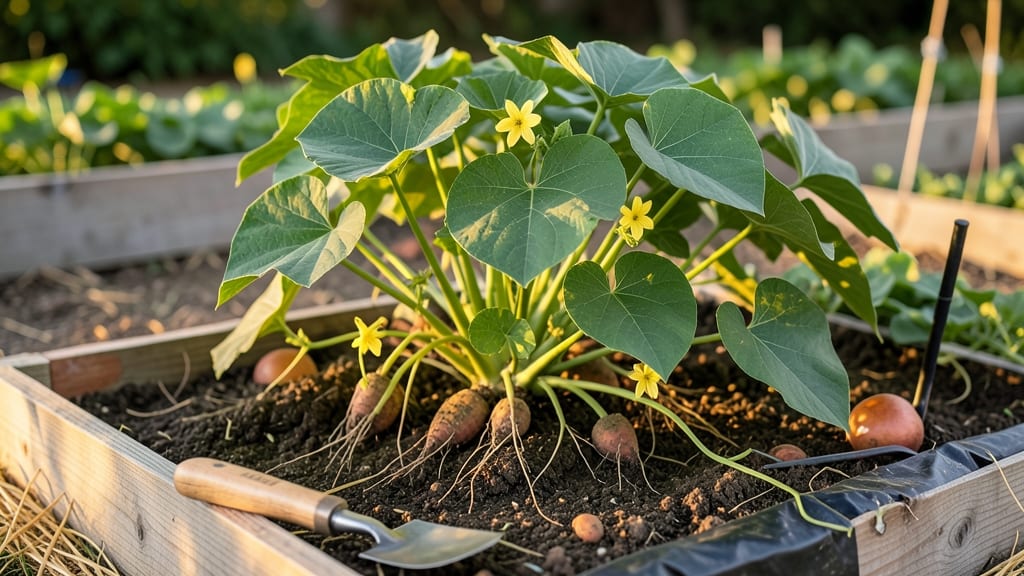
Planting sweet potatoes at the wrong time in North Carolina can mean the difference between a bountiful harvest and a disappointing one. Unlike other crops, these vibrant 🍠 tubers need warm soil and consistent heat to thrive, making timing critical for gardeners in zones 7a-8b.
Most gardeners in North Carolina plant sweet potatoes between mid-April and early June, once the soil reaches a steady 65°F and all frost risk has passed. This window ensures strong root development before summer heat sets in, but there’s more to it than just the calendar.
Whether you’re growing from slips (young plants) or seeds, understanding your local microclimate can help you extend the harvest season. From staggered planting to soil preparation, small adjustments make a big difference in yield and sweetness.
Let’s break down the best strategies for planting sweet potatoes in North Carolina, so you can enjoy a long, productive growing season and a harvest that rivals your favorite farm stand.
North Carolina sweet potato planting calendar: month-by-month guide for slips vs seeds
North Carolina’s 7a-8b climate zones offer perfect conditions for growing sweet potatoes, but timing is critical. Whether you’re planting slips (young plants) or seeds, the wrong window can mean poor yields or even crop failure.
Most gardeners in NC prefer slips because they mature faster—typically in 90-120 days—but seeds can be rewarding for those with patience.
For slips, the ideal planting window is mid-April to early June, once soil temperatures consistently reach 65°F and all frost risk has passed.
In Zone 7a (cooler regions like the mountains), wait until late April or early May, while Zone 8b (coastal areas) can start as early as late March. Seeds, on the other hand, require a longer growing season and are best sown 2-3 weeks earlier to compensate for slower germination.
Here’s a quick comparison to help you decide between slips and seeds based on your NC location and timeline:
| Factor | Slips | Seeds |
|---|---|---|
| Best Planting Months (NC) | Mid-April to early June | Late March to mid-May |
| Soil Temperature Requirement | 65°F+ (consistent) | 60°F+ (slower to warm) |
| Time to Maturity | 90-120 days | 120-150 days |
| Best for NC Zones | All (7a-8b) | Zone 8b (longer season) |
| Harvest Window | Late Sept-Nov | Oct-Dec (if frost delayed) |
| Cost & Availability | $1-$3 per slip (easy to find) | $0.50-$1 per seed (requires prep) |
If you’re in Zone 7a (like Asheville or the Piedmont), aim for late April to May to avoid early-season frost. In Zone 8b (coastal areas like Wilmington), you can start as early as late March for a longer harvest season.
For seeds, extend your planting window by 2-3 weeks earlier—they need more time to establish before summer heat sets in.
For slips, harden them off for 5-7 days before transplanting to prevent shock. Bury the top half of the slip (where roots form) and space plants 12-18 inches apart in rows 3 feet apart.
This spacing gives vines room to spread and reduces disease risk. Seeds should be planted 1 inch deep and thinned to the same spacing once seedlings emerge.
Monitor your soil temperature with a soil thermometer—sweet potatoes won’t thrive if it drops below 65°F. In June, you can still plant slips for a late-season harvest, but yields may be smaller due to shorter daylight.
For seeds, June planting is risky unless you’re in Zone 8b with a long, warm fall.
In July and August, focus on watering deeply (1-2 inches per week) and mulching to retain moisture. Avoid overwatering, which can cause root rot. By September, watch for vine dieback—this signals it’s time to harvest.
Use a fork to loosen soil gently and dig carefully to avoid damaging tubers.
For a second harvest, try succession planting with slips in early June. This extends your harvest into November before the first frost. Just be sure to choose disease-resistant varieties like Beauregard or Georgia Jet, which perform well in NC’s heat and humidity.
Remember, <
How to extend your sweet potato harvest season in North Carolina
North Carolina’s long growing season gives you a golden opportunity to enjoy sweet potatoes from summer through fall—but only if you plan strategically.
By using staggered planting, succession planting, and row covers, you can push your harvest window from late summer to early winter, even in cooler regions like the mountains. The key is matching your planting schedule to variety maturity and local microclimates.
Most gardeners focus on a single planting in late May, but this limits your harvest to just 6-8 weeks. Instead, I’ve found that 3-4 staggered plantings—spaced 2-3 weeks apart—can stretch your harvest for 3 months or more.
For example, planting Beauregard (early) in early May, Georgia Jet (mid-season) in late May, and Covington (late) in early June ensures a continuous supply.
- 🌱 Early May: Plant Beauregard or Centennial (90-day varieties)
- 🌿 Late May: Plant Georgia Jet or Bonita (100-day varieties)
- 🍠 Early June: Plant Covington or Vardaman (110-120-day varieties)
- 🌡️ Use floating row covers in September-October to protect late varieties from early frosts (NC’s first frost averages Nov 15)
- ☀️ Remove covers during the day to maintain 65°F+ soil temps for root growth
- 📅 Space plantings 2-3 weeks apart to ensure overlapping harvests
- 🪴 Use black plastic mulch to warm soil faster for early plantings
- 🏆 Early: Beauregard (90 days), Centennial (90 days)
- 🌟 Mid: Georgia Jet (100 days), Bonita (100 days)
- 🍂 Late: Covington (110 days), Vardaman (120 days)
Don’t overlook soil temperature—sweet potatoes won’t germinate well below 65°F. In cooler mountain regions (Zone 7a), wait until mid-May for your first planting, while coastal areas (Zone 8b) can start as early as early April.
I’ve also had success using heat mats for early slips to jumpstart growth in chilly springs.
For maximum yield, focus on well-draining soil with a pH of 5.8-6.5 and full sun. Sweet potatoes are heavy feeders, so amend beds with compost at planting and side-dress with 5-10-10 fertilizer when vines are 6 inches tall.
Avoid over-fertilizing with nitrogen, or you’ll get leafy vines but small roots.
Harvest timing varies by variety: early types (Beauregard) are ready in 90 days, while late types (Covington) take 110+ days. Watch for yellowing vines and toughened skin—these are your cues.
In NC, I typically start harvesting late September for early varieties and continue through November for late ones, using row covers to protect them from light frosts.
With these strategies, you can enjoy homegrown sweet potatoes from July through November—just in time for fall recipes, holiday feasts, and winter storage. The secret? Plan ahead, choose the right varieties, and protect your plants from NC’s unpredictable autumn weather. 🍠