
Plants
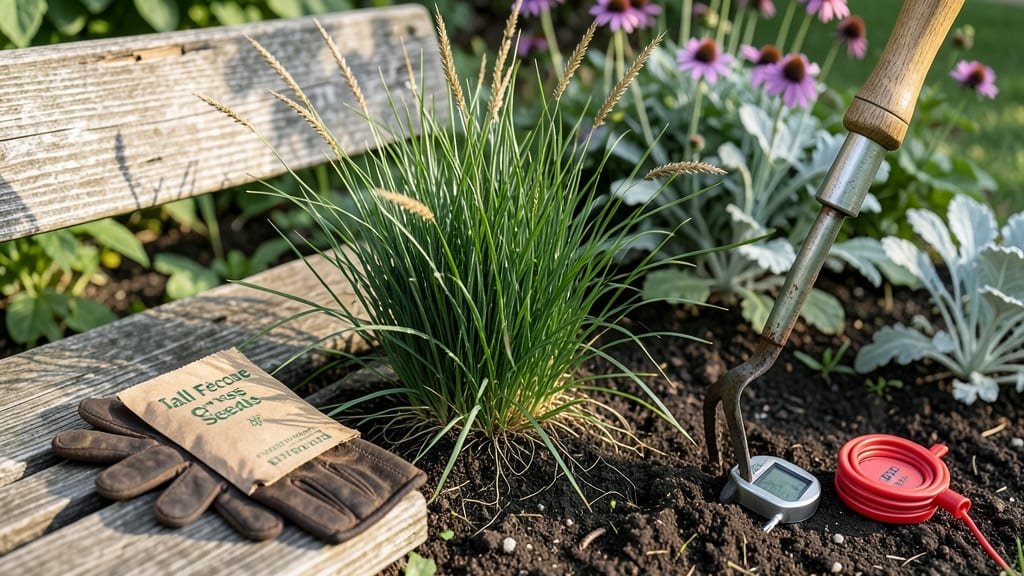
Planting fescue grass in South Carolina at the wrong time can turn your dream green lawn into a battle against the heat and humidity. With the state's USDA zones 7b-8a and long growing season, timing isn't just important—it's the key to survival for cool-season grasses like 🌱 fescue.
If you've ever watched your lawn struggle through summer's brutal heat or winter's chill, you know how critical the right planting window can be.
The secret to a thriving fescue lawn lies in understanding when to plant—typically between late summer and early fall—to give your grass the best chance to establish strong roots before winter sets in.
I've learned through experience that planting too early in summer means battling heat stress, while waiting too long risks weak root development before frost.
Let me show you exactly when to plant for maximum success in your specific part of South Carolina, whether you're in the coastal areas or inland Piedmont region.
You'll discover the ideal months, soil preparation tips, and how to prepare your lawn for planting—so you can finally have that lush, green yard you've been dreaming of. Let's get started with the perfect timing for your fescue.
Optimal planting windows for fescue in South Carolina’s heat zones 8a-8b
South Carolina’s USDA zones 8a-8b create unique challenges for planting cool-season fescue, where summer heat and humidity can stress young grass. The key to success lies in planting during optimal temperature windows—typically when daytime highs stay below 85°F and nighttime lows don’t drop below 50°F.
These conditions allow fescue to establish roots without heat stress or winter dormancy.
Most gardeners in the Piedmont region (e.g., Columbia, Greenville) and coastal areas (e.g., Charleston, Myrtle Beach) follow the same general timeline, but microclimates can shift planting by 2-4 weeks.
For example, coastal zones often experience milder winters, while inland areas face earlier frosts. Understanding these variations ensures your fescue thrives year-round.
| Planting Window | Ideal Months | Temperature Range | Region Notes |
|---|---|---|---|
| Early Fall | August – October | 70–85°F (day) / 55–65°F (night) | Best for root establishment before winter. Avoid planting after mid-October in Piedmont. |
| Late Summer | June – Early July | 80–90°F (day) / 65–75°F (night) | Risky but possible with daily watering and shade cloth. Coastal areas tolerate heat better. |
| Winter (Emergency) | December – February | 40–60°F (day) / 30–45°F (night) | Only for repairing bare spots. Use seed blankets to protect from frost. |
Early fall—specifically August through October—is the golden window for planting fescue in South Carolina. During this period, soil temperatures remain warm enough to encourage germination (60–75°F), while afternoon heat begins to ease.
This timing allows fescue to establish a 3–4 inch root system before winter dormancy, ensuring it greens up faster in spring.
If you’re in the Upstate (Greenville, Spartanburg), aim to plant by September 15 to avoid early frosts. Coastal gardeners in Charleston or Hilton Head have until October 15 due to milder winters.
Always check your local last frost date—typically November 15 for most of the state—and plant 4–6 weeks before to give roots time to anchor.
Late summer planting (June–early July) is possible but high-risk. Fescue seeds struggle to germinate in consistent 90°F+ temperatures, leading to poor establishment. If attempting this window, use shade cloth (30–50%) and water twice daily (morning and evening) to maintain soil moisture.
Coastal areas fare slightly better due to higher humidity, which reduces evaporation.
Winter planting (December–February) should only be done for spot repairs, not full lawn establishment. Fescue seeds require consistent warmth to germinate, and cold soil (below 50°F) will delay or prevent sprouting.
If you must plant in winter, use seed blankets or mulch to insulate seeds until spring warmth arrives. Avoid this window entirely for new lawns.
Regional variations play a critical role. The Piedmont’s drier climate (e.g., Columbia) demands more frequent watering during late summer planting, while coastal humidity (e.g., Beaufort) can lead to fungal issues if seeds aren’t spaced properly.
Always adjust your approach based on whether you’re in a low-lying, humid zone or a drier, inland area.
Pro tip: Test your soil’s moisture retention before planting. Sandy soils (common in Upstate SC) dry out faster, while clay soils (common in coastal areas) can suffocate roots.
Amend with compost or peat moss to improve drainage and water-holding capacity. This small step can double your success rate in challenging microclimates.
Remember, fescue’s cool-season nature means it thrives when temperatures drop. Planting outside these windows forces the grass to contend with heat stress, drought, or winter dormancy before it can establish.
By aligning your planting with South Carolina’s natural temperature shifts, you’ll set your lawn up for year-round resilience—even during the state’s infamous summer heat waves.
How to prepare your lawn for fescue planting: soil, weather, and pre-planting steps
Before you even think about planting fescue grass in South Carolina, proper preparation is key to avoiding common pitfalls like poor germination or weed competition. The state's humid summers and hot afternoons demand extra attention to soil conditions and timing.
Starting with a clean, well-prepared lawn ensures your fescue has the best chance to establish strong roots before winter sets in.
Your first step should always be soil testing. South Carolina's soil pH can vary dramatically—especially between coastal areas and inland regions. Fescue thrives in a pH range of 6.0 to 7.0.
If your soil tests higher or lower, you'll need to amend it with lime or sulfur before planting. Skip this step, and you risk stunted growth or yellowing grass, even with perfect timing.
Step-by-Step Pre-Planting Checklist
- 🔹 Test soil pH (ideal: 6.0–7.0) using a home test kit or lab analysis.
- 🔹 Adjust pH 4–6 weeks before planting by adding pelletized lime (for low pH) or elemental sulfur (for high pH).
- 🔹 Remove existing weeds with a non-selective herbicide (like glyphosate) or manual removal 4–6 weeks before planting.
- 🔹 Loosen compacted soil with a core aerator to improve water and root penetration.
- 🔹 Spread 2–3 inches of compost and lightly till into the top 4–6 inches of soil.
- 🔹 Monitor weather forecasts for consistent rainfall or plan for drip irrigation during dry spells.
- 🔹 Avoid planting if temperatures exceed 85°F or if heavy rain is forecasted within 48 hours.
Weed control is another critical step that many gardeners overlook. If weeds are already established, they’ll compete aggressively with your new fescue seedlings for nutrients and water. Use a pre-emergent herbicide designed for lawns, but apply it at least 4 weeks before planting to avoid harming your grass.
For organic options, consider corn gluten meal, which suppresses weed seeds naturally.
Timing your planting around South Carolina’s weather patterns is just as important as soil prep. The ideal window is late summer to early fall (August through October), when daytime temperatures begin to cool.
Planting in mid-to-late September gives fescue enough time to establish roots before the first frost—typically around mid-November in most of the state. Avoid planting in extreme heat (above 85°F) or during prolonged droughts, as seedlings can dry out quickly.
Finally, consider your local microclimate. Coastal areas like Charleston may experience milder winters and higher humidity, while inland regions like Greenville can have colder nights and lower humidity.
Adjust your planting timeline accordingly—coastal zones might extend their window into early November, while inland areas should aim for September to avoid winter stress. Always check a 7-day forecast before planting to ensure stable conditions.
With these steps, your fescue lawn will have the best start possible, setting you up for a thick, green carpet that withstands South Carolina’s challenges. Don’t rush—proper prep now means less work later and a lawn you’ll be proud of year after year. 🌱