
Plants
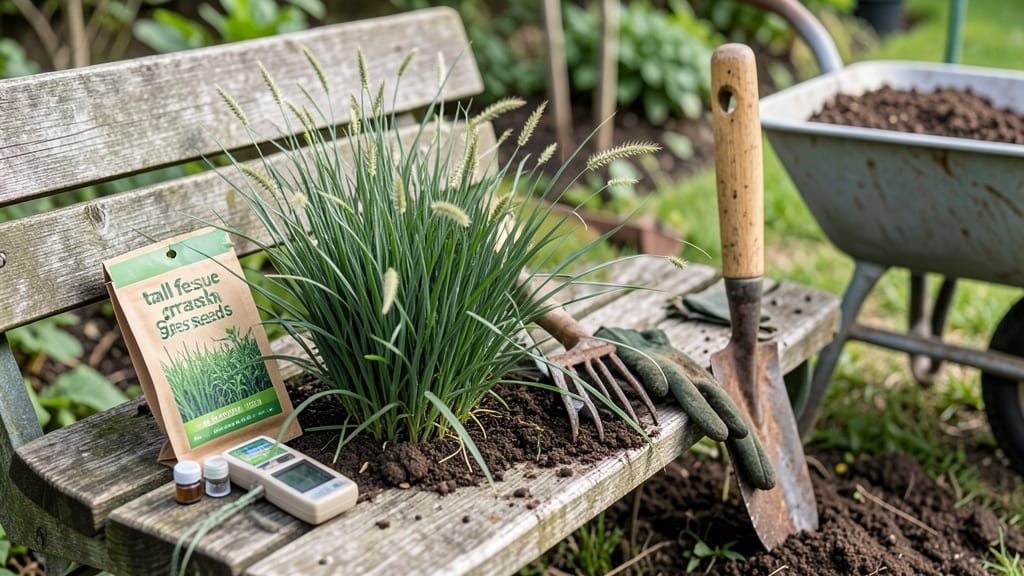
Planting fescue in Missouri at the wrong time can leave you with patchy, weak grass that struggles to survive the harsh winters and hot summers.
The key to a thick, resilient lawn lies in timing it perfectly—whether you're in St. Louis or Kansas City, getting those seeds in the ground just right makes all the difference.
Fall is actually the best time to plant fescue in Missouri, giving the roots 4-6 weeks to establish before winter sets in. But with Missouri's USDA zones 5b-7a, you'll need to know the exact window to avoid late-season frost or summer heat stress.
Let me show you how to pick the ideal planting dates for your region.
You might think spring planting is easier, but fescue thrives when established in cooler weather. That means cooler soil temperatures and less competition from weeds—perfect conditions for deep root growth.
I'll walk you through the exact months to aim for, plus how to prepare your lawn for success so you end up with a lush, green carpet by next summer.
Ready to transform your lawn? Whether you're a first-time planter or a seasoned gardener, these Missouri-specific tips will help you avoid common mistakes and get your fescue off to the strongest start possible. Let's get those seeds in the ground the right way!
Best fall planting windows for fescue in Missouri (with exact dates)
Missouri’s fall planting window for fescue is your golden opportunity to establish deep, resilient roots before winter dormancy. Unlike spring planting, fall gives seeds 6-8 weeks of warm soil and cool air—perfect conditions for germination and early growth.
The key? Avoid planting too early when soil is still warm, or too late when frost looms. Let’s break down the exact dates based on Missouri’s USDA zones 5b-7a.
Northern Missouri (Zones 5b-6a) has shorter frost-free periods and cooler soils, while southern Missouri (Zone 7a) enjoys warmer fall temperatures and later first frosts. This means your planting timeline should shift 2-3 weeks later as you move south.
For example, a perfect window in St. Louis (Zone 7a) might be September 15-October 15, while in Kansas City (Zone 6a), aim for September 1-September 30.
| Region | USDA Zone | Ideal Planting Window | Soil Temp Goal | First Frost Date |
|---|---|---|---|---|
| Northern MO (e.g., St. Joseph, Kirksville) | 5b-6a | Sept 1 - Sept 25 | 60-70°F | Oct 15-Nov 1 |
| Central MO (e.g., Columbia, Springfield) | 6b | Sept 10 - Oct 10 | 60-70°F | Oct 20-Nov 5 |
| Southern MO (e.g., St. Louis, Cape Girardeau) | 7a | Sept 15 - Oct 20 | 65-75°F | Nov 1-Nov 10 |
Your soil temperature is the most critical factor—fescue seeds need 60-70°F soil to germinate consistently. Use a soil thermometer (just $10 at garden centers) to check depths of 2-3 inches.
If temps dip below 50°F, germination slows dramatically, and seeds may rot. In northern Missouri, this often means late September is your last chance for reliable establishment.
Late fall planting (after October 15) is risky unless you’re in southern Missouri. Seeds planted too close to frost won’t have time to develop 3-4 inches of roots before winter, leaving them vulnerable to heaving (when soil freezes and lifts roots) or dormancy stress.
If you miss the window, wait until early spring (March-April), but be prepared for summer stress if planted too late.
Missouri’s microclimates add another layer—urban areas like St. Louis often stay 5-10°F warmer than rural zones due to the "heat island" effect. This can extend your planting window by 1-2 weeks.
Conversely, higher elevations (like the Ozarks) may need you to plant 2 weeks earlier to avoid early frosts. Always check your local Cooperative Extension Service for hyper-local advice.
Pro tip: If you’re seeding a large area, split your project into two batches—plant half in early fall and half in mid-fall. This hedges your bets against unpredictable weather.
For example, plant 50% by September 15 and the remaining 50% by October 1 in central Missouri. This ensures some seeds get the perfect conditions while others act as a backup.
Watch for rainfall patterns too—Missouri’s fall can swing from drought to deluge quickly. Aim to plant when your forecast shows consistent moisture for the next 10-14 days. If dry conditions persist, water lightly daily until germination (about 7-14 days) to keep seeds moist but not waterlogged.
Overwatering at this stage is a common mistake that leads to mold.
Finally, don’t let weed competition derail your timing. If your lawn has aggressive
How to prepare your Missouri lawn for fescue planting (step-by-step)
Missouri’s heavy clay soils and variable moisture demand extra prep work before planting fescue. Skipping these steps means stunted roots, weed competition, and poor germination—even with the best seed.
The key is creating a loose, fertile seedbed with proper drainage and pH balance to help fescue establish deep roots before winter.
Start by testing your soil’s pH level—Missouri’s native clay often sits at 5.5-6.5, which is too acidic for optimal fescue growth. Aim for a 6.0-7.0 pH by amending with lime (for acidic soil) or sulfur (for alkaline).
Your local Missouri Extension office can provide a free soil test kit and tailored recommendations.
Next, tackle weed pressure, which is fescue’s biggest enemy in the first 30 days. Use a pre-emergent herbicide like prodiamine 4-6 weeks before planting, or opt for a natural approach with corn gluten meal (apply in early spring).
For existing weeds, spot-treat with glyphosate 2 weeks before planting to avoid seed contact.
- 1. Test Soil pH
Collect samples 3-4 inches deep; adjust to 6.0-7.0 with lime/sulfur 4-6 weeks before planting. - 2. Aerate Compacted Soil
Rent a core aerator (3-4" deep) to break up clay layers; do this in early fall for best results. - 3. Level the Surface
Use a rake to fill low spots with sand/compost mix (50/50 ratio) and smooth bumps. - 4. Apply Starter Fertilizer
Spread 10-20-20 at 0.5 lbs per 100 sqft; water deeply to activate nutrients. - 5. Seedbed Prep
Lightly drag a stiff-bristle rake to create ¼" furrows; remove debris larger than ½ inch. - 6. Moisture Check
Test soil moisture by squeezing a handful—it should hold shape but not be soggy. Water lightly if dry.
After clearing weeds and adjusting pH, focus on soil aeration—Missouri’s clay compacts easily under foot traffic, suffocating fescue roots. Rent a core aerator (not a spike aerator) to pull 3-4" deep plugs across your lawn.
Do this 4-6 weeks before planting to allow soil to settle. For large areas, divide the work into sections to avoid over-compacting fresh soil.
For drainage issues, mix coarse sand (like #30 construction sand) into low-lying areas at a 25% sand/75% native soil ratio. Avoid pure sand, which can create pockets that repel water. In western Missouri’s drier zones, blend in compost to improve water retention while preventing compaction.
Finally, create a smooth seedbed by dragging a stiff-bristle rake over the soil to create shallow furrows (¼" deep). This helps seeds make contact with moisture and soil nutrients.
Remove any debris larger than ½ inch, as it can block sunlight or harbor pests. For sloped lawns, work across the grade to prevent erosion during watering.
With these steps complete, your Missouri lawn will be ready for fescue planting—giving seeds the perfect start to develop deep, drought-resistant roots before winter sets in. 🌱