
Plants
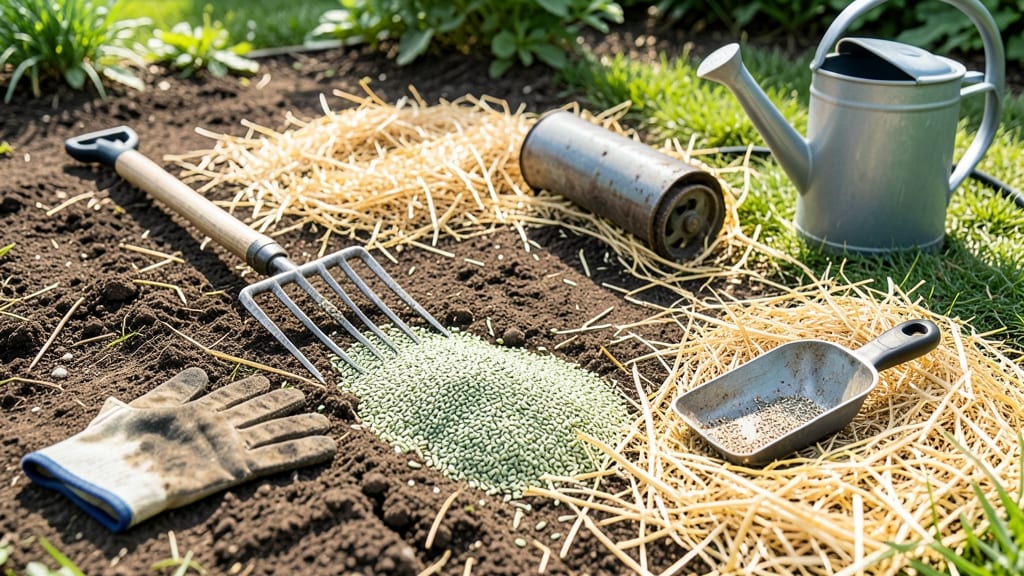
Planting grass seed in the fall gives you the best chance for a thick, resilient lawn—but timing is everything. Too early, and your 🌱 efforts might get nipped by frost; too late, and winter dormancy could stunt growth before spring.
The key lies in that 6-week window before the first hard freeze, when soil stays warm enough for roots to take hold.
I’ve learned the hard way that rushing the process can leave you with patchy results. Whether you’re in Zone 6a or another climate, understanding your local frost dates and soil temperatures is the difference between a lawn that thrives and one that struggles.
Let’s break down exactly when—and how—to plant for success.
You’ll discover how to read the signs your lawn is ready (hint: it’s not just about the calendar). From prepping your soil to post-planting care, I’ll share the most important steps to maximize germination and set your grass up for a strong start next season.
Ready to skip the guesswork? By the end, you’ll know exactly when to grab that seed bag—and how to give your lawn the easiest path to success. Let’s get started.
The exact fall planting window for grass seed by climate zone
Timing your grass seed planting in fall is all about balancing soil warmth and frost risk. The ideal window is when daytime temps hover between 60–75°F and nights stay above 40°F.
This gives seeds time to germinate and establish roots before winter dormancy kicks in. Miss this window, and you risk weak growth or frost damage.
Northern regions (USDA zones 3–6) should aim for late August to mid-October, while Southern zones (7–10) can plant until early November. The key is planting 4–6 weeks before your area’s first hard frost—when temps drop to 25°F or lower.
Check your local frost date to avoid planting too late.
Soil temperature is your best guide. Grass seeds need soil between 50–65°F to germinate properly. Use a soil thermometer ($10 at garden centers) to test before planting. If temps dip below 50°F, wait a week or two—cold soil slows germination and invites disease.
| USDA Zone | Optimal Planting Window | Soil Temp Threshold (°F) | First Frost Date | Adjustment for Early Frost |
|---|---|---|---|---|
| 3–4 (Cold Climates) | Mid-August to early September | 50–60°F | Late September–early October | Use winter ryegrass for faster germination |
| 5–6 (Northern US) | Late August to mid-October | 55–65°F | Mid-October | Plant tall fescue for cold tolerance |
| 7–8 (Mid-Atlantic/South) | Early September to early November | 60–70°F | Late November | Cover seeds with straw mulch for extra protection |
| 9–10 (Deep South) | September to mid-November | 65–75°F | Early December | Use warm-season grasses (e.g., Bermuda) if planting late |
If your area has unpredictable frost dates, err on the earlier side. For example, in USDA zone 5, planting by September 15 ensures roots establish before hard freezes. In zone 9, you can push it to November 1—just monitor weather forecasts for sudden cold snaps.
Pro tip: Check your seed packet for recommended planting dates. Many brands include a zone-specific calendar on the back. If your local weather is warmer than average, extend your window by 1–2 weeks. Conversely, if nights dip below 40°F, delay planting until temps stabilize.
For northern gardeners, consider planting cool-season grasses like Kentucky bluegrass or fine fescue. These varieties thrive in fall’s cooler temps and establish deep roots before winter. In southern climates, tall fescue or perennial ryegrass are better bets for fall planting.
One common mistake? Planting when soil is too cold (<45°F). Seeds may rot or fail to sprout. To speed up germination, water your lawn deeply 2–3 days before planting to warm the soil. Avoid planting after heavy rain, as soggy soil can suffocate seeds.
After planting, monitor your lawn for frost warnings. If a hard freeze is forecast within 2 weeks, cover newly seeded areas with straw or a breathable frost blanket. This protects tender seedlings without trapping moisture. Remove the cover once daytime temps rise above 50°F.
5 Signs you’re planting grass seed at the Perfect Fall Time
Timing your grass seed planting in the fall can feel like a guessing game—too soon and frost zaps your progress, too late and winter slows growth. But when you spot these 5 key signs, you’ll know you’ve hit the ideal 6-week window before hard freeze.
Let’s break down what to watch for in your yard and local weather patterns.
First, check your local frost dates. Aim to plant 4-6 weeks before the first hard freeze (usually 28°F or lower). For example, if your area freezes around November 15, seed in early October. Most seed packets list this window clearly—don’t ignore it!
- 1 Soil warmth: Test soil 6 inches deep—it should feel warm but not hot (ideal: 50–65°F). Stick your finger in; if it’s cool but not cold, you’re golden.
- 2 Daytime highs: Days should stay above 60°F during the day, but nights should dip to 40–50°F. This balance helps seeds germinate without stress.
- 3 Seed packet timing: Check the back of your seed bag—most recommend planting late summer to early fall. If it says “cool-season,” fall is your window!
- 4 Moisture test: Dig a hole, fill it with water, and cover it. If the soil absorbs water in 1 hour, it’s ready. Dry soil? Wait for rain or water deeply first.
- 5 No frost warnings: Check your 10-day forecast. If nights stay above 40°F consistently, you’re in the safe zone. Frost warnings? Hold off!
Missed the window? Don’t panic. If you planted too early and frost hit, cover seeds with straw mulch (2–3 inches thick) to insulate them. Too late? Wait until next spring—just aerate your lawn in early fall to prep for spring planting.
Pro tip: Use a soil thermometer ($10 at garden centers) to track temps. It’s the surest way to avoid guesswork. Once you’ve nailed these signs, your grass will establish roots before winter, giving you a thicker, greener lawn by spring.
Now grab your seeds and get planting—your future lawn will thank you! 🌱