
Plants
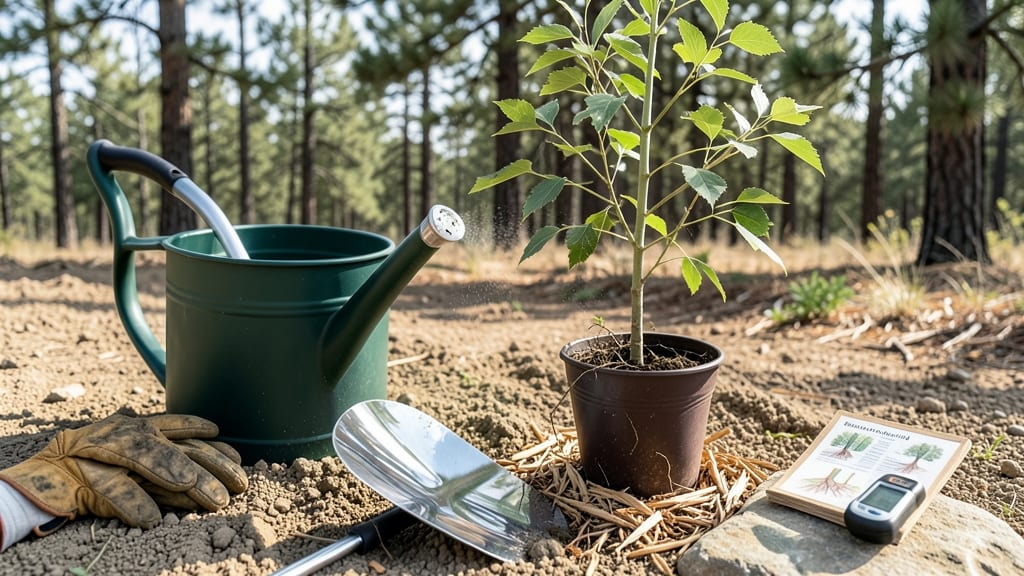
Planting a tree in Colorado at the wrong time can mean the difference between a thriving 🌳 and a struggling sapling fighting for survival against harsh winters and unpredictable weather.
With USDA zones 5-7 across the state, timing your planting window is critical to give roots the best chance to establish before the first frost.
Most Colorado gardeners know spring and fall are ideal, but the exact months depend on whether you're planting bare-root or container-grown trees—and where you live.
On the Front Range, late April through May offers perfect soil temperatures after the last frost, while the Western Slope's shorter growing season demands earlier fall planting in September.
I've seen firsthand how a tree planted just weeks too early or late can struggle with stunted growth or even die back. The solution? Understanding your local microclimate and species-specific needs—whether it's drought-resistant Ponderosa pines or moisture-loving Cottonwoods—makes all the difference.
Let's break down the exact planting deadlines for your zone, plus species-specific tips to ensure your Colorado tree grows strong from day one. You'll discover how to avoid common mistakes and set your tree up for decades of healthy growth.
Best planting months for Colorado trees by USDA Zone (5-8)
Colorado’s USDA zones 5-8 create unique challenges for tree planting, with freeze dates shifting dramatically from the Front Range to the Western Slope. Planting at the wrong time—like waiting too late in spring or too early in fall—can leave roots exposed to freezing temperatures or summer drought.
The key is aligning your planting schedule with soil temperatures (ideally 40-60°F) and moisture availability to give roots time to establish before winter.
For deciduous trees (like oaks or maples), the best window is late April through May, after the last frost but before summer heat sets in. Evergreens (such as pines or spruces) prefer fall planting in September or early October, allowing roots to settle before dormancy.
In Zone 8 (southern Colorado), you can extend planting into November, but avoid planting when soil temps drop below 40°F.
Colorado’s elevation variations add complexity—trees in Denver (Zone 5-6) face earlier frosts than those in Albuquerque (Zone 8). Use these zone-specific guidelines to avoid common mistakes like planting bare-root trees in summer (they dry out) or container trees in late fall (roots can’t establish before freeze).
Soil temperature is your best indicator: Use a soil thermometer to confirm it’s above 40°F before planting. In Zone 5, aim for May 1-June 15; in Zone 7-8, extend to October 15. Moisture is equally critical—newly planted trees need 1-1.5 inches of water weekly during the first growing season to prevent transplant shock.
| USDA Zone | Best Planting Window | Soil Temp Requirement | Moisture Needs | Tree Types |
|---|---|---|---|---|
| Zone 5 (Denver, Fort Collins) | Late April–June 15 | 40–55°F | 1–1.5" weekly | Deciduous (Oak, Maple), Evergreens (Spruce) |
| Zone 6 (Colorado Springs) | Late April–June 30 | 45–60°F | 1–1.5" weekly | Fruit Trees, Birch, Aspen |
| Zone 7 (Grand Junction) | April 15–July 15 | 50–65°F | 1" weekly (drought risk) | Cottonwood, Ponderosa Pine |
| Zone 8 (Albuquerque) | April 1–October 15 | 55–70°F | 0.75–1" weekly | Mesquite, Desert Willow |
In Zone 5-6, prioritize fall planting for evergreens—they establish roots before winter dormancy.
For Zone 7-8, extend fall planting to mid-October, but avoid planting when night temps drop below 45°F. Bare-root trees must be planted in early spring (before buds swell) to prevent desiccation, while container-grown trees can handle fall planting better due to their established root balls.
Colorado’s unpredictable weather demands flexibility. Monitor 10-day forecasts and soil moisture—if a heatwave is forecasted, delay spring planting until temps drop.
Similarly, if early frosts are predicted, finish fall planting at least 4-6 weeks before the first freeze. Mulch heavily (3–4 inches) after planting to retain moisture and insulate roots.
One common mistake is planting too late in fall, leaving roots vulnerable to freeze-thaw cycles. In Zone 5, stop planting by October 1; in Zone 8, you can push to November 1.
Always water deeply after planting and stake only if necessary (over-staking can girdle young trees). For drought-prone areas (like the Western Slope), choose native species like Ponderosa Pine or Gambel Oak, which establish faster in dry conditions.
Pro tip: Use mycorrhizal fungi at planting time to boost root growth in clay-heavy soils (common in Denver) or sandy soils (common in Pueblo). These fungi form symbiotic relationships with roots, improving water and nutrient uptake—critical for Colorado’s variable soil types.
Pair this with a slow-release fertilizer (like 10-10-10) to support early growth without burning roots.
Finally, remember that tree size matters. Smaller whip trees
Critical signs your Colorado tree planting timing is wrong (and how to fix it)
Planting a tree in Colorado outside the ideal window can trigger stress signals that stifle growth or even kill young roots. One of the first red flags is excessive wilting even after deep watering—this often means roots haven’t established in moist, unfrozen soil.
If your tree’s leaves turn yellow or brown within weeks of planting, it’s likely suffering from transplant shock due to poor timing or harsh weather conditions.
Slow growth in the first growing season is another warning sign.
If your tree gains less than 6 inches of height in its first year, it may have been planted too late in the season, leaving insufficient time for root development before winter dormancy. Colorado’s unpredictable frost dates (as early as October 15 in higher elevations) can trap young trees in a vulnerable state if planted too close to winter.
⚠️ CALLOUT-WARNING ⚠️
Planting too early: Roots may freeze in cold, wet soil (common in March-April at higher elevations). Planting too late: Insufficient root growth before first frost (risk in October-November).
Fix it: Use soil thermometers (ideal: 40-60°F) and check local frost forecasts before planting.
Soil conditions also reveal poor timing. If the ground feels rock-hard or frozen when you dig, your tree won’t get the oxygen-rich soil it needs to establish roots. Conversely, planting in waterlogged soil (common after Colorado’s spring snowmelt) can suffocate roots and lead to fungal diseases.
Always test soil moisture by squeezing a handful—it should crumble, not stick together.
For evergreen trees like Blue Spruce, planting in summer heat (June-August) causes stress from transpiration (water loss through leaves). You’ll spot this by needles turning brown at tips or premature leaf drop.
Deciduous trees, however, show stress differently—buds failing to open in spring or leaves curling inward are classic signs of poor fall planting timing.
Adjust your schedule by checking Colorado State University’s frost maps or local nursery recommendations. For USDA Zone 5-6 (Front Range), aim for late April to early May or September to mid-October.
In Zone 7 (Southwest Colorado), extend fall planting to late October to avoid early frosts. Always mulch heavily (3-4 inches) to protect roots from temperature swings.
If you’ve already planted at the wrong time, don’t panic. Deep watering (15-30 gallons per tree) and root-stimulating fertilizer (like mycorrhizal fungi) can help recovery. Monitor for pests or disease—stressed trees attract issues like aphids or borers.
With proper care, even late-planted trees can recover, but prevention is always easier than cure.