
Vegetables
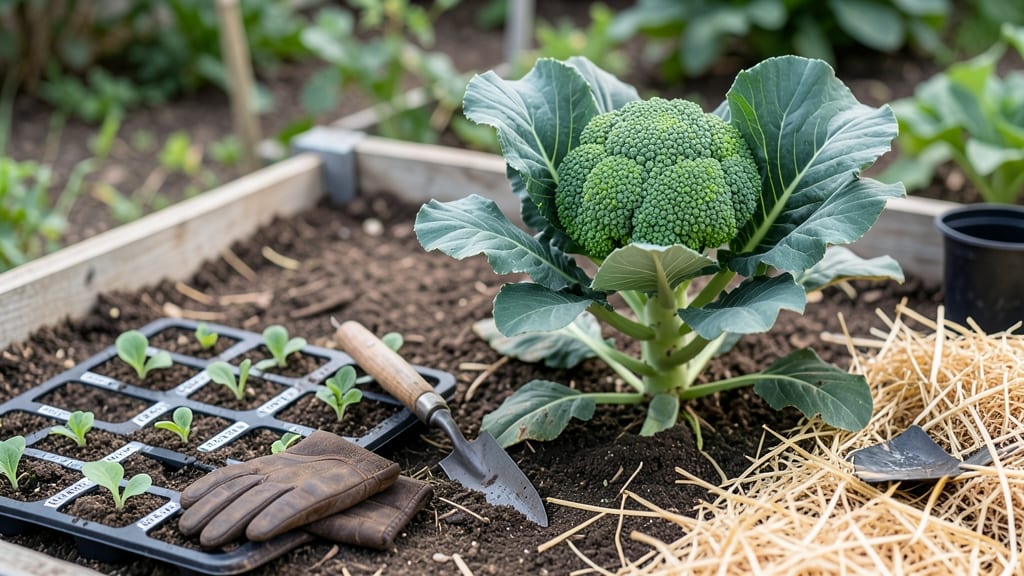
Planting your fall vegetables 🥬 at the wrong time in Virginia could mean wasted seeds or a garden that freezes before harvest—but getting the timing right unlocks a bounty of crisp greens and hearty roots all winter long.
With Virginia’s 6a-8a zones stretching from the mountains to the coast, the perfect planting window varies dramatically. Too early, and your broccoli bolts; too late, and a surprise frost ruins your kale before you even taste it.
The key? Starting 4-6 weeks before your first frost—but knowing exactly when that is for your county makes all the difference.
I’ve broken down the science—soil temps, frost dates, and crop-specific rules—so you can plant with confidence. Whether you’re in Richmond’s Zone 7a or the Shenandoah Valley’s 6b, this guide gives you the exact weeks to sow everything from spinach to carrots for a harvest that lasts.
Ready to turn your garden into a fall feast? Let’s dive into the county-specific dates that’ll keep your 🥬 thriving until winter.
Virginia’s fall planting calendar by hardiness Zone and county
Timing is everything when planting fall vegetables in Virginia. The first frost dates vary dramatically across counties—from mid-October in Norfolk (Zone 8a) to early November in Roanoke (Zone 6b). Planting too early risks bolting (premature flowering), while late planting may leave crops vulnerable to winter kill.
My strategy? Start 4-6 weeks before frost for most cool-season crops like kale and carrots, but adjust for heat-tolerant varieties like Swiss chard.
Virginia’s diverse microclimates mean county-specific adjustments are critical. Coastal areas like Virginia Beach (Zone 8a) have longer growing seasons than mountainous regions like Lee County (Zone 6b).
For example, broccoli thrives with 60-70 days to maturity—plant in late August in Zone 6b but wait until early September in Zone 8a to avoid heat stress.
Here’s my county-by-county breakdown of ideal planting windows for 10+ key Virginia locations, including frost risk adjustments and top cool-season staples:
| County (Zone) | First Frost Date | Ideal Planting Window | Top Crops (Days to Maturity) | Adjustments |
|---|---|---|---|---|
| Fairfax (7a) | Oct 15–20 | Aug 20–Sep 15 | Kale (50), Carrots (70), Spinach (40) | Use row covers for late crops |
| Norfolk (8a) | Nov 1–5 | Sep 1–15 | Collards (60), Turnips (50), Radishes (30) | Extend season with cold frames |
| Roanoke (6b) | Oct 30–Nov 5 | Aug 1–15 | Broccoli (60), Brussels Sprouts (90), Lettuce (45) | Plant early varieties |
| Richmond (7a) | Oct 20–25 | Aug 25–Sep 10 | Beets (60), Swiss Chard (50), Peas (60) | Succession plant every 2 weeks |
| Virginia Beach (8a) | Nov 5–10 | Sep 10–25 | Mustard Greens (40), Bok Choy (30), Arugula (35) |
Best fall vegetables to plant in Virginia and their ideal timingVirginia’s fall garden thrives when you plant the right cold-hardy vegetables at the perfect time. The key is to sow seeds or transplants 4-6 weeks before your region’s first frost, which typically arrives between mid-October and early November. This timing ensures vegetables mature before winter’s chill sets in, delivering fresh harvests straight from your garden. Not all fall crops are created equal—some bolt quickly in Virginia’s warming late-summer soil, while others need longer growing seasons to reach peak flavor. I’ve ranked the top 8 fall vegetables by their yield potential and frost tolerance, so you can prioritize what grows best in your backyard. Whether you’re in Zone 6b’s mountains or Zone 8a’s coastal plains, these varieties will reward you with hearty harvests. 1
Spinach – 30-40 days to harvest. Plant late July to early August for a quick crop before frost. Perfect for container gardening or succession planting every 2 weeks.
2
Kale – 50-60 days to maturity. Start seeds mid-August for sweet, frost-sweetened leaves. Thrives in cool weather and tolerates light frost.
3
Carrots – 60-80 days for full-sized roots. Sow late July to early September in loose, stone-free soil. Smaller varieties like ‘Paris Market’ mature faster.
4
Brussels Sprouts – 90-100 days to harvest. Plant transplants by mid-August for large, flavorful sprouts. Needs well-draining soil and consistent moisture.
5
Broccoli – 60-75 days to harvest. Sow seeds late July to early August for compact heads. Harvest before buds open for best texture.
6
Lettuce – 30-50 days to harvest. Plant late July through September for buttercrunch or romaine. Use shade cloth in peak summer to prevent bolting.
7
Radishes – 25-30 days to harvest. Sow every 2 weeks from August to September for quick, peppery roots. Ideal for interplanting with slower crops.
8
Turnips – 40-50 days for roots, 60 days for greens. Plant late July to early September in fertile soil. Harvest roots before greens yellow.
For Zone 6b gardeners in the mountains, like those in Roanoke or Blacksburg, aim to plant 2-3 weeks earlier than coastal areas. Meanwhile, Zone 8a regions such as Norfolk or Virginia Beach can extend planting into early September thanks to milder microclimates. Always check your local first frost date—the Virginia Cooperative Extension provides county-specific frost maps to guide your timing. Pro tip: Succession planting is your best friend in Virginia’s fall garden. For fast-growing crops like radishes or spinach, sow new seeds every 2 weeks to ensure a steady harvest. This strategy maximizes your garden’s potential and minimizes wasted space. Pair longer-season crops like Brussels sprouts |