
Planting
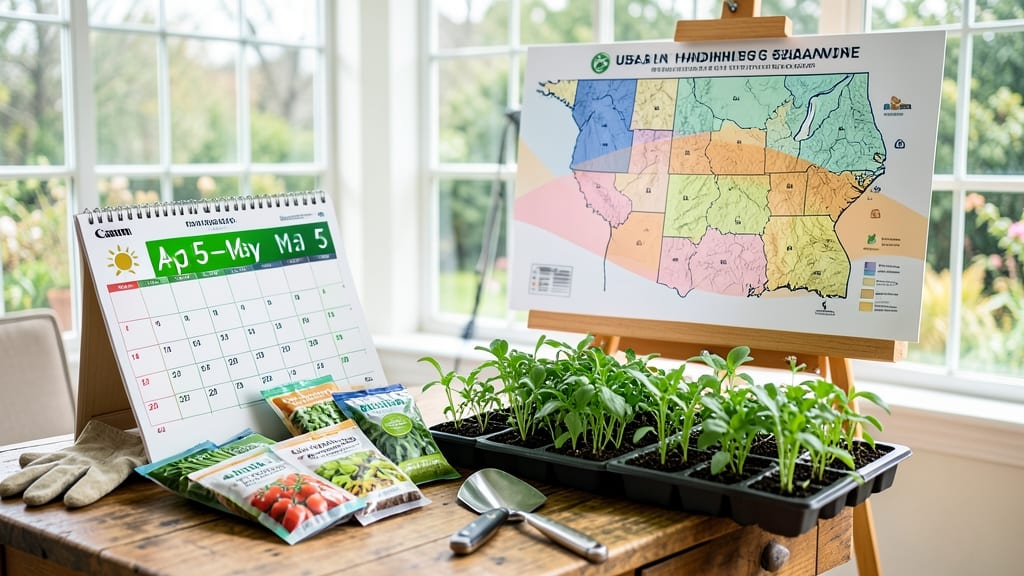
Timing your garden planting in Michigan wrong can mean the difference between a bumper crop and lost seedlings to late frosts. The exact window to plant varies dramatically from Detroit’s urban heat islands to the Upper Peninsula’s cooler climates, and getting it right means avoiding costly mistakes.
I’ve tracked Michigan’s frost dates for years, and what I’ve learned will save you from those heartbreaking early spring losses. Whether you’re sowing cold-hardy peas in April or waiting for warm soil to plant tomatoes in June, knowing your county’s specific averages is the key to success.
Let’s break down the science-backed timeline that works for your region.
From USDA Zones 4 through 6, Michigan’s planting calendar isn’t one-size-fits-all. Some areas can start direct sowing as early as mid-April, while others should wait until Memorial Day.
I’ll show you how to read frost forecasts, adjust for microclimates, and choose the perfect moment to put seeds in the ground—without guessing.
Ready to transform your gardening from a gamble to a guaranteed harvest? We’ll cover everything from soil temperature tests to county-specific planting charts, so you can confidently start your garden at the optimal time for Michigan’s ever-changing spring weather.
Michigan planting dates by Zone & county: last frost & soil temperature guides
Michigan’s USDA Zones 4-6 create a diverse planting landscape, where southern counties like Wayne (Detroit) enjoy earlier springs than northern regions like Marquette in Zone 4. The key to success?
Understanding your last average frost date and soil temperature thresholds—especially since Michigan’s soil can stay cold well after air temperatures warm up.
Cold-hardy crops like peas, spinach, and kale thrive when planted 4-6 weeks before your last frost, while tomatoes, peppers, and basil demand soil temperatures above 60°F (use a soil thermometer!).
Michigan State University Extension tracks these patterns annually, and their 2024 data shows 1-3 week variations between counties—critical for avoiding frost damage.
Here’s your county-by-county guide to last frost dates, soil warming timelines, and ideal planting windows for both cool-season and warm-season crops. Adjust for your microclimate: urban areas warm faster than rural zones, and lake-effect cooling delays planting near Lake Michigan and Huron.
In southern Michigan (Zones 5b-6b), like Wayne and Oakland counties, you can start cool-season crops as early as mid-March, but wait until late April for soil to warm enough for tomatoes and peppers.
My Detroit garden thrives when I plant basil after May 1st—any earlier, and a late frost wipes out seedlings.
Northern counties like Marquette (Zone 4b) face 2-3 week delays. Here, peas and spinach go in by mid-April, but warm-season crops like tomatoes wait until early June. The Upper Peninsula’s cooler microclimates mean row covers are essential for extending seasons.
For heat-loving plants, prioritize soil temperature over air temperature. Tomatoes need 60°F+ soil, while peppers demand 7
How to adjust planting for Michigan’s microclimates: urban vs. rural vs. UP
Michigan’s urban heat islands like Detroit can be 2-3°F warmer than rural areas, while the Upper Peninsula often faces late-season frosts until June. These microclimates mean your tomato plants might thrive in Ypsilanti but fail in Marquette if planted at the same time.
Understanding these differences helps you extend your growing season and avoid costly mistakes.
In urban Detroit, concrete and asphalt trap heat, allowing you to plant warm-season crops like peppers and squash 1-2 weeks earlier than rural areas. Meanwhile, Traverse City’s lake-effect cooling can delay planting by 10-14 days compared to inland regions.
The Upper Peninsula often has cooler soils and later frost dates, requiring cold-hardy varieties or protective measures.
Comparison Table: Planting Windows by Microclimate
| Microclimate | Last Frost Date | Safe Planting Window | Season Extension Tips |
|---|---|---|---|
| Urban (Detroit) | Mid-April | Late April - Early May | Use row covers for early starts; mulch to retain heat. |
| Rural (Lansing) | Late April | Early May | Start cold frames for leafy greens; succession plant every 2 weeks. |
| Lake Effect (Traverse City) | Early May | Mid-May | Plant cold-hardy crops first; use black plastic mulch to warm soil. |
| Upper Peninsula (Marquette) | Mid-May | Late May - Early June | Use greenhouse beds; choose short-season varieties like 'Early Girl' tomatoes. |
For urban gardens, leverage the heat island effect by planting warm-season crops like cucumbers and beans as early as late April. Monitor soil temperatures with a soil thermometer—aim for 50°F+ for most vegetables.
In rural areas, focus on succession planting every 2 weeks to maximize yield, especially for leafy greens and radishes.
In lake-effect regions, wait until mid-May to plant tomatoes and peppers, as Lake Michigan’s cooling breezes can delay soil warming. Use black plastic mulch to raise soil temperatures by 5-10°F.
The Upper Peninsula demands patience—opt for early-maturing varieties or extend the season with low tunnels to protect tender plants.
Pro tip: Row covers can push planting dates back by 3-4 weeks in all regions. For example, in Detroit, you can start spinach under row covers in early April, while in Marquette, the same method allows kale planting by late April.
Always check 7-day forecasts before removing covers to avoid late frosts.
Adjust your planting schedule based on elevation too—higher areas in the UP may need 2-3 weeks later than valley regions. For instance, Iron Mountain gardeners should wait until June 1 for tomatoes, while Sault Ste. Marie can start by May 20. 🌱