
Plants
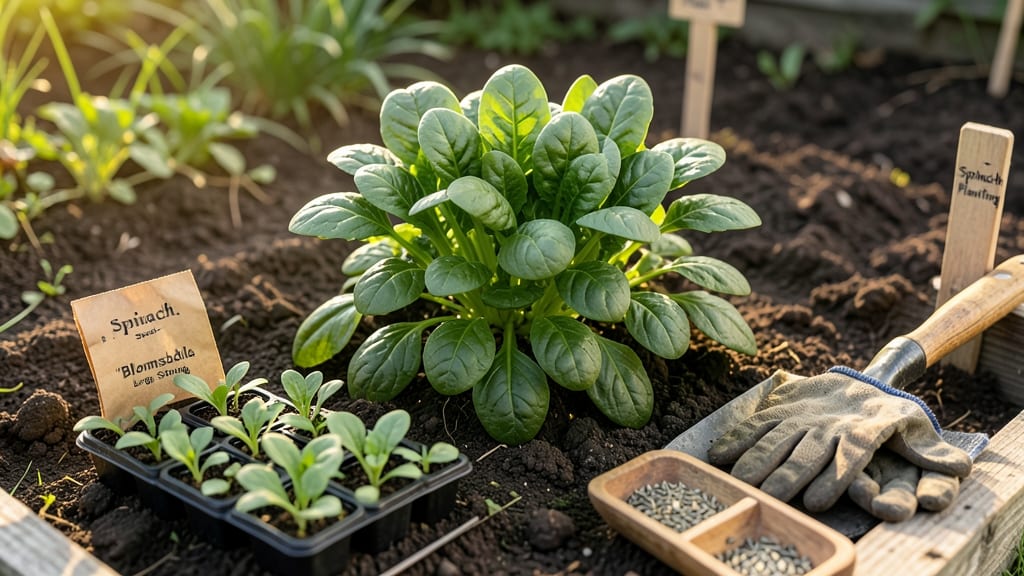
Planting fall spinach at the wrong time in Zone 7 can turn your crisp, tender 🥬 dreams into bitter disappointment—or worse, wasted seeds. The key to a thriving harvest lies in timing it just right, 6-8 weeks before your first frost, when cooler temps help spinach flourish without bolting.
Most gardeners in Zone 7 (like me!) assume late summer is the only window, but that’s only half the story. The real magic happens in late August to early September, when soil stays warm enough for germination but nights cool down fast enough to prevent heat stress.
This narrow window is your ticket to harvesting fresh spinach from October through November.
Why does this matter? Because planting too early means struggling with heat-loving weeds and bolting plants, while planting too late leaves you with stunted growth before frost.
I’ll show you exactly how to nail the timing—plus soil prep, spacing, and care tips—to ensure your spinach grows lush and ready for your kitchen.
Ready to avoid the common mistakes that kill fall spinach? Let’s dive into the step-by-step schedule that’ll have you harvesting crisp, homegrown greens all season long—no guesswork required.
Optimal planting timeline for fall spinach in Zone 7 (weeks before first frost)
Fall spinach thrives in Zone 7’s cooler temperatures, but timing is everything to avoid bitter leaves or wasted seeds. The 6-8 week window before your average first frost (typically October 15–November 1) is your sweet spot.
Plant too early, and heat stress triggers bolting. Too late, and frost ruins your harvest before maturity.
For baby spinach (harvested at 4–5 weeks), aim for 4-5 weeks before frost—this gives you a quick crop of tender leaves. For mature spinach (ready in 6–8 weeks), plant 6-8 weeks out to ensure full-sized plants before cold sets in.
This schedule works for most Zone 7 areas, but microclimates near coasts or mountains may shift dates by 1–2 weeks.
Pro Tip: Use your last frost date (Zone 7’s is around April 15) as a reference. Count backward from October 15 to lock in your planting window. For example, if your frost date is October 20, plant by September 10 for mature spinach or September 15 for baby leaves.
| Plant Type | Days to Harvest | Planting Window (Zone 7) | Key Notes |
|---|---|---|---|
| Baby Spinach | 4-5 weeks | September 10–20 | Harvest outer leaves for tender greens; succession plant every 2 weeks. |
| Mature Spinach | 6-8 weeks | August 20–September 10 | Full-sized plants; mulch to protect roots from early frosts. |
| Late Succession | 3-4 weeks | September 25–October 5 | Cold-hardy varieties like 'Winter Bloomsdale'; use row covers. |
✅ Adjust dates 1–2 weeks earlier for inland areas or later for coastal zones.
Your Zone 7 location plays a role too. Inland areas (e.g., Dallas or Raleigh) may need to plant 1–2 weeks earlier due to hotter summers, while coastal zones (e.g., Charleston or Norfolk) can extend planting until late September thanks to milder temperatures.
Check your local frost dates for precision—even a 5°F difference can shift your timeline.
For baby spinach, sow seeds ½ inch deep and 1 inch apart in rows spaced 12 inches apart. Thin seedlings to 3–4 inches apart once they’re 2 inches tall.
This spacing prevents overcrowding, which leads to disease and poor air circulation. Use a light mulch (straw or shredded leaves) to retain moisture and suppress weeds without smothering young plants.
If you’re growing mature spinach, space plants 6–12 inches apart in rows 18 inches apart. This gives roots room to establish before winter. For both types, enrich your soil with compost or aged manure before planting—spinach is a heavy feeder and needs nitrogen-rich soil to thrive.
A soil test can confirm your pH (6.5–7.0) is ideal.
Watch for heat spikes in late summer. If temperatures exceed 85°F, spinach bolts quickly. Use shade cloth (30–50%) or plant in partial shade (e.g., under dappled trees) to keep leaves tender.
Water deeply in the morning to prevent stress—spinach needs 1–1.5 inches of water per week, but avoid soggy soil to deter fungal diseases like downy mildew.
As frost approaches, protect your spinach with row covers or cold frames to extend harvests. Many varieties (like 'Tyee' or 'Corvair') tolerate light frosts, but a hard freeze will ruin tender leaves.
Harvest leaves before frost or use them in soups/stir-fries for a nutrient-packed fall treat. With the right timing, you’ll enjoy fresh spinach from October through December in Zone 7.
Remember: Succession planting is your secret weapon. Sow new seeds every 2 weeks from mid-August to early October to ensure a steady supply. This staggered approach guarantees you’ll always have fresh, tender spinach—not bitter or stringy—right up until winter sets in.
How to Adjust planting dates for baby vs. mature spinach harvests
Growing spinach for baby leaves vs. mature harvests requires different planting strategies in Zone 7. Baby spinach (50–60 days to harvest) lets you squeeze in quick crops, while mature spinach (70–80 days) needs more time to develop full-sized leaves.
The key? Succession planting and precise timing to avoid bolting from heat or frost.
For Zone 7, where the average first frost hits around October 20, your planting window narrows. Baby spinach can tolerate cooler temps, but mature varieties need warmth to bulk up. Here’s how to balance both for a continuous harvest through fall.
- Baby Spinach (50–60 days): Plant 8–10 weeks before frost (early to mid-September in Zone 7). Ideal for quick harvests and succession sowing every 2–3 weeks until late September.
- Mature Spinach (70–80 days): Plant 6–8 weeks before frost (late August to early September). Choose heat-tolerant varieties like 'Tyee' or 'Bloomsdale Long Standing' for better success.
- Late-Season Extenders: For winter harvests, plant hardy varieties like 'Winter Bloomsdale' 4–6 weeks before frost (mid-October). Use row covers to protect from light frosts.
- Heat Protection: If planting in August, use shade cloth (30–50%) to prevent bolting. Spinach bolts at temps above 80°F, so afternoon shade is critical.
- Succession Planting: Sow new rows every 10–14 days from late August through September. This ensures a steady supply of fresh leaves as older plants mature.
Start with baby spinach varieties like 'Baby’s Leaf Hybrid' for faster turns. These can be harvested in just 30–40 days, making them perfect for late-season plantings. For mature spinach, prioritize slow-bolting types and avoid planting too early—heat stress ruins flavor and texture.
In Zone 7, late August is your best bet for mature spinach, while September works for baby leaves. If you miss these windows, consider container growing to move plants to cooler microclimates, like near north-facing walls or under trees.
Pro tip: Test soil fertility before planting. Spinach thrives in rich, nitrogen-rich soil with a pH of 6.5–7.0. Add compost or aged manure 2–3 weeks before sowing to give roots a nutrient boost for faster growth.
With the right timing, you can enjoy fresh spinach from September through November—or even later with protection. The secret? Start early, plant often, and protect from heat to keep your harvests sweet and tender.