
Companion Plants
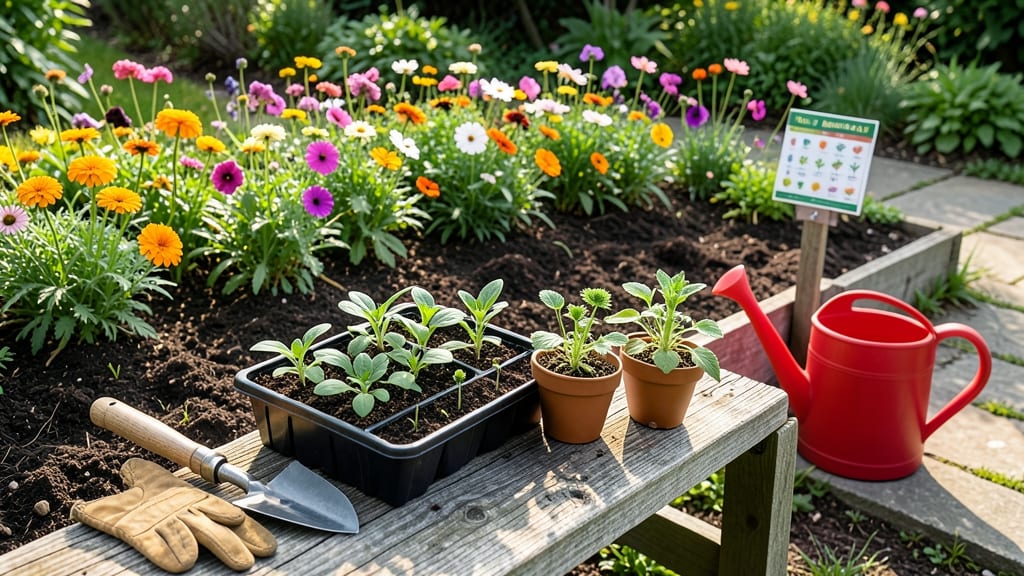
Zone 7 last frost dates: exact weeks before planting annuals for success
Understanding your Zone 7 last frost dates is the first step to a thriving garden. In this zone, the average last spring frost typically occurs between March 15 and April 15, depending on your exact location.
For frost-sensitive annuals like marigolds or impatiens, waiting until after this date ensures survival.
However, microclimates can shift these dates by 1-2 weeks. Valley areas often warm faster than hilltops, while urban zones may experience heat islands that delay frost. Always check your local Almanac or use a frost calendar for precise timing.
Here’s the critical rule: Plant tender annuals only after your average last frost, but add a 2-4 week buffer for safety. Soil temperature matters too—wait until it reaches 60°F+ for warm-season plants like basil or petunias.
| Plant Type | Average Last Frost | Safe Planting Window | Notes |
|---|---|---|---|
| Cool-Season Annuals (e.g., pansies, lettuce) | March 15–April 1 (early) | 4–6 weeks before last frost | Tolerate light frost; start seeds indoors. |
| Warm-Season Annuals (e.g., marigolds, impatiens) | April 15–May 1 (mid) | 2–4 weeks after last frost | Frost-sensitive; wait for soil warmth. |
| Heat-Loving Annuals (e.g., zinnias, cosmos) | May 1–May 15 (late) | After May 1 (soil >60°F) | Thrive in summer heat; avoid early planting. |
| Frost-Tolerant Annuals (e.g., snapdragons, sweet peas) | March 1–March 15 (early) | Direct sow 2–3 weeks before last frost | Handle light frost; ideal for spring blooms. |
For fall planting, the first frost in Zone 7 usually arrives between October 15 and November 15. Plant cool-season annuals like kale or pansies 6–8 weeks before your average first frost for a second harvest. Use row covers to extend the season by 2–4 weeks.
My pro tip: Use biodegradable seed pots for tender starts. They reduce transplant shock and let you harden off plants gradually. Place them in a sheltered spot (like near a south-facing wall) to protect against late frosts.
If you’re unsure about your exact last frost date, try the "leaf test". Place a white sheet over plants overnight—if frost forms, wait another week. For urban gardeners, city heat can delay frost by 7–10 days, so adjust accordingly.
For succession planting, stagger sowings every 2 weeks for continuous blooms. For example, plant basil in early May, then again in mid-June to avoid bolting. This ensures a steady supply of fresh herbs all summer.
Remember, soil temperature is just as critical as air temperature. Use a soil thermometer to confirm warmth—50°F+ for cool-season crops and 60°F+ for warm-season plants. Mulch with straw to retain heat and moisture.
Finally, keep a gardening journal to track your local frost dates. Over time, you’ll refine your schedule and outsmart Mother Nature. With these Zone 7 planting windows, your annuals will thrive from spring to fall!
Best annuals to plant by month in Zone 7: a month-by-month guide
In Zone 7, the key to a thriving garden is matching annuals with the right planting months. Cool-season flowers like pansies and snapdragons thrive in early spring and fall, while heat-loving zinnias and cosmos shine in summer's warmth.
Let’s break down the best month-by-month schedule to keep your garden blooming year-round.
Start with early spring plantings (March-April) for cool-season annuals that handle light frosts. Then transition to warm-season favorites (May-June) as temperatures rise. Finally, fall plantings (September-October) revive your garden with late-season color. This strategy ensures continuous blooms and minimizes gaps between seasons.
- March-April: Plant pansies, snapdragons, and calendula for early spring color. These cold-hardy annuals tolerate light frosts down to 25°F.
- May: Introduce zinnias, cosmos, and marigolds once soil warms to 60°F+. These heat-tolerant annuals thrive in summer’s intensity.
- June-July: Add impatiens and begonias for shade-loving blooms. These moisture-loving plants need consistent watering during peak heat.
- August: Start succession planting of basil and nasturtiums for late-summer harvests. These fast-growing annuals bridge summer and fall.
- September-October: Replant pansies, stocks, and dianthus for fall blooms. These cool-season favorites handle autumn’s chill.
For Zone 7 gardeners, timing is everything—especially when transitioning from cool-season to warm-season annuals. After your last frost (typically mid-April), wait 2-3 weeks before planting heat-sensitive annuals like petunias or geraniums. This buffer ensures roots establish before summer’s heat arrives.
Don’t overlook fall plantings! Many annuals perform beautifully in autumn, like snapdragons and stocks, which thrive in 50-60°F temperatures. Plant these 6-8 weeks before your first frost (usually mid-October) for a stunning late-season display.
Pro tip: Use mulch to protect early/late plantings from temperature swings. A 2-inch layer of straw or shredded leaves helps retain soil moisture and insulates roots during cool nights or hot afternoons.
With this month-by-month guide, your Zone 7 garden will stay vibrant from spring to frost. Experiment with succession planting for nonstop color—just remember, annuals are your secret weapon for seasonal variety! 🌼