
Plants
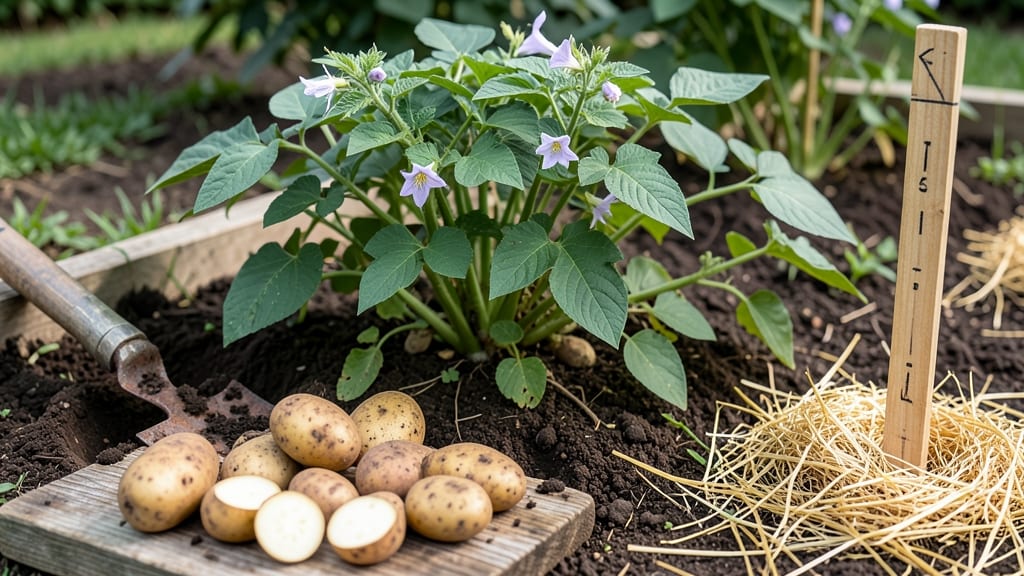
Planting potatoes in Zone 6 at the right time can transform your garden from a gamble to a guaranteed harvest—miss the window, and you might end up with frost-nipped sprouts or stunted tubers instead of the crisp, golden 🥔 you crave.
Most gardeners in Zone 6a-6b aim to plant 4-6 weeks before the last frost (typically between March 15 and April 15), but timing isn’t just about the calendar—it’s about soil temperature and local microclimates that can shift your schedule by weeks.
Whether you’re a first-timer or a seasoned grower, getting this right means fewer headaches and more homegrown potatoes for your table.
In this guide, I’ll break down the exact weeks to plant for your region, share foolproof soil prep tips, and reveal how to adjust for late frosts or early warmth.
You’ll also learn which potato varieties thrive in Zone 6’s short season and how to avoid common mistakes that waste your effort.
Ready to dig in? Let’s turn your potato dreams into a bountiful, frost-free reality—no guesswork required.
Optimal planting weeks before last frost in Zone 6 for maximum yield
In Zone 6, the 2-4 week window before your average last frost date (April 15) is your golden opportunity to plant potatoes for a high-yield harvest. This timing ensures tubers establish roots before soil temperatures consistently reach 45°F (7°C), which is critical for sprouting.
For most of Zone 6, that means planting between March 15 and April 1, but regional differences matter—Northern Zone 6 (6a) may need to wait until late March, while Southern Zone 6 (6b) can start as early as mid-March.
Potatoes thrive when planted in cool but workable soil, ideally between 40–50°F (4–10°C).
If you plant too early, cold soil can stunt growth; too late, and your harvest shrinks due to shorter daylight. Early varieties (70–90 days to maturity) like ‘Yukon Gold’ or ‘Red Pontiac’ give you the most flexibility, while late varieties (100+ days) like ‘Kennebec’ demand perfect timing to avoid frost damage.
Here’s the exact planting schedule based on your Zone 6 subregion and potato variety:
| Zone 6 Subregion | Last Frost Date | Optimal Planting Window | Soil Temp Threshold | Best Varieties |
|---|---|---|---|---|
| Northern Zone 6a (e.g., Buffalo, NY; Grand Rapids, MI) | April 20–25 | March 25–April 5 | 45–50°F (7–10°C) | ‘Early Rose’, ‘Red LaSoda’ (70–80 days) |
| Central Zone 6 (e.g., Chicago, IL; Columbus, OH) | April 10–15 | March 15–March 31 | 40–45°F (4–7°C) | ‘Yukon Gold’, ‘Kennebec’ (90–110 days) |
| Southern Zone 6b (e.g., Nashville, TN; Raleigh, NC) | March 25–April 5 | February 20–March 15 | 45–50°F (7–10°C) | ‘Red Norland’, ‘Adirondack Blue’ (80–100 days) |
For maximum yield, aim to plant 4–6 weeks before your last frost date—this gives tubers enough time to bulk up before summer heat sets in.
In Zone 6, this typically means early April for most areas, but don’t rush: wait until soil is workable (you should be able to dig a 6-inch trench without compacting it). Use a soil thermometer to confirm temps are above 45°F (7°C)—cold soil slows sprouting and increases rot risk.
If you’re growing new potatoes (harvested early), plant your seed potatoes 2–3 weeks earlier than the table suggests. These varieties (like ‘Finnish Yellow’) mature in 60–70 days, so an earlier start lets you harvest before late-spring pests (e.g., potato beetles) become a problem.
For storage potatoes (like ‘Russet’), stick to the later end of the window—you want tubers to fully mature before frost.
Pro tip: Chit your seed potatoes (pre-sprout in a cool, bright spot) 2–3 weeks before planting to jumpstart growth. This ensures your potatoes hit the ground running when soil temps rise.
Place them in a single layer on a tray, stem-side up, in a 50–60°F (10–15°C) environment. Once sprouts are ½-inch long, they’re ready to plant.
Regional microclimates can shift your ideal window by 1–2 weeks. For example, urban areas (like Chicago) may experience later frosts due to the "heat island" effect, while rural zones might see earlier thaws.
Check your local cooperative extension service for precise frost dates—some years, April 15 comes early, and you’ll need to adjust. If frost is forecast within 2 weeks of planting, use row covers or black plastic mulch to protect tender shoots.
One common mistake is planting too deep or too shallow. Bury seed potatoes 4 inches deep—any deeper, and they’ll rot; too shallow, and they’ll scorch. Space rows 3 feet apart to allow for hill-building later in the season, which prevents greening (toxic solanine buildup) and improves yield.
Mulch with straw or grass clippings after sprouts emerge to retain moisture and regulate soil temp.
Finally, remember that soil health is half the battle. Amend your beds with compost or well-rotted manure before planting to provide nitrogen-rich food for rapid tuber formation. Potatoes are heavy feeders, so don’t skip this step—poor soil = small yields.
Test your soil’s pH (aim for 5.0–6.5) and adjust with lime or sulfur if needed.
How to adjust planting time for Zone 6’s unpredictable spring weather
Zone 6’s spring weather can be a gardener’s biggest challenge—one day it’s 50°F, the next it drops back to 32°F overnight. These temperature swings can devastate your potato crop if you’re not prepared.
The key is flexibility: knowing how to protect your plants and warm your soil when Mother Nature throws curveballs.
I’ve learned the hard way that planting potatoes too early without protection often leads to frost-killed sprouts, while waiting too long risks a shorter harvest window.
The solution? A mix of advanced planning, soil prep, and quick-response strategies. Let’s break down how to adapt when Zone 6’s weather plays tricks on you.
⚠️ callout warning
If your last frost date shifts later than expected (common in Zone 6), don’t panic. Hardened seed potatoes can survive 28°F for short periods. For extra protection, use row covers or black plastic mulch to warm soil by 5–10°F. Plant early varieties first—they’ll mature faster if frost lingers.
🌱 Pro Tip: Test soil temperature with a soil thermometer—potatoes thrive when soil hits 45°F+.
One of my favorite tricks is using straw mulch or compost piles to warm the soil early. Spread a 4-inch layer of straw over garden beds 2–3 weeks before planting. This creates a microclimate that warms faster and holds heat better than bare soil.
For even faster results, I’ve had success with black plastic mulch, which can raise soil temps by 10°F+ in just days.
Before planting, I always harden off my seed potatoes for 2–3 weeks. Place them in a cool, dark spot (like a garage) and expose them to gradually increasing light and cooler temps (around 50°F).
This mimics outdoor conditions and prevents shock when they hit the garden. Cut larger potatoes into 1–2 oz pieces, ensuring each has at least one eye—these will sprout faster and establish roots quicker.
How do you know your soil is truly ready? Look for these three key signs: dark brown or black color (indicating organic matter), crumbly texture (not compacted), and 45°F+ temperature.
Press your finger into the soil—if it feels cool but not icy and holds moisture without sticking, it’s time. I also check for earthworms; their presence means the soil is aerated and alive, perfect for potatoes.
For late frosts, I rely on frost blankets or row covers made of lightweight fabric. These let sunlight through while trapping heat. If frost is forecasted, I’ll even use old bedsheets or cardboard in a pinch.
And for early warm spells? Plant shallowly at first (just 3 inches deep) and mound soil around stems as they grow. This gives you flexibility to adjust planting depth as conditions change.
Remember, Zone 6’s unpredictability is why I always plant two batches: one 2 weeks before my expected last frost date (with protection) and another 2 weeks after (using late-maturing varieties). This insurance strategy ensures at least one harvest, no matter what spring throws at me. 🌱