
Plants
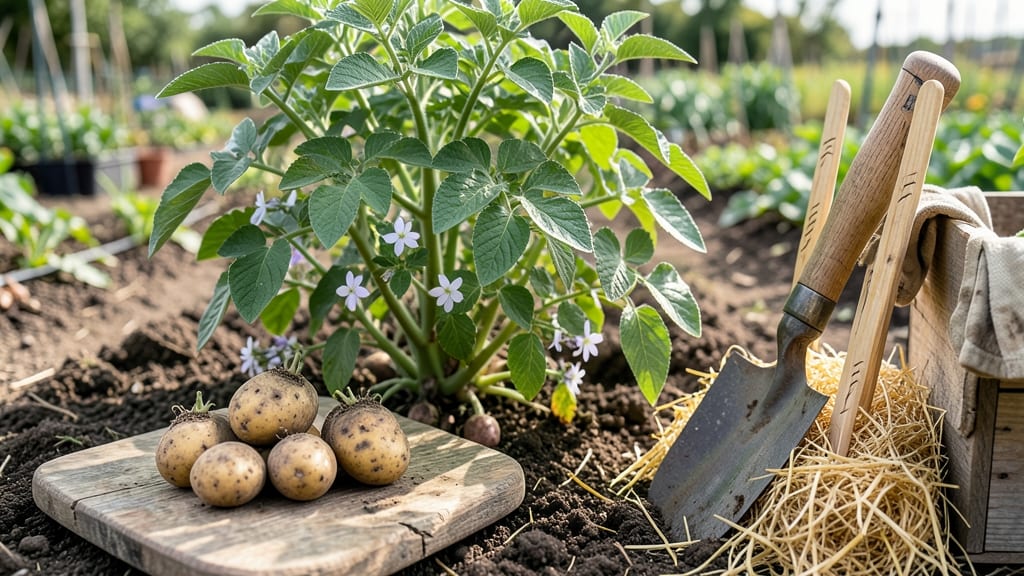
Planting fall potatoes in Virginia isn’t just about throwing seeds in the dirt—it’s about timing them perfectly to avoid frost while maximizing your harvest. With Virginia’s 6a-8a zones bringing early freezes, getting these 🥔 in the ground too late means watching your crop turn to mush.
The secret? Start planting between late July and early September, when soil stays warm enough for roots to establish before winter sets in.
Most gardeners skip this step and end up with half-baked spuds—or worse, a total loss. But here’s the good news: with the right schedule, you can enjoy a bumper crop of potatoes ready for harvest just as the weather cools.
I’ll walk you through the exact months to plant based on your region, plus how to stretch your growing season for those zero-frost harvests everyone dreams of.
Whether you’re a seasoned gardener or just starting, this guide cuts through the guesswork. We’ll cover soil prep, variety choices, and even how to cheat the clock with row covers if frost sneaks up early.
By the end, you’ll know exactly when to plant for a fall potato haul that’ll make your neighbors jealous.
Ready to dig in? Let’s turn your Virginia garden into a potato powerhouse—without the frost-related heartbreak.
Best planting months for fall potatoes in Virginia (by region)
Virginia’s diverse climate—from the humid Coastal Plain to the cool Appalachian Mountains—means your fall potato planting timeline should match your USDA hardiness zone. Plant too early, and frost zaps your tubers; too late, and they won’t mature before winter.
Here’s the exact schedule for each region to ensure a zero-frost harvest.
Fall potatoes thrive in 90–120 days, so your planting window depends on when your first frost arrives. In Zone 6a (Coastal), expect frost by mid-October, while Zone 7a (Piedmont) holds off until late October.
Mountain regions (Zone 6b–7b) may see frost as early as early October, so adjust accordingly.
For maximum yield, aim to plant 4–6 weeks before your average first frost date. This gives tubers time to bulk up before cold sets in. Use seed potatoes certified for your zone—Yukon Gold or Kennebec work well across Virginia.
Here’s how to align your planting with Virginia’s three key regions and their frost-free windows:
In the Coastal Plain, start planting by late July to harvest before frost hits in mid-October. This region’s longer growing season allows for a second planting in early August if you’re ambitious. Use row covers to extend harvests by 2–3 weeks if needed.
For Piedmont gardeners, focus on early August planting. The warmer soils here speed up growth, but frost arrives later, giving you a flexible harvest window through late October. Yukon Gold and Kennebec thrive here with minimal blight risk.
Mountain regions demand precision: plant by mid-August to avoid early frosts. Soils stay cooler, so opt for faster-maturing varieties like Red Pontiac (90 days). Mulch heavily to insulate tubers and prevent soil heaving from freeze-thaw cycles.
Pro tip: Check your local frost dates via the Virginia Cooperative Extension or Almanac’s Frost Calculator. Adjust your planting by 1–2 weeks if your area runs warmer or colder than average. For example, Norfolk’s frost date may differ by 10 days from Roanoke’s.
After planting, hill soil around stems every 2–3 weeks to encourage tuber formation. Reduce watering as harvest nears to toughen skins and prevent scab disease. With the right timing, you’ll pull firm, flavorful potatoes before winter sets in.
Remember: Fall potatoes store better than spring-planted ones, making them perfect for holiday meals. Plan now, and you’ll enjoy homegrown spuds long after summer’s last tomato! 🥔
How to calculate your fall potato harvest window (avoiding frost)
Virginia’s unpredictable fall weather makes frost timing the biggest challenge for fall potato growers. If you plant too early, your tubers will sprout but not mature before frost hits. Too late, and you won’t get a full harvest before winter sets in.
The key? Calculating your local first-frost date and working backward from there—using your potato variety’s days to maturity as your guide.
Most fall potato varieties need 90–120 days to reach harvest, so timing starts with knowing when your first frost typically arrives. For Virginia’s USDA zones 6a–8a, this ranges from mid-October in the mountains to late October in the Piedmont.
But don’t rely on averages—check your local frost date using the Virginia Cooperative Extension’s frost maps or the National Weather Service for your specific county.
Find Your First-Frost Date
- Check your USDA zone (6a–8a in Virginia) and consult the Virginia Cooperative Extension frost calendar.
- Note your average first-frost date (e.g., October 15 for Zone 6a, October 30 for Zone 7a).
- Adjust for early or late years—add 1–2 weeks if your area tends to freeze early.
Once you’ve got your frost date, subtract the days to maturity for your chosen variety. For example, if your first frost is October 15 and you’re growing ‘Yukon Gold’ (100 days), plant by mid-July to harvest before frost.
For slower varieties like ‘Kennebec’ (120 days), start by late June to ensure maturity. This backward calculation ensures your potatoes finish growing before frost hits.
For extra insurance, plant a second, shorter-season variety (like ‘Red Norland’ (80 days)) 2–3 weeks after your first planting. This staggered approach spreads out your harvest and reduces the risk of losing everything to frost.
I’ve used this method for years in my Zone 7a garden, and it’s saved my harvest more times than I can count.
If frost sneaks in earlier than expected, don’t panic—you can still salvage your crop. Use row covers or cold frames to extend the season by 2–4 weeks. These simple tools trap heat and protect your plants from light frosts (28–32°F).
For heavier frosts, harvest what you can and store the tubers in a cool, dark place (like a root cellar) to enjoy them later. I’ve kept potatoes fresh through December this way!
Pro tip: Mark your planting and frost dates on a garden calendar or use a frost alert app to stay ahead of the game. Virginia’s weather can shift overnight, so staying proactive is your best defense.
With this method, you’ll know exactly when to plant for a zero-frost harvest every time—no guesswork, just golden potatoes ready to dig.