
Companion Plants
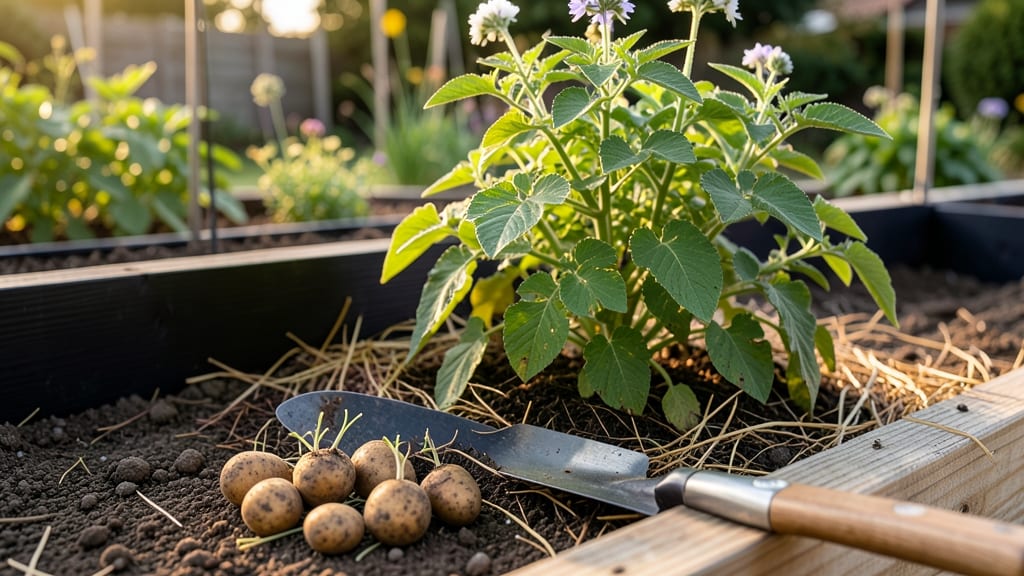
Planting potatoes in Georgia isn’t just about grabbing a bag of seed potatoes and sticking them in the dirt—timing them wrong could mean watching your crop wither from blight or rot in the humid heat.
The key to a bountiful harvest lies in understanding soil temperature, microclimates, and when frost finally says goodbye for good.
If you’ve ever wondered why some gardeners swear by February plantings while others wait until April, it’s not just about the calendar—it’s about the 45-55°F soil window that gives your 🥔 the best start.
Georgia’s varied zones (from the Piedmont’s rolling hills to the Coastal Plain’s warmth) shift those windows by weeks, and ignoring them means risking stunted growth or worse.
I’ve spent years testing planting schedules across Georgia’s 7b-8b zones, and the difference between a 50-pound harvest and a handful of shrivelled tubers comes down to two things: patience and preparation.
Early varieties can go in as soon as February, but late ones? Wait until the soil’s ready—or face the consequences.
Ready to avoid the most common Georgia mistakes? I’ll walk you through the exact soil temp rules, the best varieties for your microclimate, and how to outsmart humidity before it outsmarts you. Let’s get those potatoes in the ground the right way.
Georgia potato planting timeline by soil temperature (not calendar date)
Georgia’s diverse climate—from the cool mountain valleys to the humid coastal plains—means your potato planting window can shift by 4-6 weeks depending on where you garden. Unlike calendar dates, soil temperature is the real game-changer for potatoes, which thrive when the ground hits 45-55°F.
Plant too early in cold soil, and you risk rot and stunted growth; wait too long, and you might miss the 90-day harvest window before summer heat sets in.
For most of Georgia (USDA zones 7b-8b), the ideal planting window aligns with soil temps between 45-55°F, not a fixed calendar date.
In the North Georgia mountains, this could mean planting as early as mid-February, while in the coastal plains, you might not hit that sweet spot until late March or early April. The key?
A soil thermometer and patience—because rushing can turn your dream harvest into a disease-ridden disaster.
Here’s the science: Potatoes need consistent warmth to sprout, but they’ll rot if planted in cold, soggy soil. The 45°F threshold signals that the ground is warm enough for roots to establish without stress, while 55°F is the upper limit before heat stress kicks in.
Georgia’s microclimates throw a wrench into traditional planting charts, so let’s break it down by region and soil temp.
| Georgia Region | Soil Temp Range | Best Planting Window | Key Risks | Pro Tip |
|---|---|---|---|---|
| North Georgia Mountains (USDA 7b) | 45-50°F | Mid-February to early March | Late frost, slow warming | Use black plastic mulch to warm soil faster. |
| Piedmont (USDA 7b-8a) | 48-52°F | Late February to mid-March | Humidity + early blight | Plant resistant varieties like 'Yukon Gold'. |
| Coastal Plains (USDA 8a-8b) | 50-55°F | Late March to early April | Heat stress, wireworms | Avoid planting after April 15. |
| All Regions (Late Planting) | 55°F+ | May (for short-season varieties only) | Blight, poor yield | Choose 'Red LaSoda' (60-day variety). |
If you’re still unsure whether your soil is ready, grab a soil thermometer and check the temperature at a 6-inch depth (where potato roots will grow). Morning is the best time to test—soil temps fluctuate wildly between day and night.
Pro tip: If your soil is below 45°F, wait it out. Cold soil slows sprouting and invites fungal diseases like early blight, which thrives in Georgia’s damp springs.
For early varieties (like 'Early Red Skin'), aim to plant when soil hits 45°F and expect a harvest by late May. Mid-season varieties (e.g., 'Kennebec') can wait until 50°F and will be ready by July.
But here’s the catch: If you plant after April 15, you’re rolling the dice with Georgia’s summer humidity, which accelerates blight. Late plantings should only be short-season types with 60-70 day maturity.
Don’t forget about frost risk—even in Georgia! A late frost can wipe out young potato plants, so monitor the National Weather Service for freeze warnings. If frost is forecasted after planting, cover seedlings with row covers or straw mulch to protect them.
In the mountains, frost can linger until April 15, while the coastal plains usually see their last frost by mid-March.
Once your soil hits the sweet spot of 45-55°F, plant your seed potatoes 4 inches deep and 12 inches apart. Use a soil thermometer to confirm temps before digging—this isn’t guesswork. After planting, add 2-3 inches of straw mulch to insulate the soil and keep moisture levels steady.
This is especially critical in Georgia’s clay-heavy soils, which can stay too cold or dry out too quickly.
Here’s your soil temp checklist for risk-free planting: ☑️ Test soil at 6-inch depth (where roots grow) ☑️ Aim for 45-55°F range ☑️ Avoid planting if soil is below 45°F or above 55°F
Best potato varieties for Georgia’s climate & how to choose
Georgia’s humid summers and long growing season demand potato varieties that thrive in heat and resist blight. The wrong choice can mean wilted plants or shriveled tubers, but the right variety—like Yukon Gold or Red LaSoda—can yield bumper crops.
Let’s break down the top 5 Georgia-adapted varieties ranked by disease resistance, yield potential, and maturity timing.
First, prioritize humidity tolerance. Georgia’s sticky air fuels early blight and late blight, so varieties with thick skins or natural resistance (like Kennebec) outperform others. Next, match your planting depth to the variety—some need shallow beds, while others thrive buried deeper to escape heat stress.
Let’s dive into the specifics to avoid common pitfalls.
Yukon Gold tops the list for its buttery texture and blight resistance, making it ideal for Georgia’s heat. Plant these yellow-skinned tubers 4 inches deep in well-draining soil to prevent rot. They mature in 90 days, perfect for early summer harvests before humidity peaks. For red potatoes, Red LaSoda is a standout—its thick skin resists cracking in clay-heavy Georgia soils.
If you’re short on time, Sweetheart potatoes mature in just 60 days, giving you new potatoes by May. Their small size makes them ideal for containers or tight spaces, but they’re less productive in extreme heat.
For storage, Adirondack Red keeps well for months, while Kennebec delivers the highest bushel yields but needs consistent moisture to avoid scab.
Pro tip: Adjust planting depth by variety. Sweetheart and Red LaSoda thrive at 3–4 inches deep, while Kennebec and Yukon Gold benefit from 5–6 inches to protect tubers from heat stress. Mulch with straw to retain moisture and deter pests—Georgia’s wireworms love tender potato sprouts.
For humidity-prone zones (like Coastal Georgia), rotate crops annually to break disease cycles. Avoid planting potatoes in the same spot two years in a row, and choose varieties with natural blight resistance like Kennebec or Yukon Gold.
With the right pick, you’ll harvest fluffy, disease-free potatoes even in Georgia’s toughest summers.