
Planting
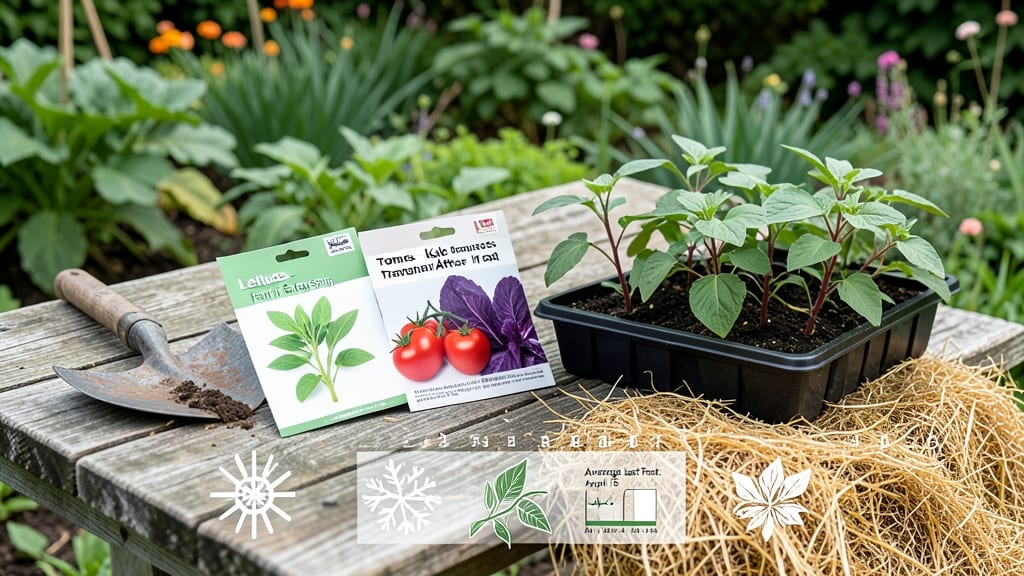
When to plant a garden in Washington, DC, could mean the difference between a thriving 🌱 harvest and a frost-killed disappointment. With the city's unique microclimates—from the heat islands of Capitol Hill to the cooler pockets of Southeast—planting windows can shift by weeks, even within the same neighborhood.
You might think the last frost date in mid-April is your only guide, but DC's urban heat can push spring planting back by 1-2 weeks in some areas. Meanwhile, fall crops need to go in by late August to mature before the first frost hits in November.
Getting these details right means avoiding common mistakes that waste time and resources.
In this guide, I’ll break down the exact months to plant in DC’s 7a-8a zone, including adjustments for your specific microclimate.
Whether you’re growing tomatoes in a backyard or herbs on a high-rise balcony, you’ll learn how to align your schedule with DC’s unpredictable weather patterns for the best results.
By the end, you’ll know not just when to plant, but how to protect your garden from DC’s late frosts and early heatwaves. Let’s get your General Garden off to the right start—no guesswork required.
Washington DC planting zones & microclimate adjustments by month
Washington DC spans USDA Zones 7a and 7b, but its planting windows vary dramatically between neighborhoods due to urban heat islands and microclimates.
The average last frost date hovers around mid-April, but urban areas like Capitol Hill can warm 2-3 weeks earlier than rural Prince George’s County. These differences mean your tomato seedlings might thrive in NW DC while SE DC gardens still face frost risks.
To navigate these shifts, I’ve mapped planting windows by microclimate type—urban, suburban, and rural—while accounting for heat pockets near buildings and cooler pockets along the Potomac. For example, Alexandria’s Zone 7b edges can support warm-season crops like peppers 2 weeks earlier than Ward 8.
The key? Adjusting your schedule by 1-3 weeks based on your exact location.
Below, I’ve broken down spring and fall planting windows by crop type, with neighborhood-specific adjustments for vegetables, flowers, and herbs. Urban gardeners should also note that container gardening can extend seasons by 1-2 weeks due to faster soil warming.
🌱
| Microclimate | Crop Type | Urban (e.g., Capitol Hill) | Suburban (e.g., Arlington) | Rural (e.g., PG County) |
|---|---|---|---|---|
| Spring Planting | Cool-Season Veggies (lettuce, spinach, peas) | Late March (under frost cloth) | Mid March | Early March |
| Warm-Season Veggies (tomatoes, peppers, beans) | Late April (after last frost) | Early April | Mid March (greenhouse) | |
| Flowers & Herbs (marigolds, basil, parsley) | Early April (hardy types) | Late March | Mid March | |
| Fall Planting | Cool-Season Veggies (kale, broccoli, carrots) | Mid August (6-8 weeks before frost) | Late July | Early July |
| Warm-Season Extenders (peppers, eggplant) | Early July (with row covers) | Mid June (greenhouse) | Late May (greenhouse) | |
| Perennials & Bulbs (lavender, tulips) | Early September | Mid September | Late August |
For urban gardeners, the heat island effect can push warm-season crops like cucumbers into the ground 2 weeks earlier than rural areas. I recommend starting pepper seedlings indoors by early March in Ward 1 but wait until mid-March in Ward 7.
Always monitor National Capital Weather Service alerts for late frost warnings, which can hit SE DC as late as May 10.
In suburban areas, like Arlington or Bethesda, the transition between Zone 7a and 7b creates a buffer.
Here, herbs like dill can be sown 2 weeks earlier than in urban cores, while delicate flowers like pansies should wait until after April 15 to avoid black spot disease from lingering moisture.
Rural Prince George’s County and Fairfax County offer longer frost-free seasons, allowing fall planting to extend into early October for hardy greens. I’ve successfully grown garlic from fall-planted cloves in Zone 7a here, harvesting in June.
For herbs like cilantro, rural gardeners can sow throughout September, while urban gardeners should stop by mid-August.
Pro tip: Use row covers or cold frames to extend spring planting in urban areas by 3-4 weeks. I’ve added floating row covers over broccoli seedlings in April to protect them from late frosts while still allowing sunlight.
For fall crops, prioritize fast-maturing varieties like ‘Early Girl’ tomatoes or ‘Quick Start’ kale to beat the first frost.
🌿
Don’t overlook microclimate traps in your garden. North-facing walls in urban lots can create frost pockets, while south-facing patios may bake container plants. I’ve seen basil bolt in Ward 3 by late June due to intense heat, while the
Best months to plant in DC: a microclimate-specific calendar
Washington DC’s diverse microclimates create unique planting opportunities. Urban areas like Capitol Hill and Alexandria often experience heat islands that delay frost, while rural spots in Prince George’s County stay cooler longer. Understanding these differences helps you time plantings perfectly—whether you’re growing cool-season greens or heat-loving tomatoes.
Your last frost date isn’t just mid-April—it varies by neighborhood. Northwest DC might be frost-free by early April, while southeast DC could see late frosts until May.
Similarly, fall planting windows shift: urban gardens can push into early October, while suburban areas should start by late August. Here’s your microclimate-tailored planting calendar:
- February: Start cool-season crops indoors (e.g., lettuce, spinach). Urban balconies can try hardy herbs like parsley or cilantro under frost cloth.
- March: Direct-sow peas and radishes in suburban/rural areas (soil warms faster). City gardens wait until late March for cold-hardy veggies like kale.
- April: Transplant seedlings after last frost (NW DC: early April; SE DC: mid-April). Heat-loving plants (e.g., peppers, basil) go in late April only in urban heat pockets.
- May: Direct-sow beans and cucumbers in suburban areas. City gardens delay until early June to avoid late frost damage.
- June–July: Succession plant fast-growing crops (e.g., bush beans, zucchini) every 2 weeks. Shade-tolerant greens (e.g., arugula) thrive in urban shade gardens.
- August: Start fall crops 6–8 weeks before first frost (late August for suburban areas, early September for urban heat islands). Broccoli and carrots are top choices.
- September: Direct-sow garlic and onions for spring harvest. Extend seasons with row covers or cold frames in rural areas.
For urban gardeners, soil warming tricks like black plastic mulch or raised beds can push spring planting 2–3 weeks earlier. Meanwhile, rural areas benefit from frost protection like cloche tunnels to extend fall harvests into November. Always check local forecasts—DC’s unpredictable weather can shift windows by weeks!
Pro tip: Use microclimate maps from the National Capital Region to pinpoint your frost risk. For example, Anacostia often stays cooler longer than Georgetown, so adjust your planting dates accordingly. Test soil temps with a thermometer—45°F+ is ideal for direct-sowing seeds.
Remember, fall planting is just as critical as spring. By late August, cool-season crops like spinach and peas can thrive in urban gardens if protected. Rural gardens might even squeeze in a second round of greens by September 15th.
Plan ahead to avoid frost traps—low-lying areas (like near the Potomac) freeze faster than elevated spots.