
Planting
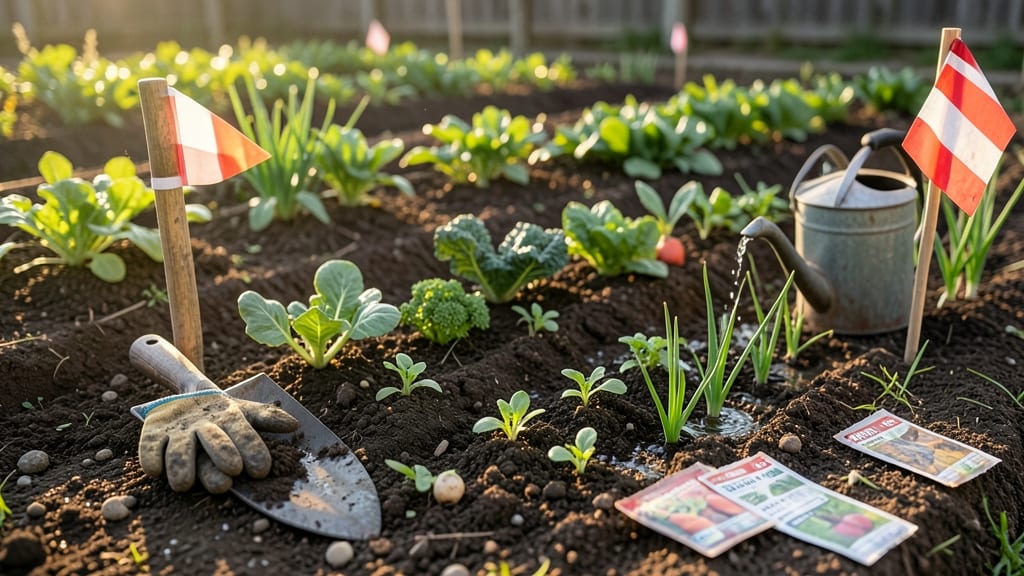
Planting your fall garden in South Texas at the wrong time means watching your seeds turn to crispy confetti under the relentless summer sun—or worse, bolting before you even taste your harvest.
The key to success lies in that narrow window between August and October, where the heat finally backs off but frost still lurks months away.
I’ve learned the hard way that rushing into the garden too early—like in July—can leave your 🍅🥕🥬 seedlings struggling to break through the heat, while waiting too long risks a shorter harvest before the first frost.
In Heat Zone 9B, timing isn’t just about dates; it’s about reading the soil, the sky, and even the local weather patterns that can shift faster than a South Texas summer storm.
What if I told you there’s a way to stretch your harvest well into December? The secret isn’t just picking the right crops—it’s knowing exactly when to plant them for fast germination and maximum yield.
Whether you’re a seasoned gardener or just starting, these insights will help you avoid the most common mistakes and turn your fall garden into a productive powerhouse.
Let’s dive into the exact planting schedule, soil prep tips, and microclimate tricks that’ll keep your garden thriving—even when the neighbors are already dreaming of winter.
Optimal planting dates for South Texas fall vegetables by heat zone 9B
In Heat Zone 9B, where summer temperatures can still hover around 95°F in early August, timing your fall garden correctly means the difference between thriving crops and wasted seeds.
The key is planting when soil temperatures drop below 85°F—typically after mid-August—but before early October, when days shorten and frost risk increases. For South Texas, this narrow window allows you to grow cool-season vegetables like kale, carrots, and broccoli without heat stress or premature bolting.
Your last frost date in South Texas usually falls around January 15, but first frost can sneak in as early as December 1 in colder years.
To maximize your harvest, start planting 6-8 weeks before your expected frost date, which for most of South Texas means late August to early September for fast-maturing crops like spinach and radishes.
For slower growers like cabbage or brussels sprouts, begin sowing in mid-August to ensure they mature before winter sets in.
| Crop Type | Optimal Planting Window | Days to Maturity | Soil Temp for Germination | Notes |
|---|---|---|---|---|
| Leafy Greens (Lettuce, Spinach, Kale) | Late August - Early September | 30-50 days | 60-75°F | Bolt-resistant varieties; use shade cloth if temps stay above 85°F. |
| Brassicas (Broccoli, Cabbage, Brussels Sprouts) | Mid-August - Late August | 60-90 days | 50-65°F | Start seeds indoors or use transplants; mulch heavily to retain moisture. |
| Root Vegetables (Carrots, Beets, Radishes) | Early September - Mid-September | 40-70 days | 60-70°F | Loosen soil to prevent forking; radishes mature fastest for late fall harvests. |
| Alliums (Onions, Garlic, Leeks) | Late August - Early October | 90-120 days | 55-65°F | Plant sets or transplants; onions can overwinter in South Texas. |
| Peas & Beans (Green Beans, Snap Peas) | Early September - Mid-September | 50-60 days | 60-70°F | Use trellises to save space; peas thrive in cooler temps. |
For early-season planting in late July or August, focus on heat-tolerant varieties like Malabar spinach or Swiss chard, which can handle residual summer heat better than traditional cool-season crops. These varieties give you a head start and can produce harvests before your primary fall crops mature.
However, avoid planting heat-sensitive greens like lettuce or radishes until soil temperatures drop below 80°F, or they’ll bolt or rot.
If you’re aiming for a late-season harvest, extend your growing window by planting fast-maturing crops like bok choy, turnips, or arugula in October. These can tolerate light frosts and may even sweeten after a light freeze.
For slower growers, use row covers or low tunnels to protect plants from unexpected cold snaps. In South Texas, where winters are mild, you can often overwinter crops like kale or collards and harvest well into January or even February.
One of my biggest fall gardening tips for South Texas is to test your soil temperature before planting. Use a soil thermometer to ensure it’s below 85°F—ideal germination temperatures for most cool-season crops range from 60-75°F.
If your soil is still too hot, delay planting or use shade cloth to cool it down. This small step can double your germination rates and give your plants the best possible start.
Don’t forget to prep your soil properly before planting. South Texas soils can be clay-heavy and compacted, which slows root growth. Amend your beds with compost or aged manure to improve drainage and fertility.
For root vegetables like carrots or beets, loosen the soil to 12 inches deep to prevent forking. A light mulch of straw or grass clippings will also help retain moisture and regulate soil temperature as fall progresses.
How to adjust planting timing for fast germination in South Texas heat
South Texas summers don’t quit easily—even when fall approaches, residual heat lingers, making seed germination a challenge. The key to beating the heat lies in strategic adjustments: planting at the right time, prepping soil correctly, and using heat-mitigation tactics that work with your local microclimate.
In Heat Zone 9B, where temperatures can still hover in the 90s°F by late August, seeds often struggle to break through hard, dry soil. But with the right techniques, you can speed up germination by 30-50%, ensuring your fall garden thrives before winter sets in.
Let’s dive into actionable steps tailored for South Texas conditions.
- 🌱 Pre-sprout seeds indoors 7-10 days before outdoor planting to bypass soil heat barriers. Use damp paper towels or a seed-starting mat set to 75-80°F.
- 💧 Water deeply at dusk to keep soil consistently moist without evaporation. Aim for 1-2 inches of water weekly, adjusting for rain.
- 🪴 Amend soil with compost and a mulch layer (2-3 inches) of straw or shredded leaves to insulate roots and retain moisture.
- ☀️ Avoid midday planting—opt for early morning or late afternoon to reduce heat stress on seeds and seedlings.
- ✂️ Thin seedlings carefully once they sprout to prevent overcrowding, which competes for moisture and nutrients in hot soil.
One of the biggest mistakes in South Texas is planting too early, only to watch seeds rot in the heat or struggle to emerge.
Instead, aim to sow heat-tolerant varieties like collard greens, Swiss chard, or bush beans in early August, followed by cooler-loving crops (e.g., lettuce, kale, or carrots) in mid-to-late September.
For fastest germination, focus on soil temperature—ideal ranges are 60-75°F for most cool-season crops. Use a soil thermometer to monitor; if temps exceed 85°F, delay planting or use shade cloth to protect seedlings.
Pair this with drip irrigation to deliver water directly to roots without wetting foliage, which can invite fungal diseases in the humid South Texas air.
Don’t overlook the power of microclimates in your area. North-facing beds stay cooler than south-facing ones, making them ideal for early fall plantings.
If your yard has shady spots under trees, prioritize those for heat-sensitive crops like spinach or radishes, while full-sun areas are better suited for tomatoes or peppers planted in late summer.
With these adjustments, you’ll transform South Texas’s lingering summer heat into an advantage—giving your seeds the best possible start for a bountiful fall harvest. The secret? Timing, patience, and a little extra care to keep moisture and temps in check. 🌿