
Planting
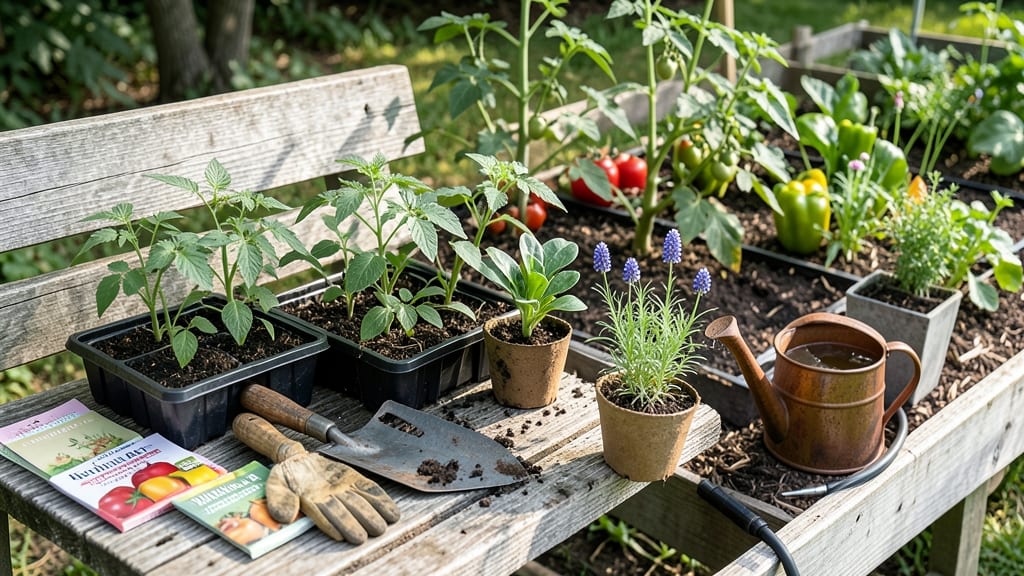
Timing your garden right in Central Texas means beating the heat before it beats your plants—because planting too early risks frost, and too late means wilting under 100°F+ sun.
The key? A narrow window between the last frost (February 15) and the summer scorcher that turns seedlings into crispy snacks.
I’ve learned the hard way that General Garden Plants 🌱 thrive when you align their growth with Central Texas’s unpredictable swings—cool springs, brutal summers, and mild falls.
Whether you’re growing veggies or flowers, the 8a-9a zone demands precision: miss the mark, and your harvest could vanish faster than a Texas summer rainstorm.
Here’s what you need to know: spring planting starts in late February, but warm-season crops like tomatoes and peppers must go in by early April—before the heat locks them out. Fall offers a second chance, with August-September being your best bet for cool-season greens and root veggies.
I’ll break down the exact deadlines, heat-resistant varieties, and soil tricks to keep your garden lush—no guesswork, just proven strategies for zero-frost success. Let’s get those seeds in the ground the right way.
Central Texas planting zones: last frost dates by county and heat zone risks
Understanding Central Texas's unique climate is the first step to a successful garden. With USDA hardiness zones 8a-9a and heat zones 9a-10a, your planting timeline must balance late winter freezes with summer heatwaves.
The last frost typically arrives between February 15 and March 15, but exact dates vary by county. Missing these windows can mean lost seedlings or stunted growth.
For example, Austin's last frost usually occurs around February 28, while San Antonio sees its final freeze closer to March 15. Meanwhile, Waco can experience late frosts as late as March 10.
These variations mean you must check local forecasts or use historical frost maps from your county extension office to avoid surprises.
Heat zones add another layer of complexity. Central Texas falls primarily in heat zones 9a-10a, where summer temperatures can exceed 100°F for weeks.
This means warm-season crops like tomatoes and peppers must be planted 6-8 weeks before the first 90°F+ stretch, typically by late April to early May.
Cool-season crops like lettuce and broccoli, however, need to be in the ground 4-6 weeks before the last frost to mature before summer heat sets in.
Here's how to use this information to your advantage: Cool-season crops thrive in Central Texas's mild winters, while warm-season crops must be timed to avoid wilting under summer's intensity.
The key is planting early spring crops right after the last frost and fall crops 6-8 weeks before the first frost in December.
Let's break down the critical deadlines by county and heat zone to help you plan your garden with precision.
⚠️ CRITICAL: Missing these deadlines can result in frost damage or heat stress, both of which can devastate your garden. Use this comparison table to align your planting schedule with your specific location.
🌱 comparison-table
| County | Last Frost Date | First Frost Date | Heat Zone | Cool-Season Planting Window | Warm-Season Planting Window |
|---|---|---|---|---|---|
| Austin | Feb 28 | Dec 1 | 9a-10a | Mar 15 - Apr 15 | Apr 15 - May 15 |
| San Antonio | Mar 15 | Nov 25 | 9a-10a | Mar 22 - Apr 22 | Apr 22 - May 22 |
| Waco | Mar 10 | Nov 15 | 8b-9a | Mar 20 - Apr 10 | Apr 10 - May 10 |
| Dallas | Mar 5 | Nov 5 | 8a-8b | Mar 15 - Apr 5 | Apr 5 - May 5 |
| Killeen-Temple | Mar 1 | Nov 10 | 8a-8b | Feb 28 - Mar 20 | Mar 20 - Apr 10 |
Now that you have the critical deadlines for your county, let's focus on how to use this data effectively. For cool-season crops like lettuce, spinach, and peas, plant them 4-6 weeks before your last frost date. This gives them enough time to mature before summer heat arrives.
For warm-season crops such as tomatoes, peppers, and okra, wait until 2 weeks after your last frost and ensure they're planted by May 15 at the latest to avoid heat stress.
Heat zones also influence your watering schedule. In zone 10a, where temperatures can exceed 105°F, you'll need to water deeply every 2 days to prevent root stress. Meanwhile, in zone 8b, you can space watering to every 3-4 days
Best month-by-month planting schedule for Central Texas gardens
Central Texas gardeners know the drill: beat the heat or watch your plants wilt. The key is planting cool-season crops early and heat-loving varieties before June’s scorching temperatures. With 210-240 frost-free days, timing is everything—miss the window, and you’ll be fighting drought or frost instead of harvesting.
I’ve broken down the ideal planting months for vegetables, herbs, and flowers, focusing on that 4-week window before summer peaks (late May). This schedule ensures seedlings survive and thrive, not just survive.
For spring planting, focus on cool-season crops like lettuce and peas in February-March. These thrive in Central Texas’s mild winters but bolt in summer heat. By April, shift to tomatoes, peppers, and basil, but get them in the ground before Memorial Day to avoid wilting.
Summer planting is tricky—only heat-loving plants like okra and sweet potatoes survive June’s 100°F+ days. I recommend direct sowing seeds in May and using shade cloth to protect young seedlings. Water deeply in the early morning to prevent stress.
Fall is your second chance! Start cool-season crops in August for a harvest before the first frost (December 1). Basil and marigolds can even overwinter with protection. Mulch heavily to insulate roots and retain moisture during unpredictable freezes.
Pro tip: Use drip irrigation to save water and keep soil consistently moist. Central Texas’s alkaline soil needs compost or sulfur to lower pH—test yours before planting! With this schedule, you’ll avoid the summer slump and enjoy a garden that thrives year-round. 🌱