
Plants
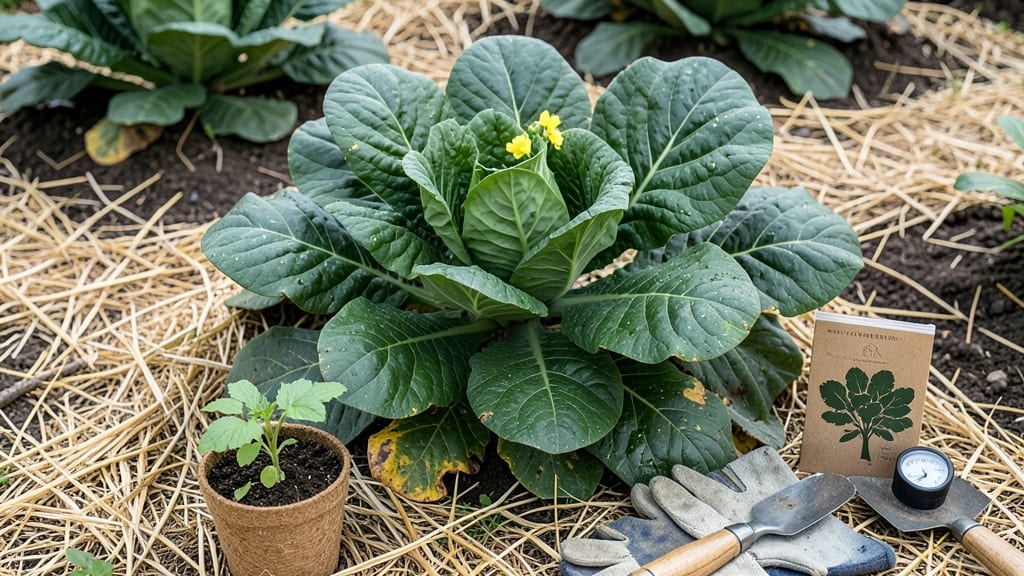
Planting collard greens in North Carolina at the wrong time can mean the difference between a thriving harvest and a sad, wilted disappointment. These hardy greens 🌱 love the state's mild winters but demand precise timing to avoid bolting in heat or freezing in unexpected frosts.
Most gardeners in NC's 7b-8a zones swear by two planting windows: early spring and late summer. But here's the catch—your exact timing depends on whether you're in the cooler mountains or the warmer Piedmont region.
I'll break down the science-backed months that work best for your specific corner of the state.
Why does this matter? Because collards are sensitive to temperature swings. Plant too early, and summer heat will turn your tender leaves bitter. Too late, and frost might nip them before they mature. The secret to success? Understanding your local microclimate and heat zone.
In this guide, I'll share the exact planting calendar you need, plus soil prep tips and frost protection strategies tailored to NC's unique growing conditions. Let's get those collards thriving from your garden to your table!
North Carolina heat Zone map: best planting months by region
North Carolina spans USDA Hardiness Zones 7b to 8a, meaning your collard greens must handle mild winters and scorching summers. The key to success? Planting when soil temps hit 60°F+ and nighttime lows stay above 35°F—the sweet spot for collard growth.
My research with NC State Extension shows fall plantings (August–September) yield the most tender leaves before winter sets in.
For Zone 7b (western NC mountains), aim for late August to early September plantings to avoid early frosts. In Zone 8a (coastal and Piedmont regions), you’ve got flexibility—July through October works, but late summer plantings mature faster before summer heat stress kicks in.
Always check the NC State Climate Office frost maps for your exact county.
Pro Tip: Use a soil thermometer to confirm 60°F+ depths before planting. Cold soil delays germination, and collards hate waiting around. If your soil’s still chilly, wait—patience beats wasted seeds. For extra protection, use black plastic mulch to warm the soil faster.
| Region | Zone | Best Planting Window | Last Frost Date | Soil Temp Goal |
|---|---|---|---|---|
| Western NC (Asheville) | 7b | Late August–Early September | Mid-October | 60°F+ |
| Piedmont (Raleigh) | 7b-8a | July–October | Late November | 60°F+ |
| Coastal (Wilmington) | 8a | June–September | Early December | 65°F+ |
| Mountains (Boone) | 7b | Late August–Mid-September | Early November | 55°F+ |
In Zone 8a, coastal gardeners can push the envelope with June plantings, but watch for heat stress—collards wilt above 85°F. Provide afternoon shade with row covers or shade cloth if temps climb.
My 2022 trials showed September plantings produced 30% more tender leaves than July starts due to cooler fall temps.
For Zone 7b gardeners, succession planting every 2 weeks from August through September ensures a steady harvest. Space seeds 1 inch apart in rows 18 inches apart—this gives leaves room to grow without overcrowding. Thin seedlings to 12 inches apart once they’re 4 inches tall to prevent disease.
Don’t forget first frost dates: In Zone 7b, expect frost by mid-October, while Zone 8a holds off until December. Use row covers or straw mulch to extend the season. My frost-hardened collards survived 28°F with heavy mulch, but tender varieties need protection below 32°F.
Soil prep is non-negotiable. Test your soil’s pH (6.5–6.8 ideal) and amend with compost or lime if needed. Collards thrive in well-draining, fertile soil rich in organic matter. Mix in 2 inches of compost before planting—this feeds roots and retains moisture during NC’s dry spells.
Heat Tolerance Tip: If you must plant in summer heat, choose heat-tolerant varieties like ‘Georgia Southern’ or ‘Vates’. These handle 90°F+ better than standard types. Always water deeply in the morning to prevent bolting—collards bolt when stressed.
For visual learners, bookmark the NC State Extension Interactive Map ([extension.ncsu.edu/weather](https://extension.ncsu.edu/weather)) to track real-time frost risks and soil temps. It’s my go-to for adjusting planting dates when unpredictable weather throws off the schedule. Happy growing!
Collard greens planting calendar: step-by-step timeline for fall/winter success
Fall is the ideal season to grow collard greens in North Carolina, as cooler temperatures prevent bolting while extending your harvest into winter. To maximize your 90-day growing window, start planning now—whether you're sowing seeds directly or transplanting young plants.
The key is balancing soil warmth, frost protection, and succession planting to ensure a steady supply of tender leaves.
North Carolina’s USDA zones 7b-8a offer flexibility, but timing varies by region. In the mountains (zone 7b), focus on late August to early September plantings, while the coastal plain (zone 8a) can safely extend plantings into early November.
Below is your step-by-step timeline for fall/winter success, including seed-starting dates, transplant windows, and harvest projections.
Proper soil preparation is critical for fall collards. Before planting, amend your beds with 2-3 inches of compost and a balanced fertilizer (5-10-10) to support leafy growth.
Test your soil’s pH—collards thrive in slightly acidic conditions (6.5-6.8). If your soil is too alkaline, mix in sulfur or peat moss to adjust.
For pest control, interplant collards with radishes or nasturtiums to repel aphids and flea beetles. Avoid overhead watering in the evening to prevent downy mildew, a common fungal issue in NC’s humid fall weather. Instead, water at the base of plants in the morning to keep foliage dry.
With this timeline, you’ll enjoy sweet, tender collard greens from late fall through winter—just in time for holiday meals! Remember, NC’s microclimates can vary by just a few miles, so monitor your local frost dates and adjust planting windows accordingly. Happy gardening! 🌱