
Planting
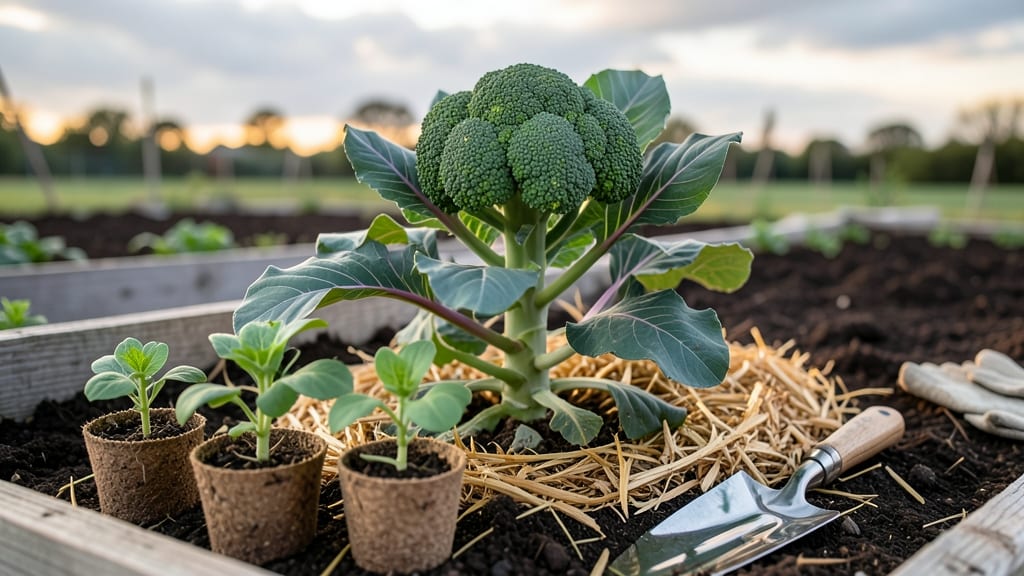
Planting your Alabama fall garden at the wrong time can mean the difference between a thriving harvest and a sad, wilted disappointment—especially when summer’s heat still lingers in Heat Zones 7 and 8.
You might think cooler weather means you can jump in anytime, but Alabama’s unique climate demands precision. Too early, and pests or heat will sabotage your greens; too late, and frost will steal your rewards.
The key is timing those seeds just right—between mid-August and early October, depending on your exact location.
I’ve spent years growing in this region, and I’ll show you exactly when to plant each crop—from heat-loving tomatoes to frost-tolerant kale—so you can beat the odds. Whether you’re in Birmingham or Mobile, we’ll break it down by zone and give you actionable steps to start strong.
Ready to turn your backyard into a fall feast? Let’s get those seeds in the ground the smart way—before the first frost arrives.
Best planting dates by Alabama heat Zone (7 vs 8)
Alabama’s Heat Zones 7 and 8 create distinct fall planting windows. Zone 7 experiences earlier frosts (mid-November) compared to Zone 8’s late-November/early-December frost dates. This difference means your fall garden timing must account for both lingering summer heat and approaching cold snaps.
For Heat Zone 7, start cool-season crops 8-10 weeks before first frost (typically late July to early August). Zone 8 gardeners have until mid-August for most crops, thanks to its extended growing season.
However, both zones face risks: planting too early means bolting vegetables, while late planting risks stunted growth before frost.
Let’s break down the optimal planting schedule for your Alabama garden. We’ll focus on leafy greens, brassicas, root vegetables, and herbs, with adjustments for each zone’s unique climate. Use this as your fall garden roadmap to maximize yields and avoid common pitfalls.
🌱
| Crop Type | Heat Zone 7 Planting Window | Heat Zone 8 Planting Window | Soil Temp (°F) | Key Notes |
|---|---|---|---|---|
| Leafy Greens (Lettuce, Spinach, Kale) | Late July - Early August | Mid-July - Mid-August | 50-75°F | Bolt-resistant varieties preferred; mulch to retain moisture. |
| Brassicas (Broccoli, Cabbage, Brussels Sprouts) | Early August - Mid-August | Late July - Early August | 60-75°F | Transplant seedlings; protect from cabbage worms with row covers. |
| Root Vegetables (Carrots, Beets, Turnips) | Mid-August - Early September | Late August - Mid-September | 55-70°F | Loosen soil to prevent forking; harvest before hard frost. |
| Herbs (Cilantro, Parsley, Dill) | Late July - Early September | Mid-July - Late September | 50-65°F | Direct sow; cilantro bolts quickly in heat—plant in partial shade. |
| Peas & Beans (Green Beans, Snap Peas) | Early September - Mid-September | Late August - Early October | 60-70°F | Plant after soil cools; peas thrive in cooler temps and fix nitrogen. |
For Zone 7 gardeners, focus on early August planting for most crops. The first frost typically arrives by November 15, so plan your harvest timeline accordingly. For example, broccoli sown in early August should be ready by mid-October, leaving room for a second planting if space allows.
Zone 8’s longer growing season lets you push boundaries. You can even try late-season tomatoes or peppers with frost protection. However, soil temperature drops faster than air temperature, so monitor it closely. Use a soil thermometer to ensure roots stay above 50°F—below this, growth slows dramatically.
Both zones should avoid planting heat-sensitive crops like lettuce after mid-August in Zone 7 or September in Zone 8. Instead, opt for bolting-resistant varieties or shade-tolerant greens like Swiss chard, which handles heat better than
Top 10 fall vegetables for Alabama gardens (and when to sow them)
Fall gardening in Alabama rewards patience with hearty harvests, but the right crops and perfect timing make all the difference. Alabama’s Heat Zones 7 and 8 demand quick-maturing varieties that thrive in cooling temperatures but avoid early frosts.
For example, collards and kale sweeten under light frosts, while turnips and carrots need crisp soil to germinate.
Start by focusing on cool-season vegetables that tolerate Alabama’s 60–75°F soil temperatures. The key is planting 6–8 weeks before your first frost—typically mid-August to early September in most of the state.
For instance, Zone 8’s longer growing season allows a second planting of fast growers like radishes or spinach in late September.
My top pick for Alabama gardens is collard greens, which thrive in cool nights and warm days. Sow seeds 4–6 weeks before your first frost—around late August in most areas—for a harvest before winter.
In North Alabama (Zone 7), aim for early August to beat frost. For Zone 8’s extended season, you can even plant a second crop in late September for a winter harvest.
Next, turnips and carrots are excellent choices. These root vegetables need loose, well-draining soil to prevent forking. Plant turnip seeds 6–8 weeks before frost (mid-August) and carrot seeds 8–10 weeks out (early August).
In South Alabama (Zone 8), you can push carrots to late September for a smaller but still bountiful harvest.
Don’t overlook kale and spinach, which add vibrant color and nutrition to fall gardens. Both tolerate light frosts and even sweeten after frost. Plant kale 6–8 weeks before frost (late August) and spinach 4–6 weeks out (early September).
For quick harvests, try ‘Bloomsdale Long Standing’ kale or ‘Tyee’ spinach, both proven winners in Alabama trials.
For herbs, cilantro and parsley bolt in summer’s heat but thrive in fall. Sow cilantro seeds 8–10 weeks before frost (early August) and parsley 6–8 weeks out (late August). In Zone 8, you can extend cilantro’s life with light row covers during cold snaps.
Pair these with lettuce varieties like ‘Black Seeded Simpson’, which bolts slowly in cooler weather.
Finally, radishes are the fastest fall crop—ready in 25–30 days! Plant every 2 weeks from mid-August to late September for continuous harvests. Their quick growth makes them perfect for succession planting in Alabama’s short fall window.
For a bold flavor, try ‘Cherry Belle’ radishes, a variety that thrives in both Zone 7 and 8.