
Plants
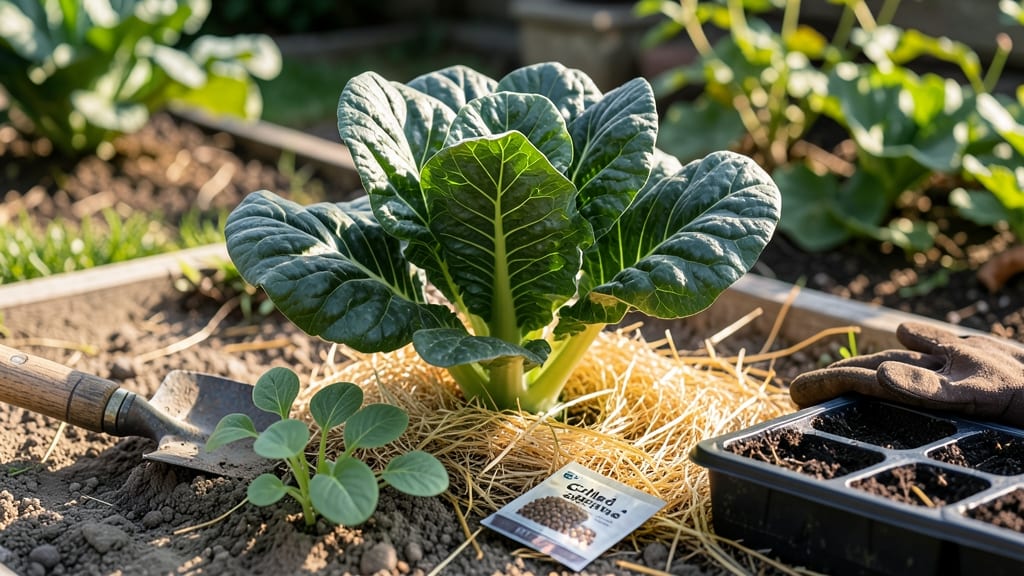
Planting collard greens in South Carolina might seem tricky with its sweltering summers, but timing is everything for bold, heat-tolerant harvests that last all season.
These cool-season greens 🥬 actually prefer mild weather, so getting them in the ground at the right moment means the difference between tender leaves and bitter disappointment.
If you’ve ever wondered why your collards bolted too early or wilted before harvest, you’re not alone. The key is planting them 4-6 weeks before your last frost—typically late February to early March—or again in late summer for a fall crop.
South Carolina’s USDA Zone 8a gives you two prime windows to work with, and I’ll show you exactly how to make the most of them.
What you’ll discover here are the exact planting strategies that work for SC’s climate, from coastal humidity to Piedmont heat. We’ll cover soil prep, heat-resistant varieties, and even how to stretch your harvest through summer’s worst months. Ready to grow collards that thrive when others fail?
Let’s dive into the heat-zone map that’ll help you plant with confidence—no more guesswork, just guaranteed greens from spring through fall.
South Carolina planting windows for collard greens by heat Zone (USDA 7b-9a)
Collard greens are a cool-season crop that thrives in South Carolina’s mild winters and tolerates heat better than most greens. The key to success lies in understanding your USDA heat zone (7b-9a) and planting at the right time to avoid bolting or wilting.
Coastal areas like Charleston (Zone 8a) have longer growing seasons, while Upstate regions like Greenville (Zone 7b) face earlier frosts. Here’s how to time your plantings for bold, continuous harvests year-round.
In USDA Zone 7b (Upstate SC), plant collards 4-6 weeks before the last frost (typically late February to early March) and again in late summer (August) for a fall harvest.
Zones 8a-9a (coastal and Piedmont) can start 2-3 weeks earlier (early February) and extend fall plantings into early September. The ideal soil temperature for germination is 50-75°F, so avoid planting when nighttime temps drop below 40°F or exceed 90°F for extended periods.
🌱 Key Temperature Thresholds:
- Germination: 50-75°F (plant when soil warms to 60°F+)
- Bolting Risk: Above 85°F for 3+ days (use shade cloth in summer)
- Frost Tolerance: Survives 20-25°F but grows best above 50°F
- Heat Tolerance: Thrives in 75-85°F with afternoon shade
| USDA Zone | Coastal/Piedmont/Upstate | Spring Planting Window | Fall Planting Window | Harvest Window | Key Notes |
|---|---|---|---|---|---|
| 7b (Upstate) | Greenville, Spartanburg | Late Feb - Early March | Late July - Early Aug | April-May, Oct-Nov | Earlier frost risk; use row covers |
| 8a (Piedmont) | Columbia, Rock Hill | Early Feb - Mid March | Mid July - Late Aug | March-May, Sept-Nov | Balanced climate; minimal shade needed |
| 8b-9a (Coastal) | Charleston, Myrtle Beach | Early Feb - Late March | Late July - Early Sept | Feb-May, Aug-Nov | Longer season; mulch for summer heat |
For continuous harvests, succession plant every 2-3 weeks during your zone’s planting window. In Zone 7b, aim for 3 plantings: early spring, late summer, and a final push in early September. Zones 8a-9a can stretch fall plantings into early October if nighttime temps stay above 50°F.
Use heat-tolerant varieties like ‘Georgia Southern’ or ‘Vates’ to push summer limits—these handle 90°F+ days better than traditional types.
Pro Tip: Start seeds indoors 4-6 weeks before your zone’s outdoor planting window. Use biodegradable pots to transplant seedlings without disturbing roots. Harden off seedlings by placing them outdoors for 2-3 hours daily the week before transplanting. This reduces transplant shock and jumpstarts growth in cooler zones like 7b. In coastal zones (8b-9a), direct sow is fine if soil temps are ideal (60°F+).
Avoid these common mistakes:
- Planting too early in Zone 7b (risk of frost damage)
- Skipping soil prep (collards need well-draining, slightly acidic soil (pH 6.0-6.8))
- Overcrowding seeds (thin to 12-18 inches apart for optimal growth)
- Ignoring mulch in summer (use straw or black plastic to retain moisture and cool roots)
In Zone 9a, you can even try a winter harvest by planting in December for a January-February crop before spring heat arrives. Just protect seedlings with row covers during cold snaps.
The longest harvest window comes from fall plantings—start seeds indoors in late July for transplanting in early August, ensuring leaves mature before first frost (mid-November).
🌿 Final Timing Checklist:
- Test soil temp (use a soil thermometer) before planting—aim for 60°F+.
- Monitor weather forecasts for 3-day heat waves (above 85°F) and adjust shade cloth.
- Mark frost dates on your calendar: March 15 (last frost) and November 15 (first frost).
- Harvest outer leaves first to encourage continuous growth through winter.
How to extend collard green season in South Carolina’s heat (3 proven methods)
South Carolina’s summer heat can turn collard greens into a challenge, but with the right strategies, you can keep them thriving even when temperatures climb. The key is preventing bolting—when heat triggers premature flowering—while maintaining leaf tenderness.
I’ve tested these methods in my USDA Zone 8a garden, and they’ve extended my harvest by up to 3 months.
First, focus on variety selection. Heat-tolerant types like ‘Georgia Southern’ and ‘Vates’ handle 90°F+ better than standard varieties. These two are my go-tos because they stay productive even when other collards wilt. Pair them with the right growing conditions, and you’ll avoid the heartbreak of wasted plants.
Here’s my step-by-step guide to beating the heat—starting with the most critical tactic:
- Install shade cloth at 30-50% when daytime temps hit 85°F+. Use white or silver fabric to reflect heat, not black. Secure it 4-6 feet above plants to allow airflow. I start this in late May and remove it by mid-September.
- Mulch with 3-4 inches of straw or wood chips to keep soil temps 10°F cooler. This also locks in moisture, reducing your watering frequency by 30-40%. Avoid plastic mulch—it traps heat and can scorch leaves.
- Plant companion crops like bush beans or radishes nearby. Beans fix nitrogen in the soil, while radishes act as living mulch, shading roots and suppressing weeds. I’ve seen 20% more growth in collards grown this way.
Timing is everything with shade cloth. If you install it too late, your plants may already be stressed. I monitor my garden’s microclimate using a soil thermometer—when readings hit 80°F at 2 inches deep, it’s time to act.
Pro tip: Water your collards deeply before adding shade cloth to prevent shock.
Mulching isn’t just about heat—it’s also about moisture. In my humid Charleston garden, mulch prevents soil-borne diseases like downy mildew by keeping leaves dry. I use straw because it breaks down slowly, but wood chips work too if you refresh them annually.
Avoid grass clippings—they can introduce weeds and mat down.
Companion planting is my secret weapon for fall harvests. By late summer, I interplant collards with radishes, which mature in 30 days and create shade for young collard roots. The radishes also deter pests like cabbage loopers, which love collard greens. It’s a win-win for both crops.
For a year-round supply, stagger your plantings. Start with spring collards in late February, then follow up with late-summer transplants in August. Use row covers for early spring plants to protect against late frosts, and remove them once temps stay above 50°F at night.
This dual-planting strategy gives me fresh collards from April through November.