
Plants
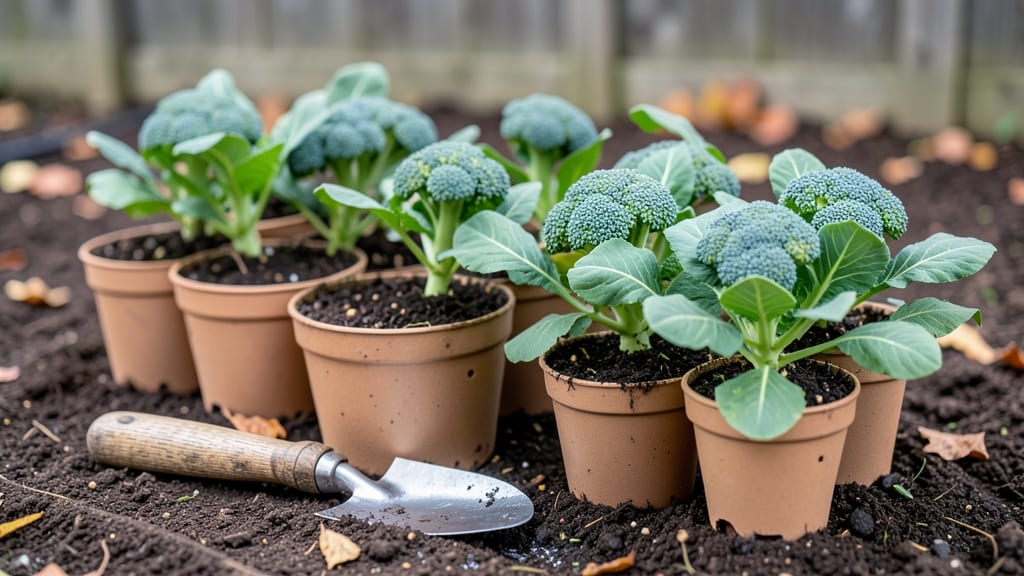
Planting fall broccoli in Zone 7 can mean the difference between a bold harvest and a sad, frost-bitten disappointment—but the secret isn’t luck, it’s timing.
That crisp autumn air is perfect for 🥦, but get the schedule wrong, and your plants either bolt too fast or never mature before the first frost. The key? Starting 4-6 weeks before your first frost date, which in Zone 7 typically lands in mid-November.
Most gardeners in 7a-7b overlook how soil temperature and variety choice affect their planting window. Cool-season broccoli needs consistent chill to form those tight, flavorful heads, but if you plant too early, the heat of late summer will send your plants into premature flowering.
That’s why I’ve tested the exact weeks that work best—whether you’re direct-sowing seeds or transplanting starts.
Let’s break down the science-backed schedule that’ll give you harvests from October through December, plus the common mistakes that sabotage even the most eager gardeners. Spoiler: It’s not just about the calendar—soil prep, spacing, and mulching play huge roles too.
Ready to grow broccoli that’ll make your neighbors ask for cuttings? I’ll walk you through every step, from choosing the right varieties to adjusting for your specific microclimate. No more guesswork—just a reliable, frost-proof harvest.
Zone 7 fall broccoli planting timeline: weeks before first frost for maximum yield
Fall broccoli in Zone 7 rewards patience with bold, frost-sweetened heads—but nailing the planting window is non-negotiable. The average first frost here lands around mid-November, giving you a 12-14 week harvest window if timed right.
Miss this, and you’ll either get bolting plants (from heat stress) or frost-damaged heads.
Your goal? Plant broccoli 4-8 weeks before frost, depending on the variety’s maturity and whether you’re starting indoors or direct-sowing. Fast varieties like 'De Cicco' (50-60 days) can handle late starts, while slower types like 'Calabrese' (70-80 days) need an early head start.
Let’s break down the exact week-by-week schedule to maximize your harvest.
📅 Pro Tip: Use your local frost date (check the USDA Plant Hardiness Zone Map) as your anchor. For Zone 7a (colder), aim for 8 weeks before frost; for 7b (warmer), 6 weeks works better.
| Planting Window | Action | Soil Temp | Notes |
|---|---|---|---|
| Early Window (July 15 - Aug 1) | Start indoors for slow varieties (e.g., 'Calabrese') | 60-70°F | Transplant 4-6 weeks later when soil cools |
| Mid Window (Aug 1 - Aug 25) | Direct sow fast varieties (e.g., 'De Cicco') | 55-65°F | Harvest before first frost (Oct-Nov) |
| Late Window (Aug 25 - Sep 15) | Direct sow cold-tolerant types (e.g., 'Waltham 29') | 50-60°F | Use row covers to extend season |
| Emergency Window (Sep 15 - Oct 1) | Sow microgreens or baby broccoli | 45-55°F | Harvest in 6-8 weeks (Nov-Dec) |
For indoor starts, begin seeds 6-8 weeks before transplanting (so July 15-August 1 for Zone 7).
Use grow lights to prevent leggy seedlings, and harden off plants for 7-10 days before moving them outdoors. Direct sowing is simpler and works well for fast-maturing varieties—just plant seeds ¼ inch deep, 18-24 inches apart, and keep soil moist.
Soil temperature is your secret weapon. Broccoli germinates best in 50-70°F soil, but above 80°F, seeds may rot or bolt.
Test your soil with a thermometer—if it’s below 50°F, wait or use black plastic mulch to warm it. Zone 7’s August soil often sits in the 70-80°F range, making late July the sweet spot for direct sowing.
Don’t overlook succession planting. In Zone 7, you can squeeze in two fall crops if you stagger plantings. Sow a first batch in early August (for late October harvests) and a second batch in mid-September (for November harvests, protected by row covers).
This extends your harvest window by 6-8 weeks and reduces waste.
🚨 Warning: Avoid planting broccoli after September 15 unless you’re growing microgreens. By late September, day lengths shorten, and broccoli needs longer days to form heads. Late plantings often bolt prematurely or produce tiny,
How to adjust planting for broccoli varieties: fast-growing vs. slow-maturing types
Not all broccoli varieties play nice in Zone 7’s fall schedule. Fast-maturing types like 'De Cicco' bolt if planted too early, while slow growers like 'Calabrese' need extra time to bulk up before frost.
Your harvest timing depends entirely on which variety you choose—and when you put it in the ground.
For Zone 7, fast varieties (50-60 days) should go in late August to avoid bolting, while slow varieties (70-80 days) need a mid-July start (indoors or early direct sow). The wrong timing means either tiny heads or frost-melted dreams.
| Variety | Days to Maturity | Planting Window (Zone 7) | Frost Tolerance | Best For |
|---|---|---|---|---|
| 'De Cicco' | 50-55 days | Late August | Moderate (light frost) | Quick harvests |
| 'Waltham 29' | 60-65 days | td style="padding: 10px;">Mid-AugustHigh (hard frost) | Late-season yields | |
| 'Calabrese' | 70-80 days | Mid-July (indoors) or early August | Moderate (light frost) | Large heads |
If you’re short on time, 'De Cicco' is your best bet—it matures in 7 weeks, leaving room for a second planting if you’re ambitious. But if you want massive heads, 'Calabrese' needs that July head start to avoid stunting.
Pro tip: Mulch heavily with straw or leaves to protect slow growers from light frosts. Even 'Waltham 29', the frost champ, will thank you for the extra insulation as temps dip below 32°F.
For extended harvests, stagger plantings: De Cicco in late August, Waltham 29 in mid-August, and Calabrese in July. This way, you’ll have heads ready every 2-3 weeks until frost.
Remember: Zone 7’s first frost typically hits mid-November, so plan backward from that date. Use the table above as your decision matrix—match your variety to your harvest timeline, not just your planting date.