
Planting
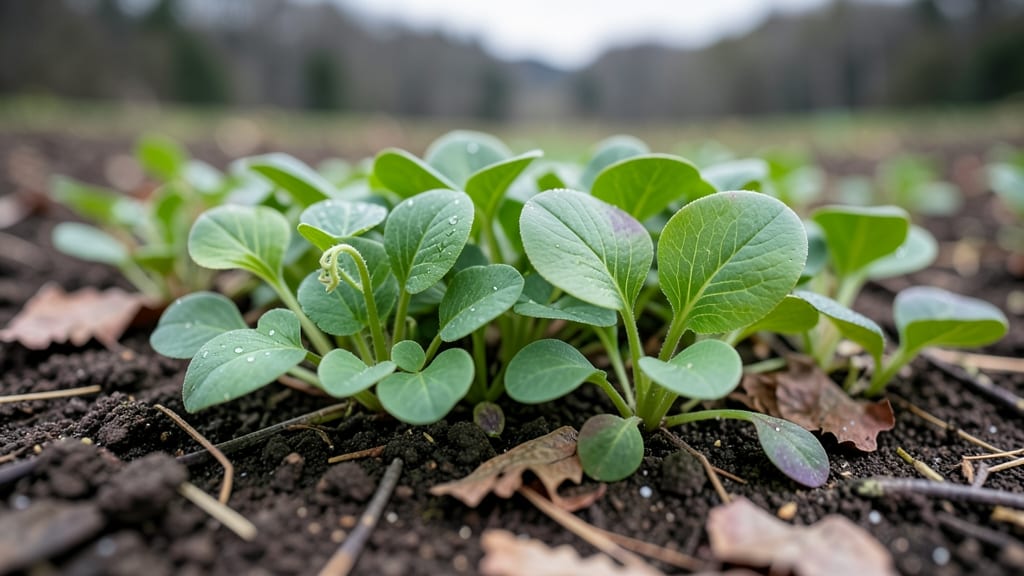
Planting your 🌾 deer food plot in Kentucky at the wrong time can mean wasted seeds or weak forage that won’t attract bucks. The key isn’t just picking a month—it’s reading your soil’s temperature and understanding how Kentucky’s frost dates play into your success.
Most landowners assume spring is the only window, but fall plantings often outperform because cooler temps mean less weed competition. I’ve seen plots thrive when planted in early September, just before deer start bulking up for rut season.
You’ll learn exactly when soil reaches that 55°F+ sweet spot for clover or the 60°F+ mark for brassicas—plus how to adjust for Kentucky’s microclimates where last frosts can vary by 2 weeks between regions.
Skip the guesswork: I’ll walk you through proven strategies so your plot grows lush, deer-proof, and ready for hunting season. Let’s get those seeds in the ground the right way.
Kentucky's ideal soil temperature ranges for planting deer food plots
Planting deer food plots in Kentucky isn't just about picking a month—it's about soil temperature. Cold soil slows germination, while warm soil kickstarts growth. Most deer forage seeds need soil to reach specific minimum temperatures before they'll sprout reliably.
For cool-season mixes like clover and brassicas, aim for 55°F+, while warm-season mixes like sorghum-sudangrass need 65°F+.
Why does this matter? Seeds planted in chilly soil rot instead of sprouting, while seeds in too-warm soil may dry out before germinating. Kentucky's spring soil warming varies by region—Bluegrass warms faster than the Pennyrile—so testing is key.
Use a soil thermometer (available at garden centers) to check temps at 4-inch depth, where most seeds germinate.
Here's the golden rule: Wait until soil temps stay above the minimum threshold for at least 3 consecutive days. This consistency ensures even germination across your plot. For example, alfalfa and red clover thrive when soil hits 55°F, while chicory and turnips prefer 60°F+.
Warm-season mixes like sorghum-sudangrass won't germinate until soil reaches 65°F+.
🌱Pro Tip: Morning is the best time to test soil temperature. Soil cools overnight, so a 60°F reading at 8 AM might spike to 70°F by noon—perfect for warm-season seeds.
If you're planting in early spring, monitor soil temps daily. A cold snap can push temps back below threshold, delaying germination. For example, in Northern Kentucky (USDA Zone 6a), soil may hit 55°F by late March, but a frost could drop it to 45°F overnight.
Wait until temps stabilize before seeding.
For warm-season mixes, patience pays off. Rushing to plant sorghum-sudangrass in May when soil is only 60°F (below the 65°F threshold) means seeds may rot in the soil instead of sprouting. Use a soil thermometer to confirm readiness—it's the only way to avoid wasted seed.
🌿Regional Note: Western Kentucky (Pennyrile region) warms 1-2 weeks later than the Bluegrass. Check local agricultural extension reports or ask neighbors with successful plots—they’ve already tested the soil!
Once soil hits the right temp, act fast. Seeds like chicory and turnips germinate quickly (5-10 days) and can outpace slower-growing clovers. Plant in moist, not soggy, soil—water lightly after seeding to settle soil but avoid compacting it.
A light mulch (straw or leaves) helps retain moisture while seeds sprout.
⏰Time-Saving Tip: If you're short on time, pre-germinate seeds indoors before transplanting. Soak seeds overnight in lukewarm water, then plant them in warm soil (above threshold). This cuts germination time in half and boosts success rates in Kentucky's unpredictable springs.
Remember: Soil temperature > air temperature for planting decisions. A 70°F day with 50°F soil means seeds won’t sprout—don’t be fooled by warm air! Test soil at 4-inch depth (where most seeds germinate) for the most accurate reading.
Frost-free window secrets: Kentucky's microclimates and planting zones
Kentucky's USDA zones 6a-7a might look uniform on a map, but frost dates can shift by 2-3 weeks between the Bluegrass Region and Pennyrile Plateau. I've seen early March plantings thrive in Henderson County while Lexington still gets 28°F dips in mid-April.
Understanding these microclimates lets you plant 4-6 weeks earlier in frost-free pockets.
Your planting window isn't just about last frost dates—it's about soil temperature consistency. While the state's average last frost is March 15, my soil thermometer shows 55°F (ideal for clover) hits Louisville by March 1 but Paducah by March 20.
This timing difference means 30 extra frost-free days for early planting in southern Kentucky.
Here's how Kentucky's two main regions differ in critical planting windows:
| Factor | Bluegrass Region (Lexington, Louisville) | Pennyrile Plateau (Bowling Green, Paducah) |
|---|---|---|
| USDA Zone | 6a-6b | 7a-7b |
| Average Last Frost | March 20 | March 5 |
| Soil Reaches 55°F | March 15 | February 28 |
| Safe Planting Window | March 25-April 15 | March 1-March 20 |
| Fall Planting Window | September 15-October 10 | September 1-October 5 |
| Late Frost Risk | 25% chance after April 10 | 10% chance after March 25 |
To protect early plantings from late frosts, I use row covers or low tunnels until soil temps stay above 40°F at night. For clover mixes, this means waiting until April 1 in northern Kentucky—even if soil is warm.
The tradeoff? 3 extra weeks of frost-free growth compared to planting in March.
Fall plantings often outperform spring in Kentucky because cooler soil temps reduce weed competition. My best results come from September 15-October 10 plantings, which establish before first frosts in November. For warm-season mixes like sorghum sudan, wait until soil hits 65°F+—typically mid-May in most regions.
Pro tip: Check the Kentucky Mesonet for your local frost alerts—their data shows 30% more frost events in valley areas than ridge tops. Planting on south-facing slopes can give you 7-10 extra frost-free days compared to flat fields.