
Plants
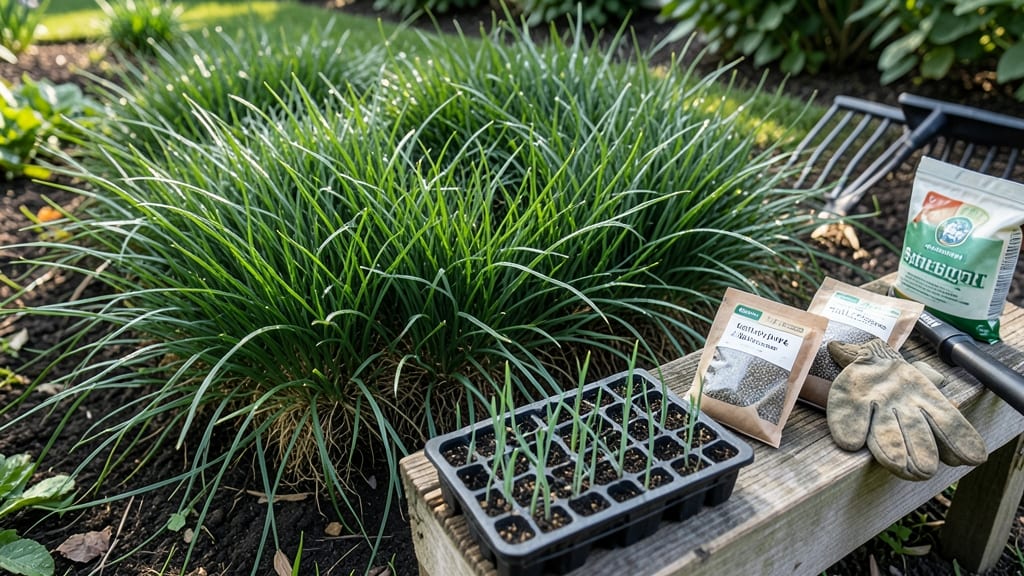
Planting grass in Wisconsin isn't just about grabbing seed and throwing it down—timing makes the difference between a lush, weed-free lawn and a patchy disappointment. The best window to plant grass in Wisconsin is narrow, and missing it means risking frost damage or wasted effort.
Most Wisconsin counties (Zones 4-5) have a 6-week frost-free window—typically from early April to mid-May or early September to mid-October. But those dates shift depending on whether you're in northern Wisconsin or the warmer southern regions.
Even a few days off can mean the difference between success and starting over.
I’ve dug into local climate data to break down the exact frost-free planting windows by county, so you can avoid the guesswork. Whether you’re seeding in spring or fall, knowing when to plant is the key to a thick, healthy 🌱 grass (lawn) that stays green all season.
Ready to skip the trial-and-error? Let’s get into the details—soil temps, seed types, and backup plans for Wisconsin’s unpredictable weather. You’ll walk away with a clear timeline tailored to your corner of the state.
Wisconsin grass planting timeline: exact frost-free dates by county (Zone 4-5)
Timing your grass planting in Wisconsin is critical—get it wrong, and you’ll battle frost damage or slow germination. The USDA Hardiness Zones 4-5 mean Wisconsin’s last frost dates vary wildly from northern Door County to southern Walworth County.
I’ve broken down the ideal planting windows by county, so you can plant cool-season grasses (like Kentucky Bluegrass) with confidence.
Most Wisconsin counties see their average last frost date between mid-April and mid-May, but microclimates—like lake-effect zones or valley areas—can shift this by 2-3 weeks.
For fall planting, aim for late August to early September to give grass roots time to establish before first frost (typically mid-October).
Pro Tip: Use a soil thermometer—grass seeds need 50°F soil temps to germinate. In Zone 4 (northern WI), wait until May 15; in Zone 5 (southern WI), you can start as early as April 15.
| County | Zone | Avg. Last Frost | Spring Planting Window | Fall Planting Window | Notes |
|---|---|---|---|---|---|
| Ashland, Bayfield, Iron | 4a | May 20–25 | May 15–June 15 | Aug 20–Sep 5 | Late frosts common; use cold-hardy seed |
| Door, Kewaunee, Manitowoc | 4b | May 10–15 | May 1–May 30 | Aug 25–Sep 10 | Lake-effect delays frost; monitor soil temps |
| Dodge, Fond du Lac, Jefferson | 5a | April 25–May 5 | April 15–May 15 | Sep 1–Sep 15 | Early spring planting ideal; avoid late May |
| Milwaukee, Ozaukee, Racine | 5b | April 15–20 | April 1–April 30 | Sep 5–Sep 20 | Urban heat islands may shift dates earlier |
| Adams, Columbia, Juneau | 5a/5b | April 20–May 5 | April 10–May 10 | Aug 30–Sep 10 | Driftless Area; watch for late frosts |
Southern Wisconsin (like Walworth or Kenosha) often sees earlier last frosts (as early as April 15), while northern counties (like Ashland or Iron) can wait until May 20.
For fall planting, prioritize late August to early September—this gives grass 6-8 weeks to establish roots before winter dormancy.
If you’re in a transition zone (like Dodge or Fond du Lac), err on the side of waiting. A late-May planting risks summer drought stress, while a September planting might not have enough time to root before frost.
I recommend Fine Fescue mixes for northern areas—they tolerate cooler soils better than Kentucky Bluegrass.
For microclimates, adjust by 1-2 weeks: - Lake-effect zones (Door County): Delay spring planting by 7-10 days due to late frosts. - Valleys (Driftless Area): Plant 2 weeks earlier—they warm faster. - Urban areas (Milwaukee): Start 1 week sooner—heat islands raise soil temps.
Always check your local USDA frost data or use a frost-free date calculator like the one from the Midwest Regional Climate Center. And remember: overseeding in late summer (August) is a great way to fill gaps before winter.
Miss the window? Don’t panic. Tall Fescue is more drought
How to adjust planting time for Wisconsin’s unpredictable weather patterns
Wisconsin’s unpredictable frost patterns can derail even the best-laid grass planting plans. In northern counties like Door County, late frosts often linger until mid-May, while southern areas like Milwaukee may see frost-free conditions by early April.
These regional differences mean your planting strategy must be flexible—especially for cool-season grasses like Kentucky Bluegrass, which need stable soil temperatures.
My go-to adjustment strategy starts with a soil temperature test—wait until the ground reaches 50°F (10°C) at 4-inch depth. Use a soil thermometer for accuracy, as surface temps can be misleading.
For risky zones like the Driftless Area, I recommend delaying spring planting until late May to avoid frost damage to young seedlings.
⚠️ callout-warning ⚠️
❄️ Wisconsin’s Frost Trap Zones
Some Wisconsin areas experience microclimates with delayed frost risks. Avoid planting in these zones until May 15+:
- ✅ Door County (last frost: May 20)
- ✅ Driftless Area (last frost: May 10)
- ✅ Northern Forests (last frost: May 5)
Use USDA Plant Hardiness Zone Map to verify your local frost dates.
For fall planting, I shift focus to soil moisture and daylight hours.
Aim to plant 4-6 weeks before the first expected frost (typically mid-September for southern WI, late September for northern regions). Tall Fescue and Fine Fescue thrive in cooler fall temps, but avoid planting when nights dip below 40°F (4°C)—this slows germination.
When in doubt, I use backup planting dates based on USDA data:
- ✅ Southern WI: April 15–May 10 (spring) or September 1–15 (fall)
- ✅ Northern WI: May 1–June 10 (spring) or August 15–September 10 (fall)
Pro tip: Use row covers or lightweight mulch for early spring plantings in Zone 4 areas. This adds 2-4°F protection and extends your planting window by 10-14 days. Just remove covers once soil warms to 55°F (13°C) to prevent overheating.
Remember, grass seed viability drops after 2 years, so check your seed packet’s germination rate. For high-risk years, I opt for pre-germinated seed—it sprouts 30% faster in cool soils. Pair this with compost-amended soil, and you’ll outpace Wisconsin’s worst weather surprises.