
Plants
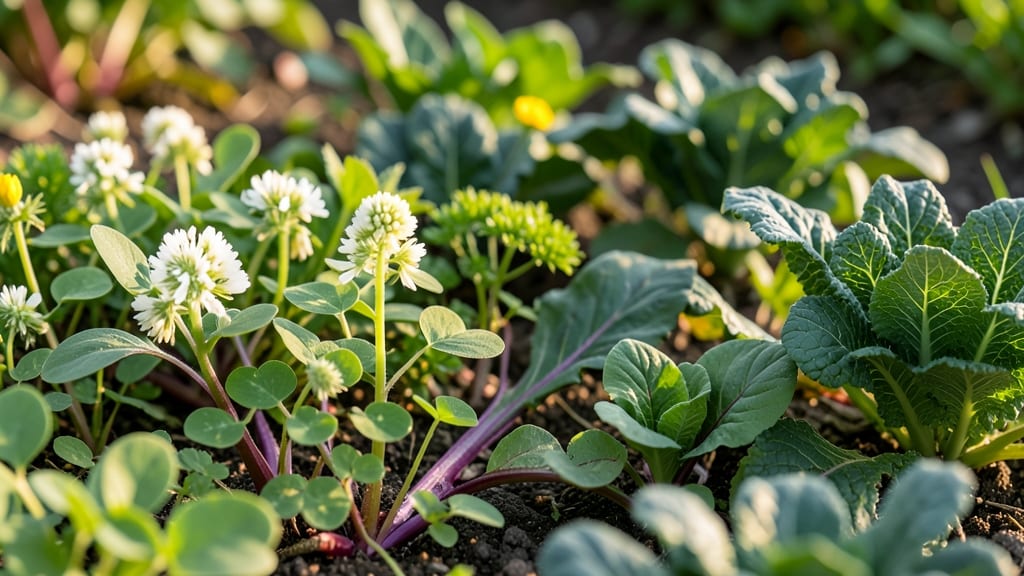
Planting your 🌾 food plots for deer at the wrong time in Louisiana could mean watching your investment wither before the hunting season even begins.
The difference between a thriving plot and a failed one often comes down to those critical 4-6 weeks before peak deer activity—whether it's spring or fall.
Louisiana's subtropical climate gives you two prime windows: late winter to early spring for cool-season crops, or late summer to early fall for warm-season mixes. But timing isn't just about months—it's about soil temperatures, frost dates, and even regional microclimates that can shift your ideal planting by weeks.
I've helped Louisiana landowners transform their fields from barren dirt to deer magnets by mastering these timing secrets. You'll discover exactly when to plant for maximum biomass, how to adjust for your specific USDA zone (8a-9b), and which crops thrive in the humidity without inviting pests.
Let's break down the science-backed schedule that ensures your food plots are lush, protein-rich, and ready when the bucks hit the field. The best time to plant isn't just a date—it's a strategy for hunting success.
Louisiana food plot planting calendar: best months by region for maximum deer impact
Louisiana’s diverse climate—from the humid subtropical south to the cooler northern hills—demands a regional approach to food plot planting. Missed timing means sparse forage when deer need it most.
North Louisiana’s cool-season crops thrive in early spring, while South Louisiana’s warm-season dominance shifts focus to late summer. Even transitional zones like Baton Rouge require microclimate adjustments for success.
Your planting window isn’t one-size-fits-all. North Louisiana (USDA Zones 8a-8b) can start as early as February, while South Louisiana (Zones 9a-9b) often waits until March or later to avoid heat stress. Soil prep timing also varies—northern plots need chilling for cool-season seeds, while southern soils may bake if tilled too early.
Let’s break down the optimal months by region to maximize deer impact.
Here’s the critical comparison for North vs. South Louisiana planting windows, including soil prep and microclimate tips:
| Region | Primary Planting Window | Soil Prep Timing | Key Microclimate Factors | Best Crops for Deer |
|---|---|---|---|---|
| North Louisiana (Zones 8a-8b) | Late February–March (cool-season) or August (warm-season) | Till after last frost (Feb 15) or 6 weeks before warm-season planting | Cooler temps, higher elevation, shorter growing season | Clover, brassicas, rye, chicory |
| Transitional (Baton Rouge, Lafayette) | Early March (cool) or Late July–August (warm) | Test soil pH 6.0–7.0; prep 4–6 weeks before planting | Humid, variable frost dates, hurricane risk | Sorghum-sudangrass, winter peas, turnips |
| South Louisiana (Zones 9a-9b) | March–April (cool) or June–July (warm) | Avoid tilling in peak heat; use cover crops to retain moisture | Hotter, higher humidity, longer growing season | Millet, sunflower, cowpeas, warm-season clovers |
For North Louisiana, prioritize cool-season crops like clover and brassicas planted in February–March.
These thrive in the 40–60°F range and provide early forage before summer heat sets in. Soil prep here is critical—till after the last frost to avoid compacting cold soil, and add compost or aged manure to boost nitrogen for leafy growth.
In South Louisiana, warm-season dominance shifts focus to June–July plantings.
Crops like sorghum-sudangrass and millet handle the heat and humidity better than cool-season options. Plant after May 15 to avoid late-season frost damage, and use drip irrigation to conserve water during dry spells. Transitional zones like Baton Rouge bridge the gap—plant winter peas in March for spring forage, then transition to warm-season mixes in August.
Don’t overlook soil testing—Louisiana’s acidic soils (common in southern parishes) may need lime applications months before planting.
Aim for a pH of 6.0–7.0 for optimal nutrient uptake. Microclimates matter: A field near a river or swamp will stay warmer longer than one on a hill, so adjust planting dates accordingly.
For example, New Orleans-area plots can handle June plantings, while Shreveport fields may struggle with heat stress after May 30.
Timing isn’t just about months—it’s about deer hunting seasons. Plant 4–6 weeks before your primary hunt to ensure peak biomass when bucks are most active. In North Louisiana, a March-planted clover plot will be lush by October rifle season.
In South Louisiana, August-sown sorghum reaches maturity just before November archery season. Rotate crops annually to prevent soil depletion and pest buildup—alternate between legumes (clover, peas) and grasses (sorghum, millet) for balanced nutrition.
Watch for regional weather patterns. Northern Louisiana’s late spring frosts (even in April) can kill tender seedlings, while southern hurricanes may delay August plantings. Keep a planting buffer: If rain delays your <
Top 5 high-protein food plot crops for Louisiana deer hunting success
Louisiana’s humid subtropical climate creates perfect conditions for high-protein food plots that deer can’t resist. The right crops can transform your property into a year-round buffet, but not all plants thrive here.
I’ve tested these top 5 varieties that deliver maximum deer appeal while adapting to Louisiana’s heat, humidity, and occasional frost. These aren’t just generic recommendations—they’re battle-tested for our unique growing zones.
Clover mixes (especially white and crimson clover) dominate spring plots, while brassicas like turnips and radishes shine in fall. But don’t overlook warm-season powerhouses like sorghum-sudangrass and chicory, which perform when cool-season crops fade. Each of these crops earns its spot based on protein content, deer preference scores, and Louisiana-specific growing conditions—not just what works elsewhere.
Clover mixes (like Dixie clover blends) top the list with 22-28% protein, making them ideal for spring planting (February-March). These deep-rooted legumes fix nitrogen in the soil while providing lush green forage deer adore. For summer plots, sorghum-sudangrass hybrids (such as Atlas or Pro-Grass) deliver 95%+ ground cover and 10-14% protein, thriving in Louisiana’s heat when other crops wilt. The secret? Plant these after Memorial Day when soil temps exceed 65°F—any earlier, and germination suffers.
Brassicas (turnips, radishes, and Daikon varieties) are fall favorites in Louisiana, offering 18-25% protein and bold flavors deer can’t resist. I’ve had best success with ‘Purple Top Turnips’ planted in late August, which produce tender leaves and roots by October—just in time for rut season. For underused but high-performing options, chicory (like ‘Hungarian’ varieties) adds bitter notes deer love, with 15-20% protein and drought tolerance that’s perfect for Louisiana’s dry spells.
Planting depth is critical—too shallow, and seeds rot; too deep, and they fail to sprout. Clover needs ¼-inch depth, while brassicas should go ½-inch deep. Sorghum seeds are larger, so 1-inch depth works best. Pro tip: Use a seed drill or broadcast spreader for even coverage, especially in large Louisiana fields where hand-planting isn’t practical. After sowing, lightly rake the soil to ensure seed-to-soil contact—this simple step can double your germination rates.
Deer preference scores reveal that clover and brassicas are top choices, but sorghum-sudangrass wins for summer forage when other options fade. For year-round success, I recommend diversifying—plant clover in spring, brassicas in fall, and sorghum in summer. Louisiana’s humid climate means fungal diseases can be a threat, so rotate crops annually and avoid over-fertilizing with nitrogen (stick to 10-20-10 NPK for balanced growth).
Don’t overlook winter peas (like ‘Austrian Winter Peas’) for late fall/early winter plots—they offer 25-30% protein and survive light frosts, making them ideal for North Louisiana’s cooler zones. For South Louisiana, where winters are milder, chicory and sorghum extend the growing season into December.
The key? Test your soil (Louisiana’s acidic soils often need lime) and adjust planting dates based on frost forecasts—aim for 4-6 weeks before hunting season for peak forage.