
Plants
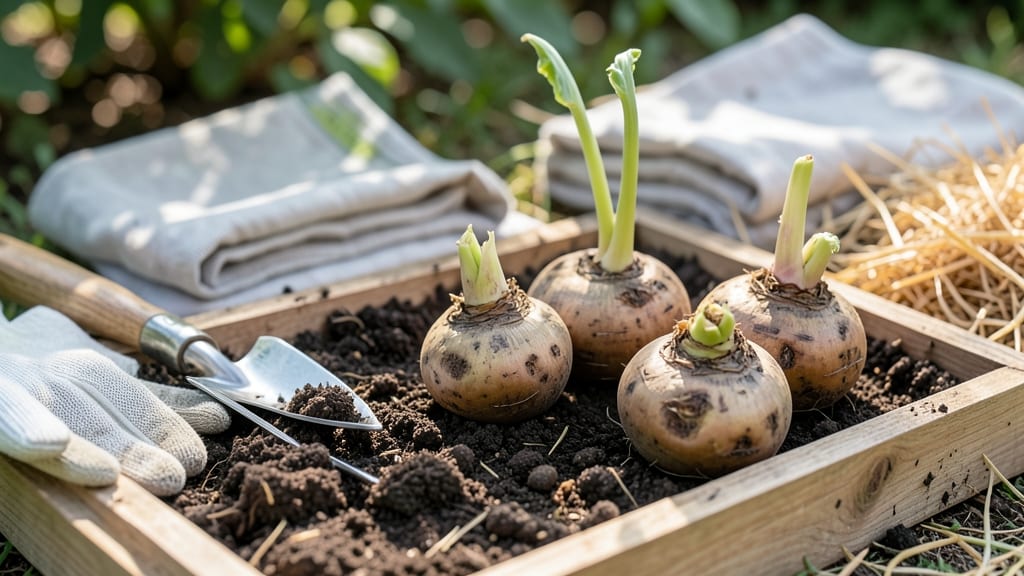
Planting dahlia tubers at the wrong time in Michigan can mean the difference between a showstopping summer garden and wasted effort.
The key to zero-frost success lies in waiting until the soil warms to 60°F—typically after your last frost date, which varies from mid-April to early May depending on your zone.
I’ve learned the hard way that rushing these delicate tubers too soon leads to stunted growth or even death when unexpected frosts hit. But with the right timing, your 🌼 dahlias will reward you with vibrant blooms from July through October.
Let’s break down exactly when to plant and how to protect your investment.
Michigan’s climate creates a narrow window for planting—too early, and cold soil shocks the tubers; too late, and you miss peak flowering season. The solution? A simple soil temperature checklist paired with regional frost date awareness. I’ll walk you through the exact steps to time your planting perfectly.
Whether you’re in the Upper Peninsula’s cooler 5b zone or the warmer 6b areas of the Lower Peninsula, these strategies will ensure your dahlias thrive. Ready to transform your garden? Let’s get started.
Michigan’s ideal soil temperature for planting dahlia tubers
Dahlia tubers need warm soil to thrive, and Michigan’s cool springs create a tight window for planting. The ideal soil temperature range is between 50–60°F, where tubers wake from dormancy without risking frost damage.
In Michigan’s USDA Zones 5b–6b, this typically aligns with mid-April to mid-May, but exact timing varies by region.
Why does soil temperature matter? Cold soil slows root growth, while overly warm soil can stress tubers before they’re ready. Michigan’s Upper Peninsula often waits until late May due to later frost dates, while the Lower Peninsula can plant as early as early April in sheltered microclimates.
A soil thermometer is your best tool for precision.
Before planting, test soil warmth for 3–5 consecutive days at 6 inches deep—the depth where dahlia roots will establish. If temps dip below 50°F, tubers may rot or fail to sprout.
Use black plastic mulch or row covers to warm soil faster in cooler zones like Traverse City or Marquette.
Here’s how Michigan’s regional frost dates impact your timing:
| Region | Last Frost Date | Ideal Planting Window | Soil Temp Check |
|---|---|---|---|
| Lower Peninsula (South) | April 15–May 1 | Mid-April to early May | 55–60°F (use thermometer) |
| Lower Peninsula (North) | May 1–15 | Late April to mid-May | 50–55°F (wait for warmth) |
| Upper Peninsula | May 15–June 1 | Late May to early June | 55–60°F (extend season) |
A soil thermometer costs under $10 and prevents costly mistakes. Insert it into moist soil at 6-inch depth and check readings mid-morning for accuracy. If temps fluctuate, aim for 3 consecutive days above 55°F before planting.
Pro tip: Warm soil faster by planting tubers on black landscape fabric or in raised beds, which heat up 2–3°F quicker than ground soil.
Michigan’s short growing season demands efficiency. Plant tubers too early, and a late frost will kill emerging shoots. Plant too late, and you’ll sacrifice peak blooms (dahlias need 90–120 days to flower).
For southern Michigan, start tubers indoors in March to jumpstart growth, while northern gardeners should wait until soil is reliably warm.
Use microclimates to your advantage. South-facing slopes or urban heat islands (like Detroit or Grand Rapids) warm up 1–2 weeks earlier than rural areas. If your yard has frost pockets, plant tubers in containers for mobility or use row covers for the first 2 weeks to protect young plants.
After planting, mulch heavily with straw or shredded leaves to maintain soil warmth and moisture. Dahlias are heat-loving but frost-sensitive—once planted, avoid disturbing the soil until shoots appear. If a late frost threatens, cover plants with frost cloth or old bedsheets at night.
Remember: Soil temperature > air temperature for dahlia success. Even if daytime highs reach 70°F, nighttime soil temps might still be too chilly. For zero-frost success, combine your soil thermometer with a frost date tracker (like the Michigan State University Garden Hotline) for localized alerts.
With the right soil warmth strategy, your dahlias will reward you with bold blooms from July to frost. Happy planting! 🌼
Step-by-step Michigan planting timeline: frost dates to flowering forecast
Timing your dahlia tubers correctly in Michigan means starting the 90-day countdown to peak blooms with precision. The process begins 4-6 weeks before your last frost date, when you should chill your tubers to mimic winter dormancy.
This pre-treatment ensures strong, healthy growth once the soil warms—critical for Michigan’s unpredictable spring weather.
Your goal is to plant when soil temperatures hit 60°F, typically aligning with Michigan’s average last frost dates of April 15–May 15. Missing this window risks stunted plants or frost damage, while planting too early can lead to rot.
Let’s walk through the exact steps to align your planting with Michigan’s climate.
🌱 Step-by-Step Planting Timeline for Michigan Dahlias
- 4-6 Weeks Before Last Frost: Chill tubers at 35-40°F in a cool, dark place (like a garage or fridge). This mimics winter dormancy and jumpstarts root growth.
- 2-3 Weeks Before Planting: Cut back any sprouts to 3-4 inches to encourage stronger root systems. This is called "hardening"—essential for Michigan’s variable spring temperatures.
- After Last Frost (Soil at 60°F): Plant tubers 4-6 inches deep, spacing them 12-15 inches apart. In cooler zones (Upper Peninsula), use black plastic mulch to warm soil faster.
- Week 1 Post-Planting: Water deeply to settle soil, then maintain 1 inch of moisture weekly. Avoid overhead watering to prevent fungal diseases common in Michigan’s humid summers.
- 60 Days After Planting: Apply a balanced fertilizer (5-10-10) to encourage blooming. This is when your dahlias will start showing visible growth, signaling they’re ready for peak care.
- 90 Days After Planting: Enjoy peak blooms from July to October! Deadhead spent flowers regularly to prolong flowering—critical for Michigan’s shorter growing season.
💡 Pro Tip: Use a soil thermometer to confirm 60°F—Michigan’s spring can be deceptive!
Michigan’s USDA zones 5b-6b create regional variations in frost dates, so adjust your timeline accordingly. For example, the Upper Peninsula’s cooler climate may delay planting until early May, while southern Michigan can start as early as mid-April. Always monitor local forecasts and soil temperatures to avoid common mistakes.
Once planted, your dahlias will thrive with full sun exposure and consistent watering. By following this timeline, you’ll ensure vibrant blooms from mid-summer through fall—making your Michigan garden the envy of the neighborhood. The key is patience and preparation, but the reward is worth every effort.
Remember, dahlias are perennials in zones 6b and warmer, meaning they’ll return year after year if properly cared for. With this timeline, you’re setting them up for long-term success in your Michigan garden. Happy planting! 🌼