
Plants
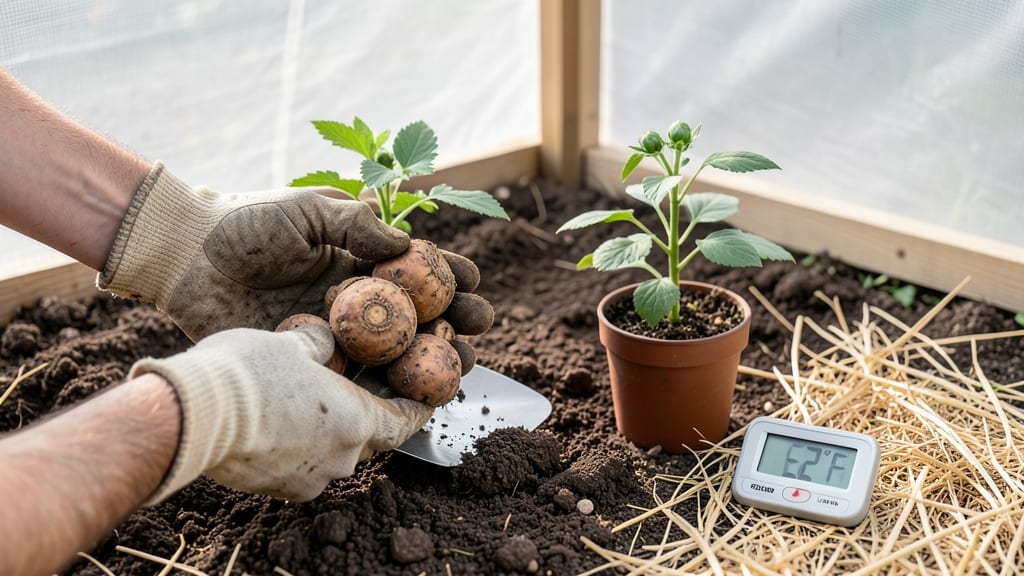
Planting dahlia bulbs in Wisconsin isn’t just about waiting for spring—it’s about catching that sweet spot between frost and warmth, or risking stunted blooms or worse. The 4b-5b zone means your 🌸 dahlia tubers need soil at 60°F+ and zero chance of frost, which typically lands between mid-April and mid-May, but Mother Nature doesn’t always follow the script.
If you’ve ever watched your dahlia buds wilt after a surprise frost or struggled with slow growth from planting too early, you know timing is everything. The key isn’t just memorizing dates—it’s reading your local microclimate, from Milwaukee’s lake-effect warmth to Madison’s cooler inland springs.
I’ll break down how to nail the window, so your dahlias burst into bloom instead of struggling to survive.
Beyond frost dates, we’ll cover how to prep your bulbs for Wisconsin’s unpredictable springs—whether that means chitting indoors, hardening off tubers, or using row covers for a head start.
Plus, I’ll share which dahlia varieties handle our short growing season best, so you’re not left with just a few sad blooms by October.
Ready to turn your garden into a 🌸 dahlia paradise? Let’s dive into the climate-smart strategies that’ll have your tubers thriving from the moment they hit the soil—no guesswork, just guaranteed blooms.
Wisconsin’s ideal dahlia planting window: frost-free dates by region
Timing your dahlia bulbs correctly in Wisconsin means the difference between vibrant blooms and frost-killed tubers. Since Wisconsin spans USDA zones 4b-5b, the ideal planting window varies by region—but all areas share one critical rule: wait until soil reaches 60°F and the last frost has passed.
This guide breaks down exact frost-free dates for Milwaukee, Madison, and Green Bay, plus how to adjust for your microclimate.
Dahlias are tender perennials that despise cold soil. Planting too early—even if the air is warm—can stunt root growth and invite rot diseases. Conversely, waiting too long risks a shorter bloom season.
The sweet spot? Mid-April to mid-May for most of Wisconsin, but local variations matter. For example, Green Bay’s cooler lakeside climate often delays planting by 1-2 weeks compared to inland Madison.
Here’s your region-specific planting timeline, based on 30-year average frost data from the Wisconsin State Climatology Office. Use these as guidelines, but always check your local frost forecast (like the National Weather Service) before planting.
| Region | Avg. Last Frost | Ideal Planting Window | Soil Temp Threshold | Microclimate Adjustments |
|---|---|---|---|---|
| Milwaukee | April 22 | May 1–15 | 60°F+ (consistent) | Add 1 week if near Lake Michigan |
| Madison | May 1 | May 10–25 | 60°F+ (consistent) | Plant 3–5 days earlier in urban heat islands |
| Green Bay | May 5 | May 15–30 | 60°F+ (consistent) | Delay by 1 week in frost pockets |
| Northern WI (e.g., Wausau) | May 10 | May 25–June 1 | 60°F+ (consistent) | Use row covers for early starts |
🌡️ Pro Tip: Test soil temp with a soil thermometer—dahlias won’t thrive below 60°F.
While frost dates give you a baseline, microclimates can shift your planting window by 1-2 weeks. For example, urban gardens in Madison may warm up faster due to concrete heat absorption, while low-lying areas near Green Bay can stay colder longer.
To account for this, monitor your garden’s specific conditions:
- South-facing slopes warm up 7–10 days earlier than flat areas.
- Nearby water bodies (lakes, ponds) delay warming by 3–5 days.
- Black plastic mulch can raise soil temps by 5–10°F, letting you plant 1 week early.
- Row covers (floating fabric) let you plant 2–3 weeks early if you’re impatient.
If you’re chitting bulbs indoors (pre-sprouting), start them 6–8 weeks before your target outdoor planting date. This gives you a 2-week head start on the season.
For Wisconsin, that means late February to early March for most regions. Place bulbs near a south-facing window or under grow lights to encourage sprouting.
One common mistake Wisconsin gardeners make is planting too deep to protect tubers from frost. Dahlias need 4–6 inches of soil coverage, but burying them deeper than 6 inches can suffocate roots.
Instead, use mulch (straw or shredded leaves) to insulate soil and retain warmth. Apply 3–4 inches of mulch once soil temps stabilize above 60°F.
For late bloomers, you can still plant dahlias in early June, but expect smaller blooms and a shorter season. If you’re in USDA zone 4b (northern WI), consider container gardening—pots can be moved indoors or under cover when frosts return in fall.
Just ensure containers have drainage holes to prevent root rot.
Track your garden’s progress with a planting journal to refine your timing each year. Note when soil hits 60°F, when sprouts emerge, and how long it takes for full blooms.
Over time, you’ll master your microclimate’s quirks and extend your dahlia season by weeks. Happy planting—your garden’s summer drama starts now! 🌸
How to prepare dahlia bulbs for Wisconsin’s unpredictable spring weather
Wisconsin’s unpredictable spring can turn your dahlia bulbs into a gamble if you’re not prepared. Cold snaps after planting or slow soil warming can stifle growth, leaving you with sad, stunted blooms. The key? A multi-step pre-planting routine that hardens tubers, warms soil, and shields young plants from late frosts.
Start by chitting bulbs indoors 4-6 weeks before your average last frost date. Place them in a bright, cool spot (60-65°F) with the neck slightly exposed. This jumpstarts sprout growth so they’re ready to hit the ground running when conditions improve.
Wisconsin’s heavy clay soil can be a major hurdle for dahlia tubers. Amend your beds with compost and perlite to improve drainage and aeration. Aim for a 6-inch-deep layer mixed into the top 12 inches of soil. Test your soil’s pH too—dahlias prefer 6.5-7.0 for optimal nutrient uptake.
⚠️ WARNING: Late Frost Risk in Wisconsin
Planting too early is the #1 mistake Wisconsin gardeners make. Even if your last frost date is April 15, a late cold snap can kill tender dahlia shoots. Use frost-free date averages as a guide, but verify with your local USDA zone and microclimate (e.g., valleys frost later than hills).
For extra protection, wait until soil temps reach 60°F (use a soil thermometer) or plant in black plastic mulch to warm the ground faster. If you’re eager to start, chit bulbs indoors and use row covers for the first 2 weeks after planting.
Once your dahlia sprouts are 2-3 inches tall indoors, it’s time to harden them off. Move them outdoors for 2-3 hours daily, gradually increasing exposure over 7-10 days.
Start with shaded spots and avoid direct sun or wind, which can shock tender stems. This acclimation process ensures your dahlias won’t bolt or wilt when transplanted.
For emergency frost protection, keep row covers or cloches on hand. Lightweight frost blankets raised on hoops can add 5-8°F of protection.
If a late frost warning hits, cover plants by sunrise and remove by 10 AM to prevent overheating. Coffee cans or plastic bottles (cut in half) also work as mini cloches for individual stems.
If your spring drags on and you miss the ideal window, don’t panic. You can still plant dahlia tubers in June, though blooms may arrive later. Choose compact varieties like ‘Karma Choc’ or ‘Thomas Edison’ for shorter stems that handle delayed starts better.
Just be prepared to extend the season with row covers in fall to protect blooms from early frosts.