
Planting
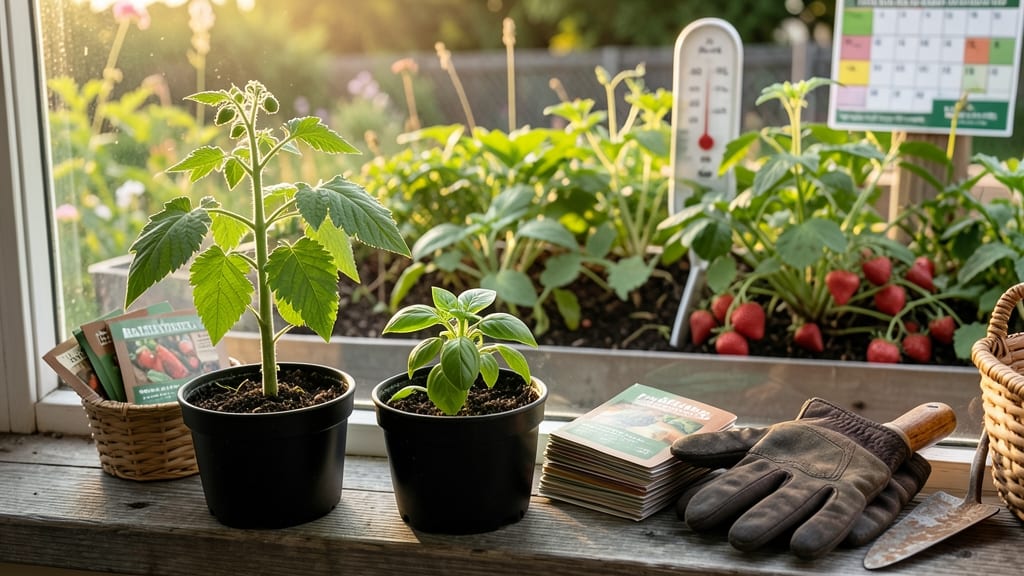
Timing your garden planting in Washington State can mean the difference between a thriving harvest and a frost-killed disappointment. With USDA Zones 5 through 9 and microclimates that shift dramatically—from the Puget Sound’s coastal chill to Eastern Washington’s dry heat—getting it wrong costs you weeks of growth.
I’ve spent years tracking frost dates and soil temperatures across the state, and here’s what I’ve learned: Planting too early in cold zones like Spokane or too late in the milder Puget Sound risks stunted crops or total failure.
The key? Aligning your schedule with local frost-free averages and adjusting for elevation changes as small as 1,000 feet.
In this guide, I’ll break down the exact planting windows for everything from cool-season greens to heat-loving tomatoes, tailored to your region. You’ll discover how to use WSU Extension resources and NOAA data to fine-tune your calendar—and avoid the most common mistakes that waste your growing season.
Ready to turn your backyard into a productive garden without the guesswork? Let’s dive into the science-backed deadlines that work for Washington’s unique climate.
Washington’s 3 key planting zones: frost dates by region (with exact deadlines)
Washington State spans USDA Hardiness Zones 7b through 9a, creating dramatic differences in frost timing. In Western WA (Seattle/Olympia), the mild maritime climate delays frost until mid-November, while Eastern WA (Spokane/Wenatchee) sees earlier frosts by late October.
The Cascades add another layer—higher elevations can freeze weeks earlier than valley floors. These variations mean your tomato seedlings might thrive in one zone but fail just 50 miles away.
To avoid frost damage, I’ve broken down the last average frost dates by region, along with cool-season vs. warm-season planting windows. Cool crops like spinach and peas can handle light frosts, while peppers and eggplants need all frost danger passed.
Use these deadlines to align your planting with Washington’s natural rhythms and maximize your harvest.
Here’s the critical frost timeline for Washington’s three key regions, including exact planting deadlines for both cool and warm-season crops:
In Western WA, where the Puget Sound moderates temperatures, you can start cool-season crops as early as mid-March. By May 15, the risk of frost drops enough to safely plant tomatoes and peppers.
I’ve even seen basil seedlings thrive when planted by late April in sheltered microclimates like Ballard or Bainbridge Island.
For Eastern WA, where cold air pools in valleys, wait until April 1 for cool crops like carrots or lettuce. Warm-season plants must wait until June 1—any earlier, and a late frost will kill tender cucumber vines.
In Wenatchee’s apple country, gardeners often use row covers to extend the season for heat-loving crops like okra or sweet potatoes.
If you live near the Cascades, elevation changes everything. At 3,000 feet, frost can arrive by early October, cutting your growing season short. Stick to fast-maturing varieties like bush beans or radishes and plant them by mid-April.
For warm-season crops, aim for June 15 to avoid frost damage to eggplant flowers.
Pro tip: Use WSU Extension’s AgWeather tool to track soil temperatures—warm-season crops like peppers need soil at 60°F+ before planting. In Seattle, soil warms to this threshold by mid-May, while in Spokane, it may not happen until late May.
Adjust your schedule accordingly to avoid stunted growth.
For cool-season crops, like spinach or peas, you can even plant a fall crop in August—they’ll mature before the first frost. In Western WA, this works beautifully, but in Eastern WA, aim for early August to avoid early frosts.
Test your soil’s readiness with a soil thermometer—cool crops thrive in 45–65°F soil.
Remember: These are average frost dates, not guarantees. Check the 10-day forecast before planting warm-season crops. I’ve lost entire tomato plants to a May frost in Olympia—don’t let that happen to you!
Use frost cloth or row covers for an extra layer of protection if you’re pushing the limits.
Now that you’ve got your region-specific deadlines, mark your calendar and start planning. Your garden’s success hinges on these dates—get them right, and you’ll be feasting on homegrown tomatoes and zucchini all summer long. Happy planting! 🌱
How to adjust planting for Washington’s microclimates (even in your backyard)
Washington’s microclimates can turn your neighbor’s thriving garden into your frost-bitten disappointment if you don’t adjust timing.
A 500-foot elevation gain in the Cascades can delay spring planting by 2-3 weeks, while urban heat islands in Seattle’s downtown might let you plant tomatoes a week earlier than in nearby suburbs. The key? Understanding how your specific backyard conditions modify regional guidelines.
Start by identifying your microclimate’s three defining factors: elevation, proximity to water, and urban development. Coastal areas like Bellingham stay cooler longer, while inland valleys like Yakima warm up faster.
Even within Spokane, north-facing slopes can be 10°F colder than south-facing ones. These variations mean you’ll need to shift planting dates by 1-4 weeks from the standard zone recommendations.
- 1. Check soil temperature (not air temp!) using a soil thermometer—most warm-season crops like basil need 60°F+ soil for 7+ days before planting.
- 2. Use NOAA’s Local Climate Data tool to find your last frost date (e.g., April 15 in Seattle vs. May 10 in Mount Vernon).
- 3. Adjust for urban heat islands: If your yard is paved or surrounded by buildings, plant heat-loving crops like okra or peppers 2 weeks earlier than rural areas.
- 4. Extend seasons with row covers: Use floating row covers to plant cool crops like lettuce 3 weeks before the last frost date.
- 5. Monitor WSU AgWeather for real-time soil warmth—their “Growing Degree Days” tool predicts when to plant tomatoes or cucumbers with precision.
For heat-loving plants like basil or sweet potatoes, consider container gardening on patios or decks. Containers warm up 5-10°F faster than in-ground soil, letting you start these crops 2 weeks earlier in cooler microclimates.
Just ensure containers have drainage holes and use heat-retentive fabrics like black plastic mulch to speed up warming.
If you’re gardening near large bodies of water (like Lake Washington), expect cooler, slower springs. Plant cool-season crops like kale or carrots 2 weeks later than inland areas, but take advantage of the longer growing season by extending harvests into November with cold frames.
Pro tip: Test your microclimate for a year by tracking when daffodils bloom (signals 50°F soil) or tomatoes ripen naturally. Adjust your planting calendar yearly—Washington’s weather patterns shift with El Niño cycles, making 2025’s frost dates unpredictable compared to 2024’s.
Remember, microclimate adjustments aren’t just about timing—it’s about plant selection too. Swap delicate lettuce for heat-tolerant Swiss chard in hot urban spots, or choose early-maturing varieties like ’Early Girl’ tomatoes for high-elevation gardens.
With these tweaks, you’ll maximize your growing season and minimize frost risks—no matter where your backyard falls on Washington’s climate map. 🌱