
Plants
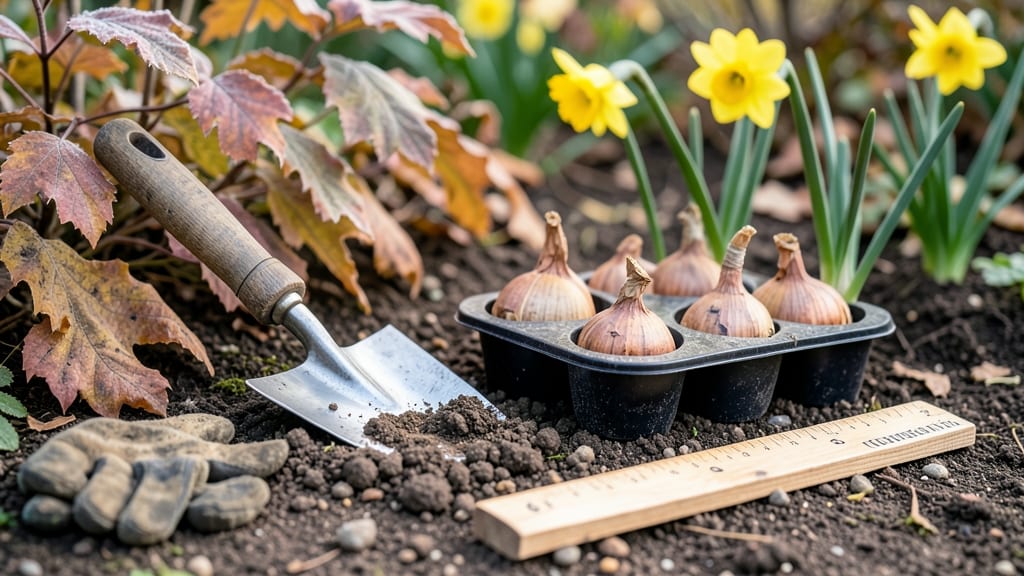
Planting daffodil bulbs at the wrong time in Indiana can mean the difference between vibrant spring blooms and wasted money. The key to success lies in understanding the exact window when soil temperatures drop but frost hasn't yet arrived.
For Indiana gardeners in USDA Zone 6a, the ideal planting window stretches from mid-October through November, giving bulbs time to establish roots before winter's chill. This timing ensures your 🌼 will push through early spring frost and reward you with cheerful blooms by April.
Why does timing matter so much? Plant too early, and bulbs may rot in warm soil; too late, and they won't develop strong roots before freezing. I'll break down the science behind these critical dates and show you how to check soil readiness for foolproof results.
Let's dive into the 5 signs your Indiana soil is perfect for planting, plus how to adjust your schedule if Mother Nature throws curveballs. Your spring garden will thank you!
Indiana’s best daffodil planting months by USDA Zone (with exact dates)
Indiana’s USDA Zones 5-6 create a unique challenge for daffodil lovers—too early, and your bulbs may rot in cold, wet soil; too late, and they won’t establish roots before winter’s chill.
The key? Planting when soil temperatures drop to 50-60°F but before the first hard frost. This window ensures bulbs root deeply while avoiding winter damage.
Most Indiana gardeners fall into Zones 5b-6a, where average first frosts hit between October 20-31. Aim to plant 6-8 weeks before frost—typically mid-October to early November. This timing gives bulbs time to root while protecting them from winter’s harshest freeze.
For Zone 5b gardeners, focus on planting between October 15-31. Northern Indiana’s colder soils mean bulbs need extra time to root before winter sets in. Use a soil thermometer to confirm temperatures are between 50-55°F—this is your green light to plant.
In Zone 6a, you have slightly more flexibility, with ideal dates stretching to November 10. Warmer soils here allow bulbs to establish roots faster, but don’t wait too long—planting after November 15 risks bulbs not rooting deeply enough before frost.
Pro tip: Mulch heavily after planting (2-3 inches of straw or shredded leaves) to insulate bulbs from temperature swings. This extra layer can mean the difference between zero-frost survival and bulb loss in Indiana’s unpredictable winters.
If you’re in southern Indiana (Zone 6a), consider planting early varieties like 'Tête-à-Tête' or 'Ice Follies' in late October. These dwarf daffodils bloom earlier and tolerate slightly warmer soils better than standard varieties.
For northern Indiana (Zone 5b), prioritize hardy varieties such as 'Thalia' or 'Carlton'. These tolerate colder soils and have proven frost resilience in Indiana’s harshest winters. Plant them 6-8 weeks before frost—typically by October 25.
One common mistake? Planting daffodils in September. While some gardeners try this for "early starts," bulbs planted too soon may sprout prematurely and get damaged by late-season heat or early frosts. Wait until soil temps drop below 60°F to avoid this risk.
Always plant bulbs 4-6 inches deep and 4-6 inches apart for optimal spacing. In Indiana’s clay-heavy soils, consider amending planting holes with sand or compost to improve drainage—a critical factor for zero-frost survival.
Remember: The goal is to have bulbs fully rooted before winter’s first hard freeze. With Indiana’s average last frost date around April 15, timing your fall planting correctly ensures your daffodils will bloom reliably every spring. 🌼
5 Critical signs your Indiana soil is ready for daffodil bulbs (and when to delay)
Indiana’s fall planting window for daffodils is tight—just 6-8 weeks before the ground freezes. Miss this, and your bulbs may sprout too early, only to be killed by winter frost.
But how do you know exactly when your soil is ready? The answer lies in temperature, moisture, and weather patterns unique to your microclimate.
First, check the soil temperature at a depth of 4-6 inches. Daffodil bulbs thrive when soil temps hover between 40°F and 60°F.
Use a soil thermometer for accuracy—Indiana’s USDA Zone 6a often hits this sweet spot in late October, but early frosts can push it to mid-November in northern regions.
Numbered-Highlights:
- 1 Soil temperature 40°F–60°F at 4" depth (use a thermometer for precision).
- 2 6-8 weeks until first hard frost (check your local frost date—typically Nov 15 in Indiana).
- 3 Moist but well-draining soil (test by squeezing—should hold shape but not be soggy).
- 4 No rain forecast for 48 hours post-planting (prevents waterlogged soil).
- 5 Clear skies for 3–5 days (allows soil to cool naturally before winter).
Next, verify your local frost date. Indiana’s average first frost falls around November 15, but count back 6-8 weeks to land on your ideal planting window. If you’re in northern Indiana (Zone 5b), aim for mid-October; southern areas (Zone 6a) can wait until late October.
Pro tip: Use the National Weather Service’s frost prediction tool for hyper-local accuracy.
Moisture matters just as much as temperature. Daffodil bulbs need well-draining soil to prevent rot—test yours by squeezing a handful. If it holds a firm shape but crumbles when released, it’s perfect.
If it’s soggy or powdery, amend with compost or sand before planting. Waterlogged soil in fall is a common mistake that leads to bulb decay.
Finally, check the 5-day weather forecast. Avoid planting if heavy rain is predicted within 48 hours—bulbs need time to settle without becoming waterlogged. Conversely, if clear skies dominate for 3-5 days, your soil will cool gradually, mimicking natural winter conditions and protecting bulbs from frost heave.
When in doubt, delay. Planting too early risks sprouting before winter sets in, while planting too late may delay spring blooms. Trust the soil temperature, frost dates, and weather patterns—your daffodils will thank you with vibrant, early spring blooms that brighten Indiana’s grayest days. 🌼