
Plants
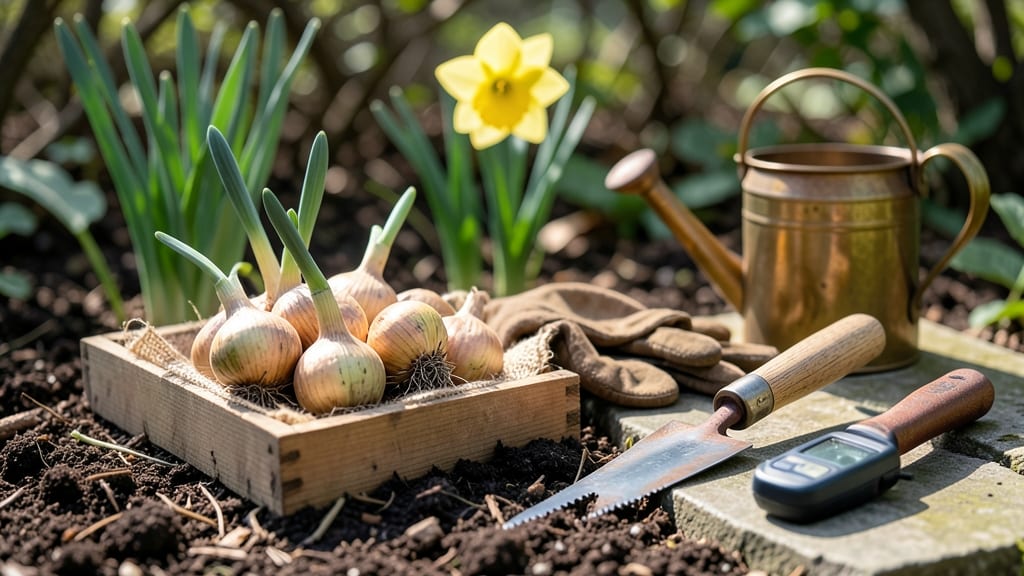
Planting daffodil bulbs at the wrong time in Massachusetts can mean the difference between a vibrant spring display and wasted effort. The secret to success lies in understanding your specific hardiness zone and acting before the ground freezes solid.
For gardeners in zones 5b-7a, the ideal window opens in October and closes by mid-November. This timing gives bulbs time to establish roots before winter's chill sets in. Miss this window, and your 🌼 daffodils may never bloom—or worse, rot in the cold soil.
I've learned the hard way that soil temperature matters more than calendar dates. Aim for planting when daytime highs stay above 50°F, typically by Thanksgiving in most of Massachusetts. The key is getting those bulbs in the ground 6-8 weeks before the first hard frost.
Don't let uncertainty hold you back—this guide will show you exactly when to plant in your specific zone, plus soil prep tips and location tricks to ensure your daffodils thrive year after year. Let's get those bulbs in the ground the right way.
Massachusetts daffodil planting calendar: exact months by hardiness Zone for maximum survival
Massachusetts gardeners face a unique challenge with daffodil planting—our USDA Zones 5b-7a bring unpredictable frost patterns that can make or break your spring blooms. The key is planting bulbs 6-8 weeks before the ground freezes, but the exact timing varies by zone.
In Zone 5b, you’ve got until mid-November, while Zone 7a gardeners can push it to early December. Miss this window, and your bulbs may rot in cold soil or fail to establish roots before winter.
Daffodils thrive when planted in 50°F soil or warmer, which typically occurs in late September to early October across most of Massachusetts. However, soil temperature thresholds can shift based on local microclimates—coastal areas stay warmer longer than inland regions.
For example, Cape Cod (Zone 7a) often has a 2-3 week later planting window compared to Western MA (Zone 5b). Always check your local frost dates to avoid planting too late.
Here’s your zone-specific planting calendar to guarantee zero-frost survival and robust blooms next spring:
| USDA Zone | Ideal Planting Month | Soil Temp Threshold | Last Planting Date | Frost Risk |
|---|---|---|---|---|
| Zone 5b (Western MA) | Late September - Mid-October | 50°F+ | November 15 | High (first frost: Oct 20) |
| Zone 6a (Central MA) | Mid-September - November | 50°F+ | November 25 | Moderate (first frost: Oct 25) |
| Zone 6b (Eastern MA) | Late September - Early November | 50°F+ | December 1 | Low (first frost: Nov 1) |
| Zone 7a (Cape Cod, Islands) | October - Mid-November | 50°F+ | December 10 | Very Low (first frost: Nov 10) |
For Zone 5b gardeners, aim to finish planting by Thanksgiving weekend—this gives bulbs 6-8 weeks to establish roots before the ground freezes.
In Zone 7a, you can stretch planting into early December, but avoid waiting past December 10, as soil temperatures drop below 40°F, increasing frost heaving risks. Use a soil thermometer to confirm temperatures before planting; 50°F+ is your target for optimal root growth.
Pro tip: If you’re in a microclimate with early frosts (like high elevations in the Berkshires), plant 2-3 weeks earlier than the zone average. Conversely, coastal areas can wait until late October or early November thanks to warmer ocean-influenced soils.
Always mulch heavily after planting—3-4 inches of straw or shredded leaves insulates bulbs and protects against winter temperature swings.
One common mistake is planting daffodils too shallow (less than 6 inches deep) or too deep (more than 8 inches). In Massachusetts’ freeze-thaw cycles, shallow bulbs are prone to frost heaving, while deep planting can delay blooming.
Use the 3x rule: plant bulbs at a depth equal to 3 times their height. For most daffodils, this means 6-8 inches deep, regardless of your zone.
If you’re late to the game and miss the ideal window, don’t panic—you can still plant daffodils in early December, but cover them with a thick layer of mulch (at least 6 inches) to insulate against cold.
Just be prepared for smaller blooms the first year, as the bulbs won’t have as much time to establish roots. For maximum bloom potential, stick to the zone-specific deadlines in the table above.
For gardeners in Zone 6a or 6b, consider layered planting to extend your bloom season. Plant a portion of bulbs in late September for early blooms, then add another batch in mid-October for later flowers. This technique creates a staggered
Critical factors that determine perfect daffodil planting time in Massachusetts
Massachusetts gardeners face a tricky balance when planting daffodil bulbs—too early, and they’ll rot in cold soil; too late, and they won’t establish roots before winter freeze.
The real secret lies in soil temperature, not just calendar months. Aim for 50°F+ soil to kickstart root growth while avoiding frost heaving later.
Your USDA Zone 5b-7a location means frost can arrive anytime after October 20. Planting too close to freeze dates risks bulbs sitting in damp soil, inviting rot diseases.
Conversely, planting too early in September when soil is still warm may cause premature sprouting, leaving tender shoots vulnerable to early frost.
Planting Daffodil Bulbs in Massachusetts: Key Factors
✅ Pros of Ideal Timing
- Root establishment: 6-8 weeks in 50°F+ soil ensures strong roots before freeze
- Frost resistance: Bulbs planted by mid-October survive Zone 5b winters without heaving
- Bloom guarantee: Proper timing = vibrant spring flowers (April-May)
❌ Risks of Poor Timing
- Early planting: Rot risk in warm soil before roots form
- Late planting: Weak roots before ground freezes (Zone 6-7)
- Frost heaving: Bulbs pushed out of soil by freeze-thaw cycles
Bulb depth matters just as much as timing. Plant daffodils 6-8 inches deep—shallower depths risk frost heaving, while deeper planting may delay blooming.
For early bloomers like 'Tête-à-Tête', plant slightly shallower (5-6 inches) to encourage earlier shoots. Late bloomers like 'Ice Follies' can go deeper (7-8 inches) for delayed emergence.
Adjust your schedule based on microclimates. Coastal areas (Zone 6-7) have milder winters—plant until November 1. Inland zones (5b) should finish by October 15. Always check your local frost date averages and plant 6-8 weeks beforehand to guarantee root establishment.
Mulch after planting with 3-4 inches of straw to insulate bulbs and regulate soil temperature. This extra layer prevents soil temperature swings that can stress bulbs. In Zone 5b, mulch especially protects against early winter freezes that might occur before Thanksgiving.
For container gardening, plant daffodils in well-draining pots by late September to avoid overwatering risks. Move containers to a garage or cold frame if nighttime temps drop below 40°F before roots establish. This gives you a 2-week buffer for late plantings.