
Plants
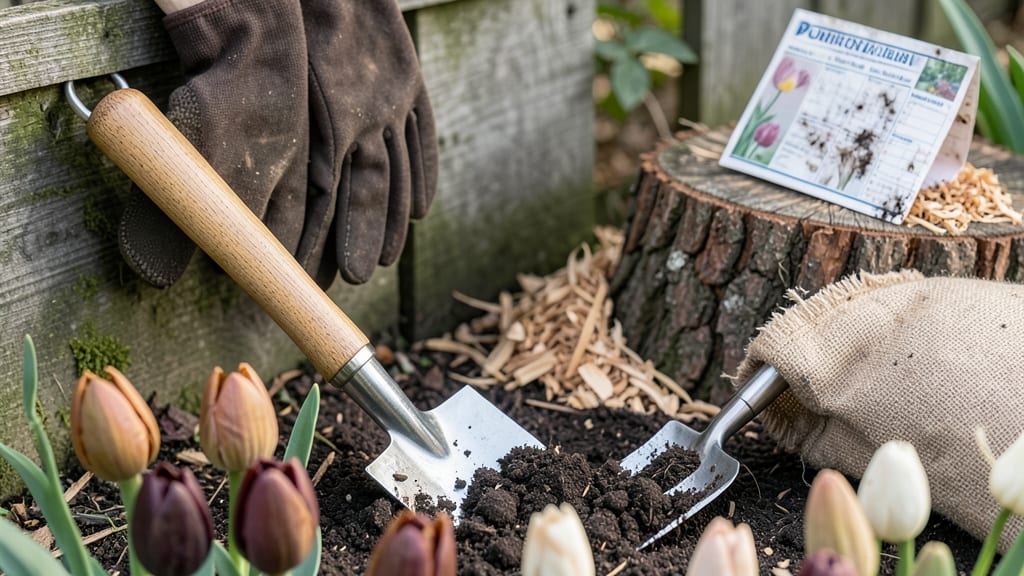
Planting bulbs at the wrong time in Portland, Oregon, can mean the difference between a garden bursting with color and a missed opportunity. With its USDA Zone 8a climate and unpredictable weather, timing is everything—especially when you want those 🌱 tulips and daffodils to bloom reliably year after year.
Most gardeners in Portland focus on fall planting, but the exact window matters. Too early, and bulbs may rot in the wet soil; too late, and they won’t establish roots before winter.
I’ll break down the ideal months for both fall and spring planting, so you can avoid common mistakes and enjoy vibrant blooms without the guesswork.
What you’ll discover is how to adjust for Portland’s microclimates—whether you’re in a sunny urban pocket or a shaded backyard—and when to prep your soil for success. No more waiting until spring to wonder if your bulbs will ever bloom!
Let’s dive into the science-backed schedule that’ll have your garden thriving, no matter what Portland’s weather throws your way.
Portland’s best bulb planting months by type (fall vs spring)
Portland’s USDA Zone 8a/8b climate creates a unique window for planting bulbs. Unlike colder regions, we can plant both fall-blooming and spring-planted varieties, but timing is everything. The key is understanding your first frost date (typically mid-November) and how it affects different bulb types.
Get this right, and you’ll enjoy blooms from early spring through late summer.
Most gardeners focus on fall planting for classic bulbs like tulips and daffodils, but Portland’s mild winters also allow for spring planting of varieties like crocus and alliums. The difference comes down to when the bulbs need to establish roots before dormancy.
Fall-planted bulbs require 6-8 weeks of root growth before freezing, while spring-planted types can wait until February or March.
🌱 Here’s the breakdown: Fall-planted bulbs (like hyacinths and tulips) need to be in the ground by mid-October, while spring-planted varieties (like alliums) can go in as late as March. Portland’s rainy winters mean we must also account for soil saturation, which can delay planting if the ground stays too wet.
🌿 Key takeaway: Use a soil thermometer to confirm the ground is below 60°F before planting fall bulbs. For spring plantings, wait until soil temperatures rise above 50°F. This ensures bulbs don’t rot in cold, soggy soil.
| Bulb Type | Planting Window | Depth | Bloom Time | Portland Tip |
|---|---|---|---|---|
| Tulips | Oct 15–Nov 15 | 6–8 inches | Spring (March–May) | Plant in well-drained soil; add compost to heavy clay. |
| Daffodils | Oct 1–Nov 15 | 6–8 inches | Spring (March–April) | Slug-resistant; mulch after planting. |
| Hyacinths | Oct 15–Nov 1 | 6 inches | Spring (April–May) | Plant in clumps for fragrance; avoid low spots. |
| Crocus | Oct 1–Nov 15 OR Feb 15–March 15 | 3–4 inches | Early Spring (Feb–March) | Spring-planted crocus blooms earlier than fall-planted. |
| Alliums | Feb 15–March 15 | 6–8 inches | Late Spring (May–June) | Drought-tolerant; full sun required. |
For fall-planted bulbs, I recommend starting in late September if your soil is workable. Use a bulb planter
How to adjust planting timing for Portland’s microclimates
Portland’s diverse neighborhoods create microclimates that can shift your bulb planting window by weeks. Urban heat islands near downtown may stay 5°F warmer than shaded yards in Southeast Portland, while windy areas like Sauvie Island require earlier planting to avoid frost damage.
Understanding these variations ensures your daffodils and tulips thrive year after year.
Start by identifying your yard’s unique conditions. South-facing slopes warm up faster in fall, while north-facing gardens stay cooler longer. Wind exposure near the Willamette River can dry out soil prematurely, while shaded areas under trees may never fully freeze.
These factors all demand customized planting timing beyond the general October window.
🌱
- 1 Check soil temperature using a soil thermometer—ideal fall planting occurs when temps hit 60°F (15°C) at 6 inches deep. In urban heat islands, this may happen as early as late September, while shaded areas might wait until mid-October.
- 2 Adjust for frost risk by planting 2-3 weeks earlier in windy areas (e.g., Sauvie Island) and 1-2 weeks later in sheltered microclimates (e.g., Forest Park). Use OSU Extension’s frost maps to refine your schedule.
- 3 Mulch strategically—apply 3-4 inches of straw in exposed areas to insulate bulbs from early frosts, while light mulch (1-2 inches) suffices in shaded spots to prevent overheating. Replenish mulch in January for extra protection.
For spring-planted bulbs like crocus or alliums, timing shifts dramatically. In sunny microclimates (e.g., Pearl District), plant as early as February 15th when soil reaches 50°F (10°C).
However, shaded or wet areas (e.g., Washington Park) may need to wait until March 1st to avoid rot from excess moisture.
Use OSU’s Garden Guide to cross-reference your neighborhood’s historical frost dates. For example, Hillsdale averages 3°F colder nights than Downtown Portland, so adjust your fall planting by 10-14 days later.
Always plant 6 inches deep—deeper in sandy soil (common in West Portland) and slightly shallower (5 inches) in clay-heavy areas (e.g., Lents).
Monitor local weather forecasts in the weeks leading up to planting. A sudden cold snap in October might push you to plant hyacinths earlier, while unseasonably warm November days could delay tulip planting by a week.
When in doubt, prioritize soil temperature over calendar dates—your bulbs will thank you with healthier blooms next spring.
🌿