
Plants
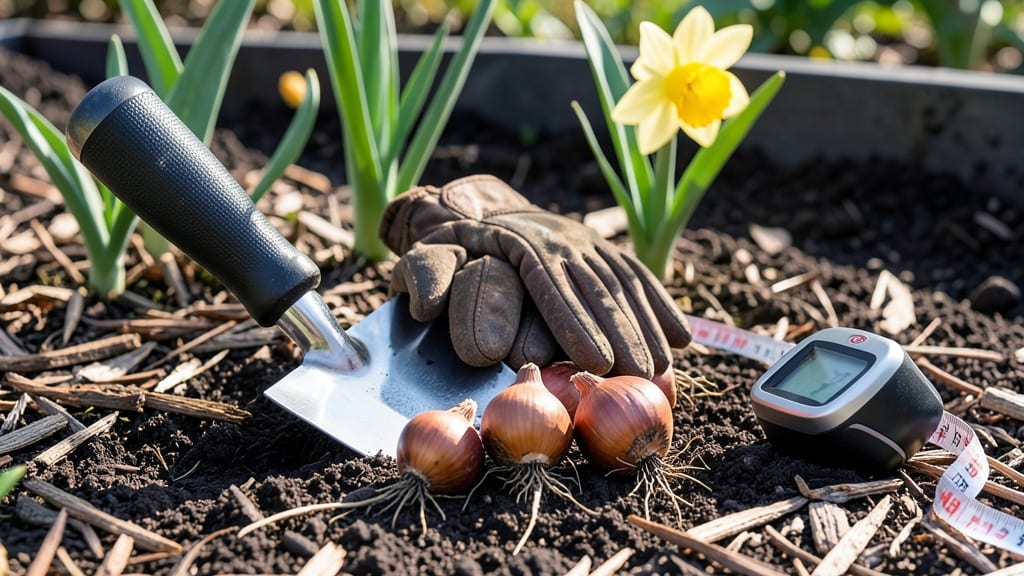
Planting your Spring-Blooming Bulbs 🌷 at the wrong time in Kansas could mean frost-damaged blooms—or worse, no flowers at all. The key to vibrant tulips, daffodils, and hyacinths next spring lies in timing your fall planting just right, when soil temps drop but hard freezes haven’t arrived yet.
In Kansas’ 5b-7a zones, the 6-week window between mid-October and mid-November is your sweet spot—but getting it wrong can spell disaster. Too early, and bulbs may sprout before winter; too late, and roots won’t establish before the ground freezes solid.
I’ll show you exactly how to read your soil and climate cues to nail the perfect moment.
Beyond the calendar, there are 3 critical signs your Kansas garden is ready: soil temperature, moisture levels, and bulb condition. Skipping these checks is how gardeners accidentally plant too deep, too shallow, or at the wrong time—leading to weak stems or no blooms at all.
Once you’ve planted, the work isn’t over. Mulching, watering schedules, and winter protection hacks will ensure your bulbs survive Kansas’ unpredictable freezes and emerge stronger than ever. Let’s break down the exact steps to turn your fall planting into a spring spectacle.
Kansas planting zones & best months for bulb success
Kansas spans USDA Hardiness Zones 5b through 7a, creating distinct planting windows for spring-blooming bulbs like tulips, daffodils, hyacinths, and alliums. The North (Zone 5b) faces earlier frosts, while the South (Zone 7a) enjoys later planting opportunities.
Getting the timing right means roots establish before winter, ensuring robust blooms next spring.
In my experience, October through November is the ideal window for most Kansas gardeners, but exact dates depend on your microclimate and bulb type. For example, tulips need cooler soil to trigger blooming, while daffodils are more forgiving with later plantings.
Let’s break down the zone-specific months and how to adjust for Kansas’ unpredictable winters.
Pro Tip: Use the 10°F soil temperature rule—plant when soil temps consistently drop below 50°F at night. This ensures bulbs won’t sprout too early and get fried by frost. In Kansas, this usually aligns with mid-October in the North and early November in the South.
| Kansas Zone | Best Planting Month | Soil Temp Threshold | Bulb Examples | Frost Risk |
|---|---|---|---|---|
| Zone 5b (North) | Mid-October | 50-55°F | Tulips, Hyacinths | High (earlier frost) |
| Zone 6a (Central) | Late October | 50-58°F | Daffodils, Alliums | Moderate |
| Zone 7a (South) | Early November | 55-60°F | Tulips, Grape Hyacinths | Low (later frost) |
| Adjust for Early/Late Winters: Plant 2-3 weeks earlier if your area had an early frost last year. | ||||
If you’re in Zone 5b (North Kansas), aim for mid-October to give bulbs time to root before the ground freezes. I’ve seen tulips planted in late November survive, but they often produce smaller blooms the following year.
For Zone 7a (South Kansas), you can push planting to early November without risking frost damage.
For early bloomers like crocus, plant as soon as soil is workable in September. These hardy bulbs tolerate cooler temps and can even bloom through light snow. Meanwhile, late-blooming tulips (like ‘Darwin Hybrids’) benefit from November plantings in warmer zones.
Kansas’ unpredictable winters mean you might need to adjust. If your area had an early frost in October, plant bulbs 2-3 weeks earlier the following year.
Conversely, if winters are mild with late frosts, you can extend planting into early December—just ensure soil temps stay above 40°F.
Don’t forget to test soil moisture before planting. Bulbs need consistent moisture to root but will rot in waterlogged soil. In Kansas’ dry climate, I recommend amending soil with compost to improve drainage and water retention.
This is especially critical for clay-heavy soils common in the eastern part of the state.
Once planted, mulch heavily (3-4 inches) with straw or shredded leaves to insulate bulbs from temperature swings. In my garden, this extra layer has doubled bulb survival during freeze-thaw cycles. Remove mulch in early spring to prevent rot from excess moisture.
Finally, label your bulbs if you’re experimenting with varieties. Kansas’ variable microclimates mean some bulbs thrive in your sunniest spot while others struggle. Keep notes on what works best in your specific zone—this becomes your goldmine for future plantings.
With these zone-specific guidelines, your Kansas garden will burst with colorful spring blooms year after year—no frost damage in sight! 🌷
5 Signs your Kansas bulbs are ready to plant (avoid common mistakes)
Planting bulbs at the right time in Kansas means the difference between vibrant spring blooms and wasted money. Most gardeners focus on the calendar, but soil conditions and bulb readiness matter just as much.
I’ve learned the hard way—skipping these checks can lead to rot, frost damage, or no flowers at all. Here’s how to get it right every time.
First, check your soil temperature. The ideal range for planting is between 50-60°F. In Kansas, this usually falls in October or early November, but don’t guess—use a soil thermometer.
Cold soil slows root growth, while warm soil can trigger premature sprouting. I once planted daffodils in mid-November when the soil was still 45°F, and they barely survived the winter.
Next, examine your bulb condition. Healthy bulbs should feel firm, not mushy or shriveled. If you see soft spots or mold, toss them—they won’t thrive. Also, check for dry roots at the base; these should be plump, not brittle.
I saved a batch of tulips last year by soaking them in lukewarm water for 2 hours before planting, which revived some that looked questionable.
⚠️ callout-warning
🚨 3 Fatal Errors Kansas Gardeners Make
1. Planting too deep – Bulbs need 3x their height in soil, but 6+ inches is common for most varieties. I’ve seen gardeners bury them 8+ inches deep, and the tops never emerge.
2. Skipping drainage – Clay-heavy Kansas soil can drown bulbs. Always plant in raised beds or amend soil with compost/sand if your yard holds water.
3. Ignoring moisture levels – Soil should be moist but not soggy at planting. Overwatering in fall can cause rot before winter sets in.
Moisture is another critical factor. Before planting, your soil should be evenly moist—not bone-dry or waterlogged. Stick your finger 2 inches deep; if it feels dry, water the area 24 hours ahead of planting.
I test this by digging a small hole and checking for dampness. If the soil crumbles easily, it’s too dry; if it sticks to your hands, it’s too wet.
Look for signs of dormancy in your bulbs. The best ones have no green shoots and feel dormant. If you see tiny sprouts, plant them immediately—they won’t wait. Last fall, I accidentally stored some hyacinths in a cool basement too long, and they sprouted before I planted them.
I still got blooms, but they were smaller and weaker.
Finally, time your planting with Kansas’ first frost date. Aim to plant 4-6 weeks before the average frost (usually mid-October in most of the state). In northern Kansas (Zone 5b), this might mean early October, while southern areas (Zone 7a) can wait until November.
Use your local cooperative extension service for precise dates—don’t rely on last year’s frost alone.
When you’ve checked all five signs—soil temp, bulb condition, moisture, dormancy, and frost timing—you’re ready to dig.
Planting at the right time isn’t just about the calendar; it’s about giving your bulbs the best shot at surviving Kansas’ unpredictable winters and delivering those show-stopping spring blooms you’ve been dreaming of. 🌷