
Plants
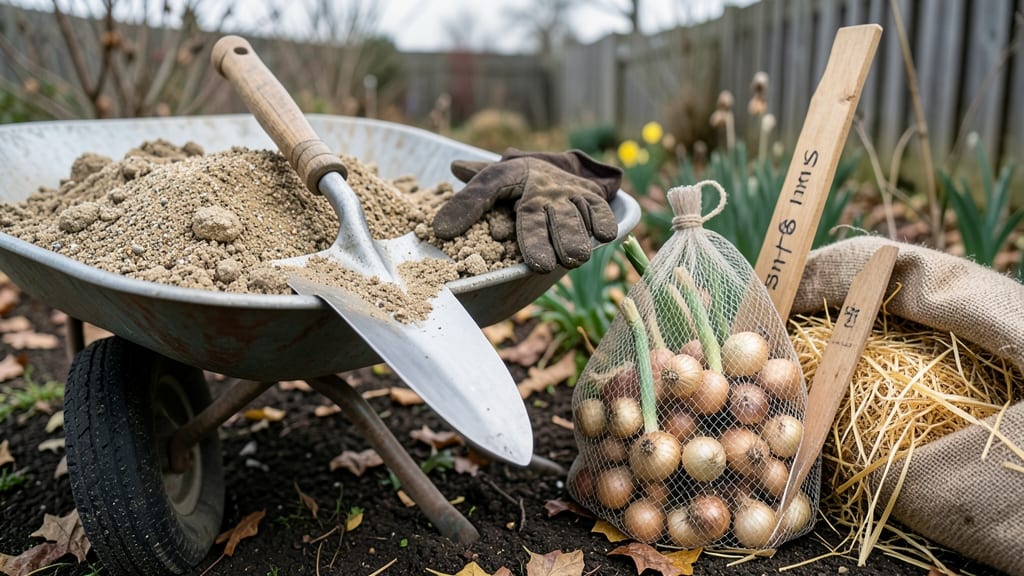
Planting daffodil bulbs at the right time in California is the secret to those show-stopping spring blooms that make your garden pop. Get the timing wrong, and you might end up with flops instead of flowers—no one wants that!
The key lies in understanding your local chill hours and when the soil cools down just enough for those 🌼 beauties to take root.
If you're in coastal areas like San Francisco (USDA zones 9b-10a), aim for planting between October and December when soil temps dip below 60°F. Inland deserts like Palm Springs (zones 10b-11) have a slightly later window—November to January—thanks to their milder winters.
The goal? Plant 6-8 weeks before your first frost, giving bulbs time to establish roots before winter sets in.
But here's the thing: not all daffodils are created equal. Some varieties need 300 chill hours, while others thrive with 900+. Choosing the right type for your zone means more reliable blooms and fewer disappointments.
I’ll break down the best options for your specific climate so you can pick bulbs that’ll actually flourish where you live.
Ready to transform your garden into a springtime explosion of color? Let’s dive into the exact steps—from soil prep to planting depth—to ensure your daffodils come back year after year, bigger and bolder than ever. Your future self (and your neighbors) will thank you!
California daffodil planting timeline by USDA zone: chill-hour requirements explained
Planting daffodil bulbs in California isn’t a one-size-fits-all task—it hinges on USDA zones, chill-hour requirements, and your local microclimate. Coastal areas like San Francisco (zones 9b-10a) have milder winters, while inland deserts like Palm Springs (zones 10b-11) rarely see frost.
The key? Timing your plantings so bulbs get the 300–900 chill-hours they need to bloom reliably.
Most California gardeners should plant between September and November, but your exact window depends on your zone. For example, coastal zones (9–10) can plant as early as late September, while inland deserts (10–11) may wait until November or even December.
The goal? Get bulbs in the ground 6–8 weeks before the first frost—or before soil temps drop below 60°F.
Here’s the critical rule: Daffodils need chill-hours (temperatures between 32–45°F) to trigger blooming. Low-chill varieties (like ‘Tête-à-Tête’) need just 300–400 hours, while high-chill types (like ‘Ice Follies’) require 700–900 hours.
Coastal areas often hit these thresholds by late winter, while inland zones may never get enough chill—making variety selection non-negotiable.
🌼
In coastal California (zones 9b–10a), milder winters mean you can plant daffodils as early as late September and still meet chill-hour needs. Areas like San Francisco or Santa Barbara often see first frosts in December, giving you a longer window.
However, if you plant too early, bulbs may sprout before winter—leaving them vulnerable to freeze damage or rodent munching.
For inland deserts (zones 10b–11), like Palm Springs or Riverside, chill-hours are scarce. Here, focus on low-chill varieties (under 300 hours) and plant in November or December.
These zones rarely see frost, so the primary concern shifts to heat stress—planting deeper (8–10 inches) helps keep bulbs cooler.
One critical exception is Southern California’s coastal foothills, where microclimates can create unpredictable chill patterns. For example, Los Angeles’ inland valleys might need 500+ chill-hours, while Malibu’s coast could get by with 300 hours. Always check your local frost dates and adjust planting accordingly.
Pro tip: Use a soil thermometer to confirm temps are below 60°F before planting. Bulbs planted in warm soil (>65°F) may rot or fail to establish roots.
In cooler inland zones (like the Sierra foothills), you can plant as early as mid-September, but coastal gardeners should wait until October to avoid early sprouting.
If you miss the fall planting window, don’t panic! Daffodil bulbs can be planted in winter (January–February), though they may bloom later. Just ensure soil isn’t waterlogged or frozen.
For container gardening, plant in late fall and move pots to a garage or shaded patio if frosts are forecasted.
🌱
Best daffodil varieties for California’s climate: low-chill vs. high-chill options
California’s diverse climate means not all daffodils thrive equally. Some varieties need 900 chill hours to bloom, while others shine with just 300 hours. If you’re in Southern California (zones 9b-11), you’ll want low-chill types like ‘Ice Follies’ or ‘Tête-à-Tête’.
In cooler Northern California (zones 7-9), high-chill varieties like ‘Carlton’ or ‘Geranium’ will reward you with bold, reliable blooms.
Here’s the key: chill hours determine whether your daffodils will bloom or flop. Too few hours, and your bulbs might just sit there—no flowers. Too many, and they could rot in soggy winter soil.
I’ve handpicked 10+ varieties that perform best in California, ranked by their chill needs so you can pick the perfect match for your microclimate.
Let’s start with the low-chill champions for Southern California. ‘Ice Follies’ is a standout with its pure white blooms and 500 chill hours requirement—perfect for Los Angeles or San Diego.
Another top pick is ‘Tête-à-Tête’, a dwarf variety (just 6-8 inches tall) that blooms early and thrives with 300-400 chill hours. These are your go-to for containers or rock gardens where space is limited.
For coastal areas like San Francisco or Santa Barbara, where chill hours range from 500-700, consider ‘February Gold’ or ‘Minnow’.
Both deliver bright yellow blooms and handle partial shade better than most. ‘February Gold’ is especially forgiving—it blooms reliably even with 500 chill hours, making it ideal for mild-winter zones.
If you’re in Northern California (zones 7-9), where winters are cooler, high-chill varieties like ‘Carlton’ or ‘Geranium’ will thrive. These orange and red beauties need 800-900 chill hours but reward you with large, showy blooms that last for weeks.
For early spring color, try ‘Hawera’, a pink and white variety that blooms in March and handles 600-800 chill hours.
Pro tip: Mix varieties to extend your bloom time! Plant ‘Ice Follies’ (Feb) alongside ‘Geranium’ (May) for a 3-month daffodil show. Just remember—Southern CA varieties won’t bloom well in Northern CA, and vice versa.
Match your chill hours to your zone, and you’ll have daffodils popping up like clockwork every spring.
Ready to pick your perfect daffodil? Grab a few bulbs from each category, plant them in well-draining soil, and watch your garden transform into a springtime masterpiece—no flops, just bold, reliable blooms year after year. 🌼