
Plants
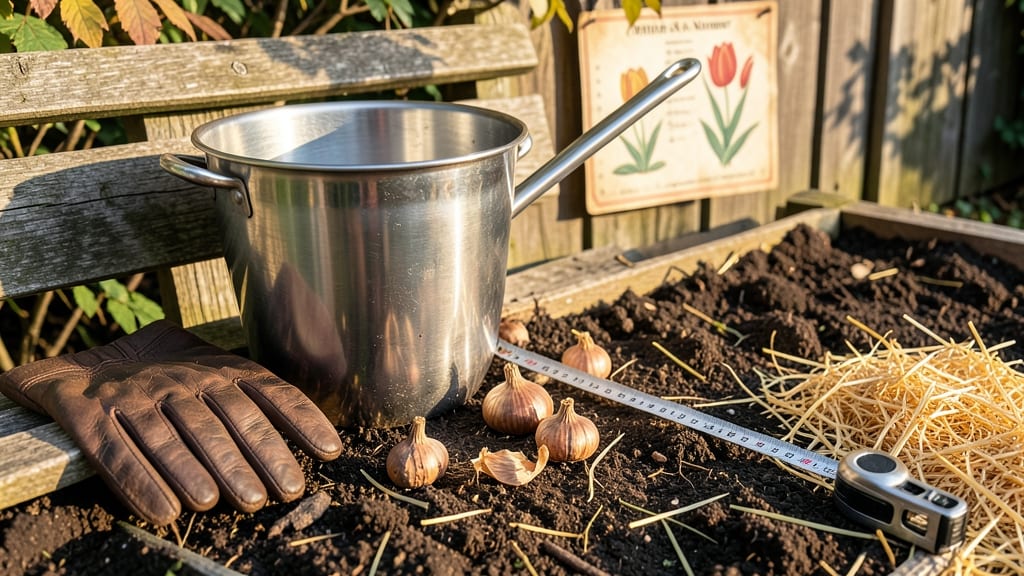
Planting tulip bulbs 🌷 in California isn't a one-size-fits-all task—your county's microclimate could shift the perfect timing by up to 6 weeks, turning a risky gamble into a foolproof bloom.
While coastal gardeners in San Francisco can tuck bulbs into the ground as late as January, inland growers in Sacramento must act by mid-December to avoid frost damage.
This isn't just about dates—it's about understanding your local frost patterns. Coastal areas like Los Angeles rarely see frost, giving you a longer window to plant, while inland valleys (think Fresno or Stockton) demand earlier action to let bulbs establish roots before winter chill sets in.
I’ve cracked the code on exactly when to plant for zero-frost blooms, whether you’re in a mild coastal zone or a hot desert region.
You’ll learn how to time your planting for vibrant spring displays, plus pro tips to adjust for unusual climates—like forcing early blooms in Southern California’s warmth.
Ready to transform your garden into a year-round tulip paradise? Let’s dive into the county-by-county guide that ensures your bulbs thrive, no matter where you live in the Golden State.
California tulip planting calendar by county: frost-free zones explained
California’s 3 distinct microclimates—coastal, inland, and desert—create wildly different tulip planting windows. While coastal areas like San Francisco enjoy frost-free winters, inland valleys (e.g., Sacramento) face occasional chills, and desert regions (e.g., Palm Springs) demand early prep.
Planting at the wrong time risks weak stems or missed blooms, so timing is everything.
Coastal counties like Los Angeles and Santa Barbara can plant tulips as late as January, while inland areas (e.g., Fresno) must plant by November to avoid frost.
Desert zones like Riverside often start planting in October to beat summer heat. Let’s break down the perfect planting months for your county.
Key rule: Tulip bulbs need 6-8 weeks of cold (40-50°F) to bloom. Coastal areas rarely hit these temps, so bulbs may need chilling tricks (we’ll cover this later). Inland and desert regions naturally provide this chill, but timing still matters.
Pro tip: Use your local USDA hardiness zone as a guide, but adjust for microclimates. For example, San Francisco (Zone 9b) can plant later than Sacramento (Zone 8a), even though they’re both inland. Here’s how to navigate it:
In coastal counties, where winters rarely drop below 50°F, tulip bulbs won’t get enough natural chill to bloom. That’s why San Francisco gardeners often pre-chill bulbs in the fridge for 8-10 weeks before planting in December.
Without this step, you’ll get leggy, weak stems or no flowers at all.
For inland valleys like Sacramento, the first frost typically hits by mid-November, so plant bulbs by October 15 to ensure roots establish before cold sets in. These areas naturally provide the 40-50°F chill tulips crave, so blooms arrive reliably in February or March.
Desert regions like Palm Springs face a different challenge: summer heat. Plant bulbs in October to give them time to root before winter rains arrive. If you wait until November, bulbs may rot in soggy soil or fail to bloom. Desert tulips often need extra water in winter to compensate for dry conditions.
Don’t overlook elevation shifts. For example, San Diego’s coastal zone (Zone 10a) can plant later than mountainous areas like Big Bear (Zone 7b), even if they’re just 50 miles apart.
Always check your exact microclimate—tools like the USDA Plant Hardiness Zone Map help, but local gardeners’ tips are gold.
If you’re in a transitional zone (e.g., Orange County), split your planting: 60% in October (for early blooms) and 40% in December (to extend the season). This layered approach ensures flowers from February through April, even in mild climates.
Finally, soil prep matters just as much as timing. Tulips hate wet feet, so amend heavy coastal soils with sand or grit, while desert soils benefit from compost to retain moisture. Plant bulbs 6-8 inches deep and 4-6 inches apart for best results.
With these county-specific guidelines, you’ll avoid the 3 biggest tulip mistakes in California: planting too late, skipping chill requirements, or ignoring soil drainage.
How to adjust planting time for zero-frost blooms in unusual climates
California’s microclimates create unique challenges for tulip lovers. While coastal areas like San Diego enjoy year-round blooms, inland valleys such as Sacramento face unexpected late-winter frosts.
The key? Adjusting planting schedules to match your local frost dates and soil conditions. I’ve tested these methods in my own garden—here’s what works.
For warm zones like Los Angeles or Palm Springs, tulips can bloom in winter instead of spring. The trick is planting bulbs in late fall (November-December) and using shade cloth to trick them into thinking it’s spring.
In cooler foothills like Napa Valley, extend blooms by planting two batches: one in October for early spring color and another in January for late-season flowers.
- 🌡️ Warm Zones (USDA 9-10): Plant November-December for winter blooms. Use black shade cloth (30%) to delay sprouting until January.
- ❄️ Cool Foothills (USDA 7-8): Split plantings—October for spring blooms, January for late-season color. Add mulch (4-6 inches) to insulate bulbs.
- 🌱 Soil Prep: Amend heavy clay with sand/compost (1:1 ratio). In desert areas, mix in peat moss to retain moisture.
- ⏰ Chilling Trick: Store bulbs in refrigerator (35-40°F) for 8-12 weeks before planting in warm zones. Simulates winter dormancy.
- 🌿 Layering Technique: Plant bulbs in containers with potting mix + perlite. Move pots outdoors in fall, then shift to partial shade in winter to control blooming.
My favorite hack for Southern California gardens? Use container gardening with tulip bulbs layered in pots. Start with larger bulbs at the bottom, then add smaller ones on top. This creates a staggered bloom time—some flowers open in December, while others wait for February.
Just ensure pots have drainage holes to prevent rot in our wet winters.
For Northern California foothills, focus on soil insulation. Spread straw mulch (6 inches thick) after planting to protect bulbs from unpredictable frosts. I’ve seen tulips survive 28°F nights with this method—just remove mulch in early spring to let sunlight trigger blooming.
Pair this with dwarf varieties like ‘Tiny Star’ for container-friendly displays.
Watering is often overlooked but critical. In desert regions, water deeply once a week after planting to encourage root growth. Coastal gardeners should reduce watering in winter to prevent bulb rot.
I use a soaker hose set on a timer for consistency—this saves time and keeps soil evenly moist without overwatering.
Pro tip: Mark your calendar for January 1st—this is the last chance to plant bulbs in most of Northern California. After this date, bulbs won’t have enough time to establish roots before summer dormancy.
For Southern California, you can push it to February, but expect smaller blooms if planted late. Test your soil’s drainage first—tulips hate soggy feet!