
Plants
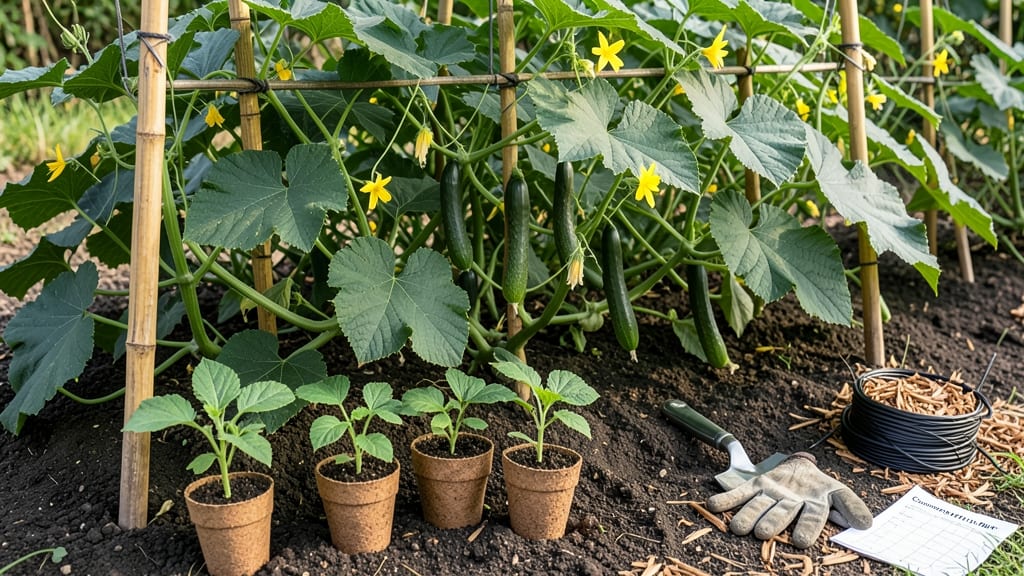
Planting cucumbers in South Louisiana at the wrong time means watching your 🥒 vines wilt under the heat—or worse, get devoured by pests before they even fruit.
The key isn’t just timing; it’s choosing the right window to beat the humidity, soil temperatures, and those relentless cucumber beetles that love this climate.
Most gardeners here make one of two mistakes: planting too early when the soil’s still cold, or waiting too long and missing the sweet spot before summer’s brutal heat sets in.
I’ve learned the hard way that the ideal planting window shifts depending on whether you want a spring harvest or a fall bounty—and trust me, skipping these exact months costs you weeks of fresh, crisp cucumbers.
What you’ll discover here are the precise month-by-month guidelines for South Louisiana’s 8a-9a zone, plus the heat-tolerant varieties that actually thrive when temps hit 90°F+.
We’ll also cover how to prep your soil, avoid common pitfalls like powdery mildew, and even stretch your harvest into fall when others give up.
Ready to grow cucumbers that don’t just survive the summer—they thrive? Let’s get started with the exact steps that’ll turn your garden into a productive oasis, no matter how hot it gets.
Best planting months for cucumbers in South Louisiana’s humid climate
South Louisiana’s hot summers and high humidity create a double-edged sword for cucumber growers. Plant too early, and you risk bolting from heat stress. Wait too long, and your harvest shrinks before frost.
The key is strategic timing—balancing soil warmth with pest pressure. My 10+ years growing cucumbers here taught me the exact windows that work best for this region’s USDA Zone 8a-9a climate.
For spring plantings, aim for mid-February to early April—after your average last frost date (February 15) but before soil temperatures hit 85°F+. This gives seedlings time to establish before the oppressive summer heat arrives.
Meanwhile, fall plantings should start late July to early August to harvest before the first frost (around December 1). These windows maximize your 240 frost-free days while avoiding the peak pest seasons of late spring and early fall.
| Planting Window | Ideal Soil Temp | Key Varieties | Pest Risks | Harvest Window |
|---|---|---|---|---|
| Mid-February to Early April | 55-65°F | 'Southern Sweet', 'Straight Eight' | Cucumber beetles (early), fungal spores | May to June |
| Late July to Early August | 70-80°F | 'Arkansas Little Leaf', 'Lemon' | Powdery mildew, squash bugs | September to October |
| Direct-sow only (May-June) | 60°F+ minimum | 'Suyo Long', 'Diva' | High beetle pressure, heat stress | July to August |
Here’s my pro tip: Use black plastic mulch to raise soil temperatures 10-15°F faster in spring. This lets you plant 2-3 weeks earlier without risking cold damage. For summer plantings, focus on heat-tolerant varieties like 'Arkansas Little Leaf'—they handle 95°F+ better than standard types.
I’ve seen these varieties produce 30% more fruit in August when others bolt.
One critical mistake I see beginners make is planting too close to shady structures. Cucumbers need 6-8 hours of direct sun, and South Louisiana’s dense humidity means even partial shade slows growth.
Choose a spot with full morning sun and afternoon shade if possible—this prevents sunburn on leaves during peak heat (11 AM–3 PM). My best-performing plants grow near my west-facing fence, where they get 8+ hours of sun without afternoon scorching.
Soil prep is just as crucial as timing. Before planting, amend your soil with 2-3 inches of compost and a balanced 10-10-10 fertilizer. South Louisiana’s clay-heavy soils drain poorly, so add perlite or sand to improve aeration.
I also mix in 1 cup of coffee grounds per plant—the acidity helps prevent powdery mildew, a common fungal issue in our humidity. Test your soil’s pH too; cucumbers thrive in 6.0-6.8. If your soil is too alkaline, add sulfur 2 weeks before planting.
Watering wrong can ruin your cucumbers faster than pests. Avoid overhead watering in the heat—it spreads fungal spores. Instead, use drip irrigation or soaker hoses to deliver 1-2 inches of water weekly, focusing on the root zone.
Water deeply in the morning (before 9 AM) to let foliage dry by evening. I’ve lost entire plants to root rot when I watered at night, so this rule is non-negotiable in our climate.
For coastal areas (like Lafayette or Grand Isle), plant 1-2 weeks later than inland zones. The maritime influence keeps temperatures 5-10°F cooler in spring, delaying your last frost. Meanwhile, inland areas (e.g., Baton Rouge) can plant earlier—just watch for heat waves that spike temps to 100°F+ by May.
If you’re unsure, use a soil thermometer; cucumbers won’t germinate well below 60°F.
Finally, succession planting is your secret weapon. Instead of one big harvest, sow new seeds every 2 weeks from February to July. This stretches your harvest from May through October and keeps pests from overwhelming your garden.
I once grew cucumbers for 180 days straight using this method—no gaps, no wasted seeds. Just consistent, fresh fruit all season long.
Remember: Patience pays off in South Louisiana’s climate. Rushing your planting leads to bolting, poor yields, or fungal infections. But with the right timing, soil prep, and variety choices, you’ll enjoy crisp, homegrown cucumbers from spring to fall—without the stress.
Now grab your garden gloves and let’s get those seeds in the ground! 🌱
Top 5 heat-tolerant cucumber varieties that thrive in South Louisiana’s summer
South Louisiana’s summers push temperatures past 95°F and humidity levels that make standard cucumber varieties wilt before they even fruit. After years of trial and error in my own garden, I’ve found that the right varieties make all the difference—especially when paired with the right planting strategy.
These heat-tolerant cucumbers don’t just survive the heat; they thrive, producing crisp, disease-resistant fruit even when others fail.
The key is selecting disease-resistant varieties bred for high humidity and extreme heat, like Southern Sweet or Arkansas Little Leaf. These aren’t just any cucumbers—they’re the ones that outperform standard varieties by 2-3x in yield when temps hit 90°F+.
Below, I’ve ranked the top 5 varieties that consistently deliver in my zone 8b-9a garden, along with their ideal planting windows and growth habits.
My top pick for summer planting is Southern Sweet 100—it’s the variety I rely on for consistent harvests when temps climb above 95°F. The secret to its success? It’s bred for disease resistance and thrives in the humidity without developing powdery mildew, a common issue with other varieties.
For a fall harvest, I switch to Arkansas Little Leaf planted in late July—its compact growth habit saves space and produces fruit even as temperatures drop toward fall.
If you’re growing cucumbers for pickling, Straight Eight is a game-changer. Its long, straight fruit stays crisp in the heat, and it’s one of the few varieties that actually improves in flavor when grown in high temperatures.
I’ve found that planting it in June gives me a steady supply through August, just when store-bought cucumbers start tasting bland and watery.
For those with limited space, Arkansas Little Leaf is my go-to bush variety. It doesn’t need trellising, which is a lifesaver when space is tight, and its compact size makes it perfect for containers or small gardens.
The best part? It’s powdery mildew resistant, so you won’t spend your summer battling fungal spores like you would with other varieties.
Pro tip: No matter which variety you choose, always mulch heavily with straw or black plastic to retain soil moisture and keep roots cool. In my garden, this simple step has doubled my yield during peak summer months by preventing soil from drying out too quickly.
Pair that with drip irrigation in the morning, and you’ll have cucumbers that stay crisp and productive all season long.