
Plants
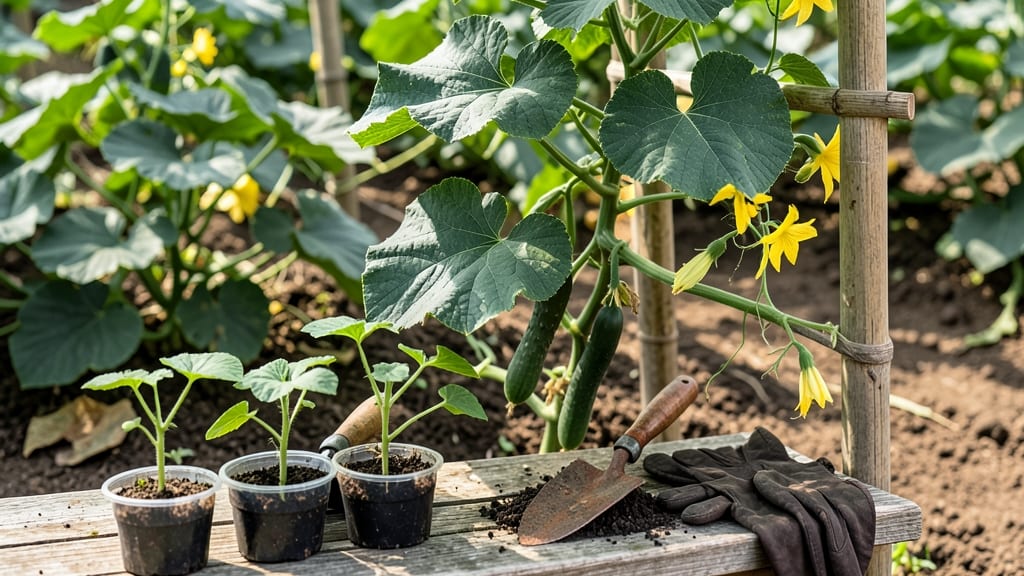
Planting cucumbers in Portland, Oregon, isn’t just about waiting for spring—it’s about timing them perfectly to beat the city’s unpredictable frost dates and summer heatwaves. With the right schedule, you can enjoy crisp, vine-ripened 🥒 from June through September, even in Zone 8a’s cooler microclimates.
Most gardeners here make the mistake of planting too early, only to watch their seedlings wilt in late frosts or bolt in July’s sweltering temps. But by focusing on soil temperatures (aim for 60°F+) and local frost patterns, you can sidestep these pitfalls entirely.
I’ll show you exactly when to start seeds indoors or direct-sow outdoors for foolproof results.
Whether you’re a first-time grower or a seasoned Portland gardener, this guide breaks down the ideal planting windows—from mid-April to early June for spring harvests or late July for a fall crop.
You’ll also discover how to extend your season with row covers and mulch, ensuring your cucumbers thrive when others fail.
Ready to grow cucumbers that actually produce? Let’s dive into the microclimate secrets that’ll keep your plants happy from seed to harvest—no more guesswork, just guaranteed success.
Portland’s cucumber planting zones: last frost dates by microclimate
Portland’s USDA zones 8a and 8b (with pockets of 9a in urban heat islands) create a unique challenge for cucumber growers. The city’s microclimates—like the cooler Willamette Valley and warmer East Portland neighborhoods—can shift planting windows by 2-3 weeks.
Understanding these variations ensures your cucumbers thrive without frost damage or heat stress.
Cucumbers need soil temperatures above 60°F to germinate properly. In Portland, this typically aligns with mid-April to early May, but urban heat islands like Hawthorne or Sellwood may hit this threshold 1-2 weeks earlier than rural areas.
Meanwhile, cooler pockets near the Columbia River Gorge might delay planting until late May.
Here’s how Portland’s microclimates impact your planting timeline, including last frost dates and soil temperature thresholds:
For fall harvests, aim to plant cucumbers by late July in urban areas or early August in cooler zones. This gives plants 60-70 days to mature before the first frost (mid-October). Use row covers or cold frames to extend your season by 2-3 weeks in fall.
Soil temperature is just as critical as air temperature. Use a soil thermometer to confirm readings—cucumbers won’t germinate below 60°F. If your soil is still cold, try black plastic mulch or straw bales to warm it faster.
In urban areas, concrete and pavement can create heat islands, so monitor soil temps closely.
Portland’s unpredictable spring weather means frost can linger until May 10 in some areas. To protect young plants, use frost cloth or cloche tunnels until temperatures stabilize. Even after the last frost, nighttime temps below 50°F can stunt growth, so plan for season extenders if you’re in a cooler microclimate.
If you’re in a warmer microclimate (like East Portland), start seeds indoors 4-6 weeks before your target planting date to give them a head start. For cooler areas, direct sow after May 15 to avoid frost damage.
Always choose disease-resistant varieties like 'Marketmore' or 'Diva' to handle Portland’s damp springs.
Pro tip: Succession plant every 2 weeks from May to July for a continuous harvest. This works especially well in urban heat islands where summer heat can stress plants. Pair cucumbers with bush beans or radishes to maximize space and improve soil health.
Remember, Portland’s microclimates can shift planting windows dramatically. Always check your local weather station or use a frost calendar from Oregon State University for real-time updates. With the right timing, you’ll enjoy crisp, vine-ripened cucumbers from June through September—or even longer with season extenders! 🥒
5 Proven methods to plant cucumbers in Portland’s unpredictable climate
Portland’s cool springs and variable summers demand smart cucumber planting strategies. Whether you’re a beginner gardener or a seasoned grower, these methods will help you maximize yields while avoiding common pitfalls like frost damage or heat stress. The key? Timing, soil prep, and protective tools tailored to Portland’s microclimates.
I’ve tested these techniques in my own Portland garden, including using black plastic mulch to warm soil and cloche tunnels for early starts. The right approach depends on your last frost date, variety choice, and whether you’re direct sowing or transplanting.
Let’s dive into the five most reliable methods to ensure your cucumbers thrive.
- Method 1: Direct sow after last frost (mid-May to early June) using cold-hardy varieties like ‘Straight Eight’ or ‘Lemon Cucumber’. Plant seeds 1 inch deep, 12 inches apart, in warm soil (60°F+).
- Method 2: Start indoors 3-4 weeks before last frost, then transplant seedlings after soil warms. Use biodegradable pots to avoid root disturbance.
- Method 3: Succession plant every 2 weeks from June to July for continuous harvests. Space plants 6-12 inches apart in raised beds for better drainage.
- Method 4: Jumpstart growth with black plastic mulch or cloche tunnels to raise soil temps by 10-15°F. Remove tunnels after last frost risk passes.
- Method 5: Plant late July for fall harvests. Choose heat-tolerant varieties like ‘Marketmore 76’ and use drip irrigation to prevent bolting.
One of my favorite tricks is using black plastic mulch to create a warmer microclimate. I lay it down 2-3 weeks before planting to heat the soil and suppress weeds. This method works especially well for early spring plantings or cool microclimates like those in Portland’s West Hills.
For late-season plantings, I opt for shade cloth to protect plants from July heatwaves.
If you’re direct sowing, wait until the soil temperature consistently reaches 60°F. Use a soil thermometer to check—this is critical in Portland’s unpredictable springs. I’ve found that ‘Straight Eight’ cucumbers germinate best in these conditions and handle Portland’s humid summers better than other varieties.
For transplanting, harden off seedlings for 7-10 days before moving them outdoors.
For succession planting, I make a schedule to plant every 2 weeks from June through July. This ensures a continuous harvest until early fall.
Pair this with vertical trellising to save space and improve air circulation, reducing the risk of powdery mildew, a common issue in Portland’s damp summers. I use bamboo stakes or wire cages for support.
When comparing early vs. late planting, there are trade-offs. Early plantings risk frost damage but benefit from longer growing seasons. Late plantings avoid frost but may struggle in August heat.
My solution? Stagger plantings—some in May and others in July—to balance both risks. Always choose disease-resistant varieties like ‘Tyria’ or ‘Diva’ for Portland’s moist climate.