
Plants
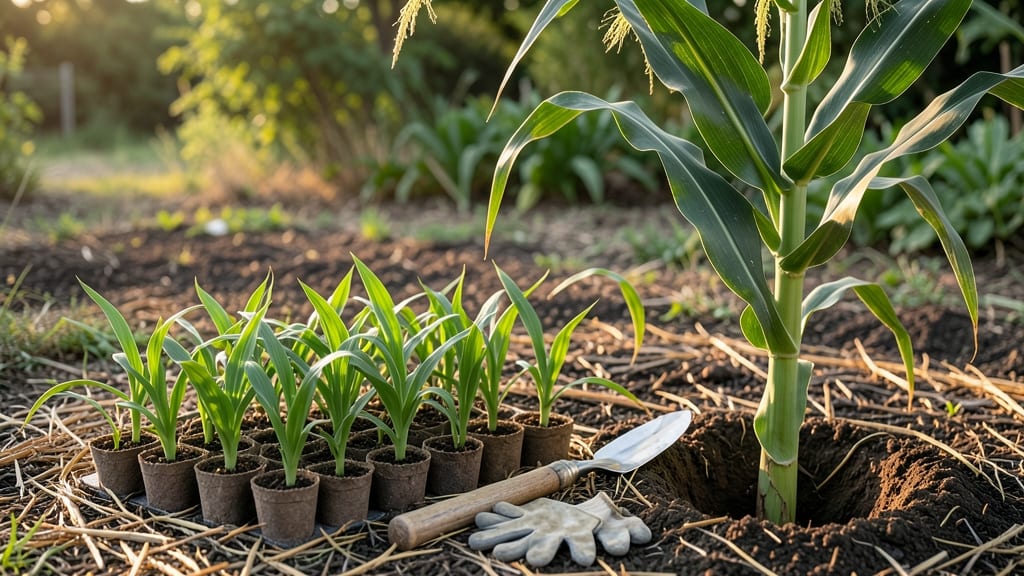
Timing your corn planting in Portland, Oregon, isn’t just about the calendar—it’s about beating the May snow and avoiding the late-spring chills that can turn your 🌽 dreams into a frost-killed flop.
With Portland’s USDA Zone 8a climate and its notorious microclimates, planting too early means risking a repeat of 2023’s late frost, while waiting too long cuts your harvest short. The sweet spot? Mid-April to early May, when soil temperatures hit that critical 50°F+ threshold for germination.
But here’s the kicker: Your neighborhood matters. East Portland’s urban heat island might give you a 2-week head start, while the West Hills could push your window back by a similar margin. I’ll break down exactly how to adjust for Portland’s quirks—so you can plant with confidence, not guesswork.
Ready to grow corn that thrives? Let’s dive into the exact dates, soil secrets, and microclimate hacks that’ll have your ears plumping up by summer—no matter where you live in the city.
Portland’s corn planting calendar: exact dates for zero-frost success
Portland’s USDA Zone 8a/9a climate creates a tricky balance for corn growers. While the city enjoys 180 frost-free days on average, late-spring frosts and urban heat pockets can shift ideal planting windows by 2-3 weeks.
Based on 2023 frost data from Portland’s National Weather Service, your best bet is to wait until soil temperatures consistently hit 50°F+—a critical threshold for corn germination.
For most of Portland, this means planting between mid-April and early May. However, rural areas like Beaverton or Wilsonville (Zone 9a) can start 1-2 weeks earlier, while cooler microclimates like Sauvie Island may need to wait until late May.
Urban heat islands (think Downtown or Pearl District) can push planting dates 10 days earlier than surrounding areas.
The summary table below breaks down Portland’s corn planting calendar by microclimate, including soil temperature thresholds, frost risk windows, and ideal planting dates for sweet corn varieties like ‘Silver Queen’ or ‘Peaches & Cream’. Use this as your guide to avoid frost damage and maximize your harvest.
To test your soil temperature, use a soil thermometer buried 2 inches deep. Corn seeds won’t germinate below 50°F, and waiting until the soil is 60°F+ speeds up growth.
Pro tip: If you’re in a cooler microclimate, opt for early-maturing varieties like ‘Ambrosia’ (60 days to harvest) to avoid late-summer frosts.
Portland’s May snow is legendary—don’t let it fool you into planting too early! Even if temperatures rise, a late frost can kill young corn plants. For extra protection, use row covers or plant near a south-facing fence to create a microclimate with 5-10°F warmer soil temperatures.
This simple trick can extend your planting window by 1-2 weeks.
Once planted, corn thrives in full sun (6-8+ hours daily) and well-draining soil. Amend your garden bed with compost to improve fertility, and mulch with straw to retain moisture.
Water deeply 1-2 inches per week, focusing on the root zone rather than overhead spraying to prevent fungal diseases like corn smut.
For a second harvest, try succession planting every 2 weeks until early June. This ensures a steady supply of fresh ears through late August or early September, just before Portland’s first frost.
Just remember: corn needs 90+ days to mature, so your last planting should be no later than June 15.
If you’re growing ornamental corn (like ‘Glass Gem’), you can push the envelope slightly—these varieties tolerate cooler soils and add visual interest to your garden. However, for sweet corn, precision is key.
Use the table above as your roadmap, and don’t be afraid to start with a small test patch to gauge your microclimate’s unique conditions.
Microclimate adjustments: how Portland’s neighborhoods change planting windows
Portland’s geography creates dramatic planting variations—sometimes just miles apart. The Eastside’s urban heat island can push corn planting 2 weeks earlier than the West Hills’ cooler microclimate, while River Districts face flood risks that delay starts.
Understanding these shifts means the difference between healthy stalks and frost-nipped failures. Let’s break down how to adjust your schedule.
Elevation plays a huge role: West Hills neighborhoods like St. Johns or Gresham often see last frost dates 7–10 days later than downtown. Meanwhile, urban heat pockets near I-84 or the Lloyd District can warm soil 5–10°F faster than residential areas.
Even wind exposure matters—exposed sites (like Marine Drive) cool faster at night, while sheltered spots (like the Pearl District) stay warmer.
For Eastside gardeners, I recommend starting seeds indoors in late February and transplanting by April 1st if nights stay chilly. The West Hills’ cooler microclimate often needs a 10-day delay—wait until May 1st unless you’re using black plastic mulch to warm soil faster.
In flood-prone River Districts, prioritize drainage and consider container growing to avoid soggy roots.
Pro tip: Check soil temperature with a soil thermometer—corn needs 50°F+ for germination, but 60°F+ speeds it up. In windy areas (like the West Hills), stake young plants or use windbreaks to prevent stem breakage. And remember: Portland’s May snow is real—always have row covers ready!
Adjusting for microclimates isn’t just about dates—it’s about plant resilience. By matching your corn variety, soil prep, and protection strategies to your neighborhood’s quirks, you’ll turn Portland’s unpredictable weather into an advantage. Happy planting! 🌽