
Plants
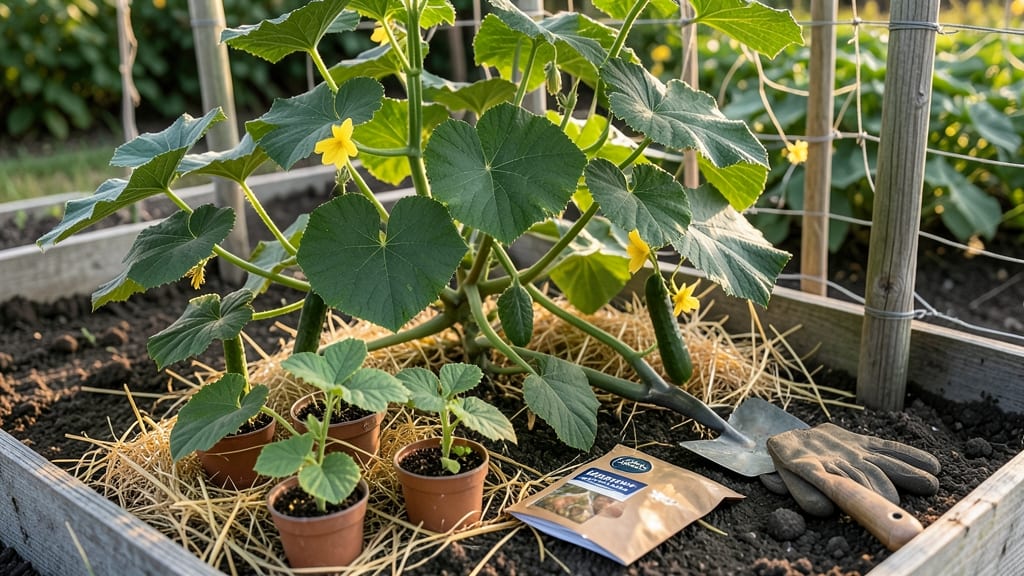
Planting cucumbers in San Diego might seem tricky with its year-round warmth, but getting the timing wrong can still mean wilted vines or bitter fruit.
The key isn’t just avoiding frost—it’s working with the city’s microclimates, from coastal breezes to inland heat islands, to stretch your harvest from spring through fall.
Unlike northern gardens, you’ve got two prime windows to grow crisp, sweet 🥒 cucumbers: early spring (February–March) and late summer (August–September). But coastal areas near the ocean stay cooler longer, while inland spots can hit scorching temps faster—so knowing your zone makes all the difference.
I’ll break down exactly when to plant for your specific part of San Diego, whether you’re in chillier La Jolla or sweltering El Cajon. Plus, I’ll share my top tricks for beating heat stress and maximizing yields, so you can enjoy homegrown cucumbers from April through November—no guesswork needed.
Ready to turn your backyard into a year-round cucumber powerhouse? Let’s dive into the planting schedule that actually works for San Diego’s unique climate.
San Diego’s cucumber planting zones: coastal vs inland timing differences
San Diego’s Mediterranean climate creates unique microclimates where coastal areas enjoy cooler temperatures year-round, while inland valleys experience heat islands that can push soil temps above 90°F in summer.
These differences mean your cucumber planting schedule should vary by just a few weeks—but those weeks can mean the difference between crisp harvests and bitter, seedy disappointment.
Let’s break down the optimal planting windows for each zone, including soil temperature thresholds and how to extend your season with simple row covers.
Cucumbers thrive when soil temperatures stay between 60°F and 90°F. Below 55°F, seeds won’t germinate, and above 95°F, plants shut down flower production.
San Diego’s coastal fog belt (like Encinitas or Del Mar) can delay spring warming, while inland valleys (like Escondido or Temecula) may hit ideal temps weeks earlier. Understanding these localized frost-free adjustments is key—because even in USDA Zone 10a, microclimates dictate your success.
🌱 Pro Tip: Use a soil thermometer ($10 at garden centers) to confirm temps before planting. Aim for consistent 60°F+ at 2-inch depth for reliable germination.
For coastal gardeners, the March 15–April 15 window aligns with when soil finally warms past 60°F after winter’s lingering chill. I’ve seen slow germination when planting too early—seeds may rot in 50°F soil.
To speed things up, lay down black plastic mulch 2–3 weeks before planting; this raises soil temps by 5–10°F and suppresses weeds. For fall plantings, aim for mid-August to avoid the September heat spike that can stress young plants.
Inland valleys like Temecula or Fallbrook can plant 4–6 weeks earlier than coastal areas. By February 15, soil temps often hit 60°F, but beware of heat stress—if temps climb above 95°F during the day, cucumbers will stop producing flowers.
My trick? Plant heat-tolerant varieties like ‘Straight Eight’ or ‘Marketmore 76’, and use 30% shade cloth to keep soil temps in check during summer months.
If you’re gardening near desert edges (e.g., Borrego Springs), your schedule shifts even later due to cold desert nights. Wait until mid-March for spring plantings, and focus on fall harvests by planting in early September.
These areas also suffer from poor pollination due to extreme temperature swings. I’ve had success hand-pollinating flowers with a small paintbrush in the mornings—just dip it in water to mimic bees and transfer pollen between flowers.
🌿 Season Extension Hack: Use floating row covers (like Agribon) to protect seedlings from coastal winds or desert chill. These lightweight fabrics raise soil temps by 2–4°F
How to stretch your cucumber harvest: succession planting strategies for San Diego
San Diego’s Mediterranean climate lets you grow cucumbers nearly year-round, but succession planting is the secret to avoiding a glut of cucumbers all at once. By spacing out plantings every 2-3 weeks, you’ll enjoy fresh harvests from spring through fall—even when summer heat would otherwise slow growth.
Start with heat-tolerant varieties like 'Straight Eight' or 'Lemon Cucumber', which thrive in 90°F+ temperatures that would stress other types. These varieties also handle partial shade better, making them ideal for summer when coastal fog retreats and afternoon sun intensifies.
Key to success: Monitor soil temps—cucumbers need 60°F+ soil to germinate. Use a soil thermometer to time your plantings perfectly. Inland areas can plant 2-3 weeks earlier than coastal zones because they warm up faster.
- 📅 Spring Planting Window: February 15 (coastal) / February 1 (inland) – March 15 (every 2 weeks)
- 🌡️ Ideal Soil Temp: 60-70°F – Use black plastic mulch to warm soil faster in early spring
- ☀️ Summer Strategy: Plant shade-tolerant varieties like 'Armenian Cucumber' in late August for fall harvest
- 🌿 Spacing Tip: 36" apart for vining types, 18" for bush varieties – Crowding reduces airflow and increases disease risk
- 💧 Watering Hack: Drip irrigation at soil level prevents fungal issues from wet leaves in summer humidity
For coastal gardens, time your last spring planting by March 15—after that, summer heat and powdery mildew risks rise sharply. Inland growers can push to April 1 safely. Use row covers or shade cloth (30-50%) to protect seedlings during heatwaves.
Harvest every 2-3 days to encourage continuous production. If vines slow in September heat, prune older leaves to redirect energy to new growth. Succession planting ensures you’re always harvesting before vines exhaust themselves.
Pro tip: Save seeds from your best heat-tolerant performers to create a localized cucumber strain adapted to San Diego’s microclimates. Store seeds in a cool, dry place for next year’s fall plantings—aim for September 15 to enjoy winter harvests.