
Plants
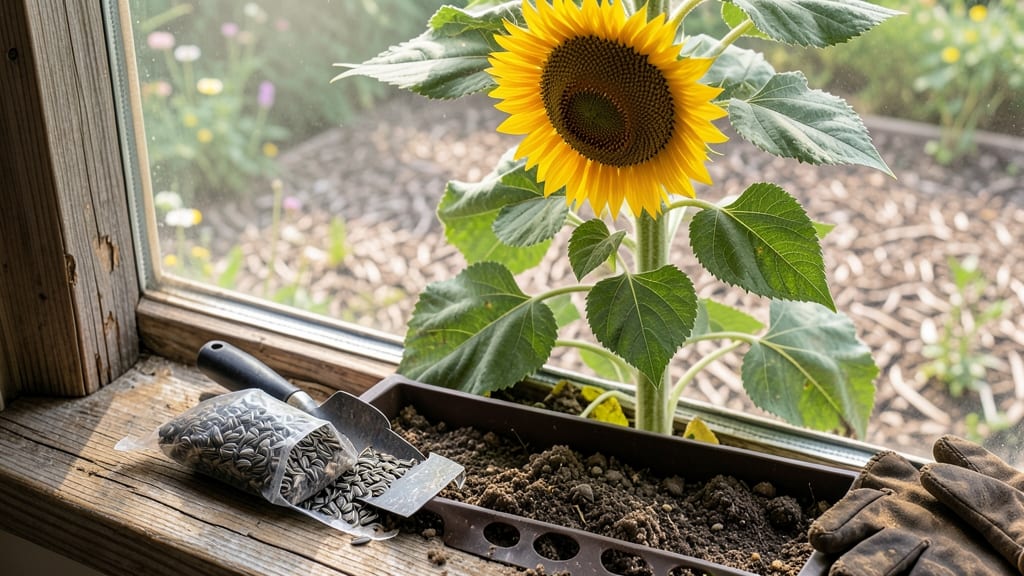
Planting sunflower seeds in Ohio isn’t just about grabbing a packet and tossing them into the dirt—timing them right means the difference between a sunflower forest 🌻 and a sad, wilted disappointment.
Since Ohio’s frost dates swing wildly from Zone 4a in the north to Zone 6b in the south, guessing wrong could leave your seeds waiting for a spring that never comes.
If you’ve ever stared at your calendar in May wondering whether to plant or wait, you’re not alone. The key is knowing your last frost date—and Ohio’s can vary by weeks depending on where you live.
In most of the state, mid-April to mid-June is your sweet spot, but northern counties like Ashtabula might need to wait until late May, while southern Ohioans in Zone 6a can start as early as early April.
Here’s the good news: even if you miss the perfect window, sunflowers are forgiving. With the right soil prep and a few pro tips, you can still coax those towering blooms from the ground.
I’ll walk you through exactly how to time it right—so you can enjoy sunflowers that stretch toward the sky instead of the ground.
Ready to turn your Ohio garden into a golden masterpiece? Let’s break down the zone-by-zone planting schedule and what to do if Mother Nature throws you a curveball.
Ohio sunflower planting calendar by last frost dates (zone-specific guide)
Ohio’s 11 growing zones (4a-6b) create dramatic differences in frost dates—up to 3 weeks apart between northern and southern regions. For sunflowers, which thrive in warm soil (60°F+), these variations mean the difference between bountiful blooms and frost-killed seedlings.
Using data from the Ohio State University Extension, I’ve mapped out precise planting windows tailored to your county’s last frost averages.
Sunflowers are annuals in Ohio, meaning they complete their life cycle in one season. Most varieties need 80-120 days to mature, so timing your planting ensures they reach full height and bloom before first frost (late September to mid-October).
Early varieties like 'Moulin Rouge' (60 days) work for northern zones, while 'Russian Giant' (120 days) suits southern Ohio’s longer growing season.
Here’s your zone-by-zone planting calendar, including soil temperature tips and backup dates for late springs. Remember: Soil temperature matters more than air temperature—sunflowers won’t germinate until the soil reaches 55°F+.
For northern Ohio (zones 4a-4b), where frost lingers until mid-May, focus on early-maturing varieties like 'Teddy Bear' (60 days). These compact sunflowers bloom quickly and tolerate cooler soils.
In southern Ohio (zones 5b-6b), you can push the envelope with tall varieties like 'Russian Giant' (120 days), but plant by April 15 to avoid heat stress in summer.
Pro tip: Use a soil thermometer to confirm readiness—sunflowers won’t germinate until soil hits 55°F+. If your soil is still cold in early April, wait for warmer spells or use black plastic mulch to accelerate warming by 5-10°F.
This is especially critical in zone 4a, where late frosts are common.
Ohio’s unpredictable spring weather means even the best-laid plans can go awry. If frost threatens after planting, cover seedlings with frost cloth or a lightweight row cover. Remove it when temperatures rise to 50°F+ to prevent overheating. For late springs, consider a second planting in
How to adjust planting for Ohio’s unpredictable weather patterns
Ohio’s unpredictable frost dates can throw off even the most experienced gardener. Sunflowers, with their 60-120 day growth cycle, need precise timing to avoid late spring frosts or early fall freezes.
The key? Flexibility in your planting strategy to match Ohio’s 11 growing zones, which range from 4a (coldest) to 6b (warmest).
Start by checking your local last frost date—typically April 15 in most of Ohio, but as late as May 1 in northern zones. For sunflowers, this means planting 2-4 weeks before your average last frost to ensure they mature before first frost (usually October 15).
But what if spring drags on? Here’s how to adjust.
For northern Ohio gardeners (zones 4a-5a), consider starting seeds indoors under grow lights 4-6 weeks before your last frost. Transplant seedlings outdoors only after soil temps reach 55°F—cold soil delays germination. Harden off seedlings for 7-10 days before moving them outside to avoid transplant shock.
If your sunflowers bolt too quickly due to unseasonably warm springs, focus on harvesting seeds early before they mature. Cut the flower head when the back turns yellow-brown, hang it upside down in a dry, dark place, and let seeds dry for 2-4 weeks.
This saves your crop even if blooms don’t last the season.
Pro tip: Keep a planting journal to track Ohio’s frost-free trends in your area. Over time, you’ll spot patterns—like 2023’s late May frost in Lorain County—and adjust your schedule accordingly.
Sunflowers are resilient, but giving them the edge with smart timing ensures those iconic blooms reach their full potential. 🌻