
Plants
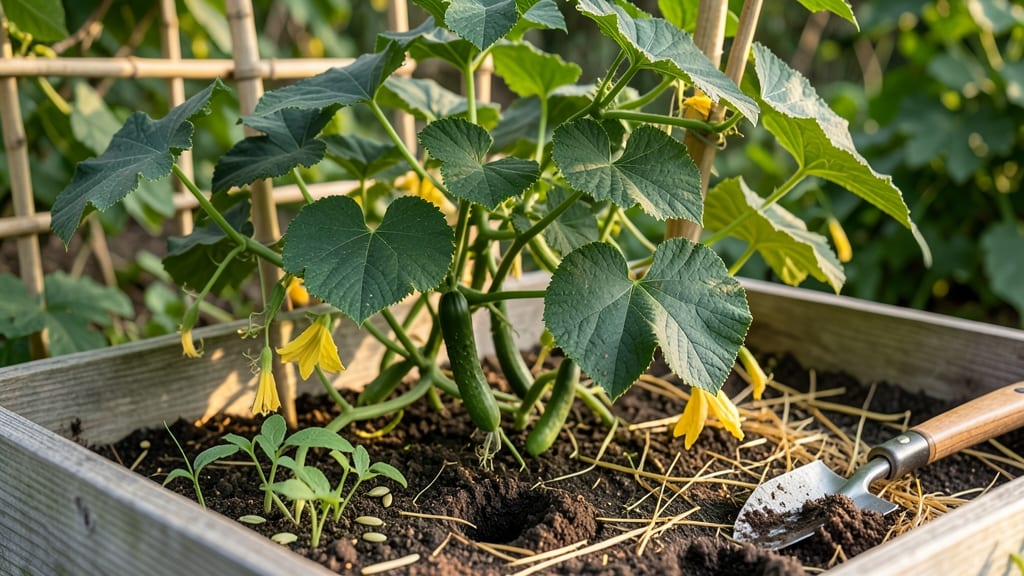
Timing your cucumber seed planting in Missouri can mean the difference between a bumper crop of crisp, fresh 🥒 and a wasted season of frost-nipped failures.
If you plant too early, those tender seedlings won’t survive the lingering chill of late spring, while planting too late risks stunted vines and fewer harvests before summer’s end.
Missouri’s diverse climate zones—from the cooler hills of the Ozarks to the warmer river valleys—demand precision. The key is waiting until the soil warms to at least 60°F and the last frost has passed, typically between mid-April and early June, depending on your county.
But with Missouri’s unpredictable weather, knowing exactly when to plant by heat zone can save you from disappointment.
In this guide, I’ll break down the exact frost-free deadlines for Missouri’s 5b-7a zones, share strategies for adjusting to late frosts or early heat waves, and recommend the best cucumber varieties for your region.
Whether you’re a first-time gardener or a seasoned grower, these tips will help you maximize your harvest from June through October.
Ready to avoid the common mistakes that leave Missouri gardeners with half-empty vines? Let’s dive into the science—and the secrets—behind planting cucumbers at the perfect moment for your corner of the state.
Missouri cucumber planting dates by heat Zone (2024 guide)
Missouri’s diverse climate zones mean your cucumber planting window can vary by hundreds of miles. Whether you're in cool northern Missouri (Zone 5a) or warmer southern regions (Zone 7b), knowing your last frost date and soil temperature thresholds is critical for a successful harvest.
Cucumbers thrive when soil reaches at least 60°F, so timing your seed sowing or transplanting just right ensures strong, productive vines.
Missouri’s USDA heat zones (5a-7b) create distinct planting schedules. For example, St. Louis (Zone 6a) has a later frost risk than Kansas City (Zone 6b), while Cape Girardeau (Zone 7a) enjoys a longer growing season.
Below, we break down exact planting deadlines by zone, including soil prep tips and county-specific examples to help you plan like a pro.
🌱
| Heat Zone | Last Frost Date | Soil Temp Threshold | Planting Window | Example Counties |
|---|---|---|---|---|
| Zone 5a (North) | Late April - Early May | 60°F+ (consistent) | May 15 - June 1 | Adair, Cooper, Macon |
| Zone 5b (Northeast) | Mid-April - Late April | 60°F+ (consistent) | May 1 - May 15 | St. Louis (northern), Jefferson City |
| Zone 6a (Central) | Early April - Mid-April | 60°F+ (consistent) | April 20 - May 10 | Kansas City, Columbia, Springfield |
| Zone 6b (Southwest) | Late March - Early April | 60°F+ (consistent) | April 10 - April 25 | Joplin, Sedalia, Poplar Bluff |
| Zone 7a (Southeast) | Mid-March - Late March | 60°F+ (consistent) | March 25 - April 10 | Cape Girardeau, Paducah, Farmington |
| Zone 7b (Extreme South) | Late February - Early March | 60°F+ (consistent) | March 15 - March 30 | Poplar Bluff, Sikeston, Caruthersville |
Missouri’s northern counties (Zone 5a) often face late spring frosts until early May, so wait until May 15 to plant seeds outdoors. In contrast, southern Missouri (Zone 7b) can start as early as March 15—just in time for a longer harvest season.
Always check your local USDA frost map or Missouri Botanical Garden’s planting guide for year-to-year variations.
For soil preparation, cucumbers prefer well-draining, slightly acidic soil (pH 6.0-6.8). Amend heavy clay soils with compost or sand to improve drainage, and ensure your garden bed receives 6-8 hours of sunlight daily.
If your soil temperature hasn’t reached 60°F by your zone’s planting window, consider using a black plastic mulch to warm the soil faster.
💧
In St. Louis (Zone 6a), gardeners often start cucumbers indoors in late March and transplant after April 20, while Kansas City (Zone 6b) residents can direct-sow seeds as early as April 10.
Meanwhile, Cape Girardeau (Zone 7a) gardeners enjoy a 3-week head start, planting by March 25. Pro tip: Use row covers in Zone 5a-6a to extend your early planting window and protect young seedlings from late frosts.
Don’t forget about fall planting! In Zone 7b, you can sow a second crop in late July for a harvest through October. In cooler zones, aim for late June to early July to avoid early fall frosts.
Always calculate your frost-free days (typically 165-200 days in Missouri)
How to adjust planting for Missouri’s unpredictable spring weather
Missouri’s spring weather is famously fickle—one day it’s sunny and warm, the next a late frost threatens your tender cucumber seedlings. To beat the odds, I’ve learned to use staggered planting and protective strategies that stretch the growing season.
The key is flexibility: wait for soil temps to hit 60°F consistently before planting, even if the calendar says spring has arrived.
I always check the Missouri Climate Center for last frost dates by county, but I also keep a row cover ready.
In my USDA Zone 6b garden near Columbia, I’ve seen frost creep back as late as May 10, so I plant half my seeds indoors 3 weeks before the average last frost date and transplant them after the risk passes.
For soil moisture delays, I’ve switched to drip irrigation with a timer, ensuring my cucumbers get 1-2 inches of water weekly without relying on unpredictable rains. In dry years, I even add mulch to lock in moisture and keep roots cool.
My bush varieties (like ‘Bush Champion’) handle drought slightly better than vining types, but all cucumbers need consistent hydration to avoid bitter fruit.
When heat waves hit early—like the 90°F+ days we’ve seen in June—I shade young plants with shade cloth (30-50% coverage) to prevent bolting (premature flowering). I also avoid over-fertilizing with nitrogen, which can make plants more susceptible to heat stress.
Instead, I focus on balanced 10-10-10 fertilizer every 4-6 weeks to support steady growth.
To maximize harvests, I plant two batches: one in late April/May (after frost risk) and another in early July for a fall crop. This staggered approach ensures cucumbers ripen when I need them, even if spring weather throws curveballs.
I also save seeds from my best-performing plants—like the ‘Lemon’ cucumbers that thrive in my humid microclimate—to fine-tune my garden’s resilience.
Remember, Missouri’s humidity and heat can create perfect conditions for powdery mildew, so I rotate crops yearly and space plants 3-4 feet apart for airflow. With these adjustments, I’ve gone from hit-or-miss harvests to consistent yields—even in the most unpredictable springs. 🌱