
Plants
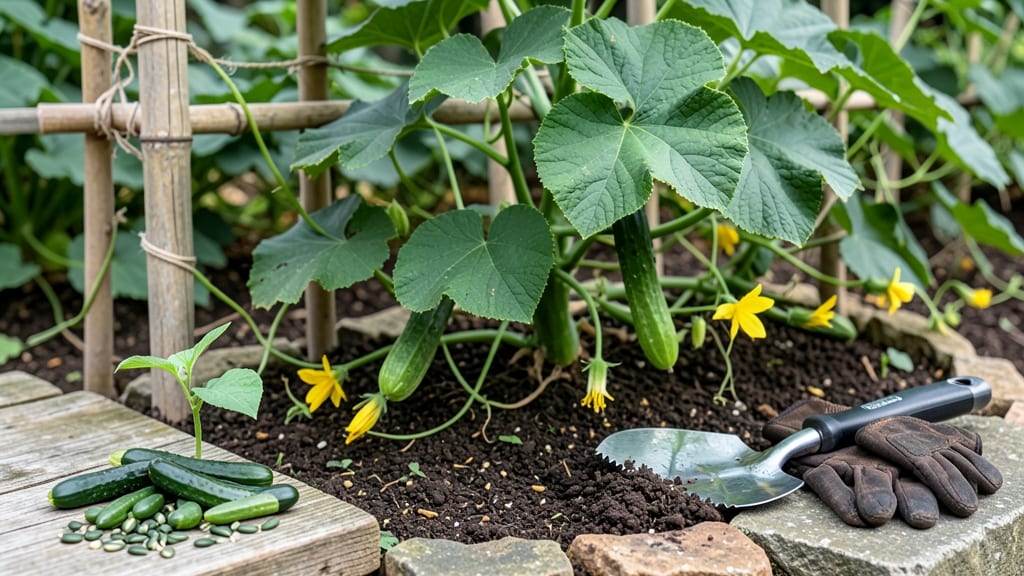
Planting cucumbers 🥒 at the wrong time in Australia can mean the difference between a bountiful harvest and a sad, wilted vine. The key to success lies in understanding your local climate—whether you're in tropical Queensland or temperate Victoria—because timing isn't one-size-fits-all.
In my experience, getting the best results means planting when soil temperatures hit that sweet spot of 15-20°C. For most regions, this means late summer to early spring, but the exact month varies wildly depending on whether you're dodging frost in Sydney or baking in Perth.
What I love about growing cucumbers in Australia is how adaptable they can be with the right strategies. You can stretch the season using shade cloth in summer or row covers in cooler months, giving you fresh homegrown cucumbers almost year-round if you plan ahead.
Ready to unlock the secrets of your region's perfect planting window? Let's dive into the exact months that work best for each state—and how to adjust for your microclimate—so you can enjoy crisp, homegrown cucumbers without the guesswork.
Australia’s cucumber planting calendar by state: best months for success
Australia’s vast and varied climates mean cucumber planting times can differ dramatically from Sydney to Perth. Whether you’re in a tropical paradise like Cairns or a cool temperate zone like Hobart, timing is critical for avoiding frost damage or scorching heat.
The key is planting when soil temperatures stay above 15°C (59°F)—this ensures strong root development and rapid growth.
Most Australian gardeners aim for spring planting in cooler regions, while tropical areas can grow cucumbers year-round with proper care. However, even in warm climates, summer planting requires extra attention to shade and moisture to prevent stress.
Let’s break down the ideal planting windows by state to help you plan for a bountiful harvest.
⚠️ PRO TIP: Always check your local frost dates (via the Bureau of Meteorology) and soil temperature before planting—this is the #1 factor in cucumber success!
In New South Wales (NSW), the ideal planting window is September–October, aligning with spring’s rising temperatures. Sydney’s coastal areas benefit from milder winters, but inland regions like Dubbo need to wait until soil warms.
Use black plastic mulch to accelerate soil heating if planting early—this can shave off critical weeks of waiting.
Victoria’s cool climate demands patience. Melbourne gardeners should aim for October–November after the last frost (typically late July). For a second harvest, try late summer planting in February, but be prepared for shade cloth during scorching January days.
Varieties like ‘Burpee Bush Champion’ thrive in these conditions with minimal fuss.
Queensland’s tropical zones (e.g., Cairns, Townsville) allow year-round planting, but March–May is optimal. The wet season (Nov–Feb) brings fungal risks, so prioritize well-draining soil and spaced-out plants to prevent disease. In Brisbane’s subtropical belt, September–October works best for a winter harvest before summer’s intensity peaks.
Western Australia’s Mediterranean climate creates two distinct windows: coastal Perth (September–October) and inland areas (March–April). Perth’s summers are too hot for cucumbers, so plan for a winter harvest.
Inland regions like Kalgoorlie can grow cucumbers in late winter when days are cooler. Always choose drought-tolerant varieties like ‘Straight Eight’ for WA’s dry spells.
South Australia’s diverse microclimates mean Adelaide gardeners should plant in October–November, while Northern SA (e.g., Port Augusta) can start as early as March. Adelaide’s cool nights slow growth, so use row covers or cloches to protect young plants.
For a summer crop, try shade cloth during December–February to prevent bolting.
Tasmania’s cooler maritime
How climate zones affect cucumber planting times in Australia
Australia’s 8 distinct climate zones create wildly different growing conditions for cucumbers. In tropical zones like northern Queensland, you can plant year-round, while temperate regions like Victoria demand precise timing to avoid frost damage.
Understanding these zones helps you align your planting with soil temperatures and seasonal shifts for maximum yields.
For example, coastal areas often enjoy milder microclimates, allowing earlier plantings, while inland or high-altitude gardens may need to wait until late spring. Urban gardeners can leverage microclimates—like sunny balconies or sheltered courtyards—to extend growing seasons.
Let’s break down how to tailor your cucumber planting schedule to your local climate.
🌡️ Key Climate Zones & Planting Adjustments
- 1 Tropical (e.g., Cairns, Darwin): Plant year-round with two peaks—March-May (wet season start) and September-November (dry season). Use shade cloth in summer to prevent bolting.
- 2 Subtropical (e.g., Brisbane, Gold Coast): Start August-September for spring harvests or November-December for summer. Avoid winter plantings—cucumbers hate frost (below 10°C).
- 3 Temperate (e.g., Sydney, Melbourne): Wait until mid-September to November after soil warms to 15°C+. Use row covers for early starts if frost risk lingers.
- 4 Mediterranean (e.g., Perth, Adelaide): Plant September-October for spring harvests or February-March for autumn. Mulch heavily to retain moisture during hot summers.
- 5 High-Altitude (e.g., Canberra, Tasmania): Delay until late October-November when frost risk passes. Choose early-maturing varieties (e.g., ‘Burpee Bush Champion’) to finish before winter.
- 6 Urban Microclimates: South-facing balconies in cities like Melbourne can plant 2 weeks earlier than inland areas. Use containers with heat-retaining fabric to mimic ideal soil temps.
High-altitude areas, like the Australian Alps or Tasmania’s central region, often experience delayed spring warming. Test your soil temperature with a thermometer—cucumbers need at least 15°C (59°F) to germinate. If your garden is cooler, opt for bush varieties like ‘Excelsior’ or ‘Spacemaster’, which mature faster than vining types.
Urban gardeners can beat the heat with vertical trellises and drip irrigation to keep roots cool. In Perth’s Mediterranean climate, I’ve had success planting ‘Diva’ cucumbers in February—their disease resistance helps them thrive during the city’s dry, hot summers.
Always monitor humidity levels; cucumbers in high-humidity zones (e.g., QLD coast) are prone to powdery mildew.
For tropical northern Australia, the key is managing wet-season floods and dry-season heat stress. Plant ‘Lemon cucumbers’ in September to avoid the cyclone season (November-March).
In subtropical zones, like the Sunshine Coast, I’ve found that succession planting every 4 weeks from August to December ensures a steady harvest.
Remember: soil preparation is just as critical as timing. Amend your garden beds with compost and aged manure before planting to improve drainage and nutrient retention. In sandy soils (common in WA), add organic matter to hold moisture longer.
With these climate-specific adjustments, you’ll be well on your way to a bountiful cucumber harvest—no matter where you garden in Australia! 🥒