
Plants
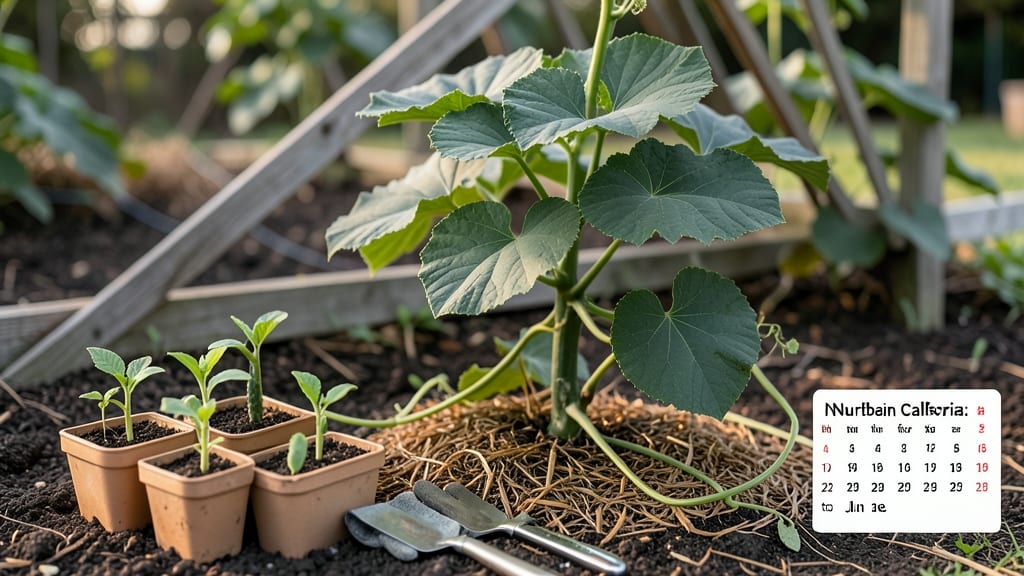
Timing your cucumber planting in Northern California isn't just about the calendar—it's about dodging the 55°F soil temperature rule and the coastal fog that can delay your harvest by weeks.
One wrong move, and your 🥒 plants bolt before you even see fruit, leaving you with bitter disappointment instead of crisp cucumbers.
Most gardeners in zones 8a-9b swear by March-May planting, but inland areas like Sacramento need to start earlier than coastal spots like Santa Cruz. The key? Waiting until soil warms consistently and all frost danger passes—usually after March 15, though microclimates can shift that window by 2-3 weeks.
I’ve learned the hard way that rushing cucumbers into cold soil or ignoring heat waves means wasted effort. Whether you’re growing bush varieties or sprawling vines, these exact timing strategies will help you beat Northern California’s climate quirks and enjoy a June-August harvest.
Let me show you how to read your local frost dates, pick the right varieties for your microclimate, and use simple tricks like black plastic mulch to give your cucumbers the perfect start—no guesswork, just results.
Northern California cucumber planting calendar by USDA Zone (with exact months)
Timing your cucumber planting in Northern California is all about avoiding the heat-induced bolting that turns vines into seed factories before you get a single harvest. The USDA zones 7a-10a create dramatic differences—coastal areas like San Francisco (Zone 9b) can plant months earlier than inland Sacramento (Zone 9a).
My goal? Help you pinpoint the exact month ranges where soil temps stay above 55°F and frost risk vanishes.
Cucumbers thrive in warm soil (minimum 60°F) and long daylight hours—both critical in Northern California’s variable microclimates. I’ve broken down planting windows by zone, plus succession planting strategies for fall harvests.
Pro tip: Use black plastic mulch to warm soil faster in cooler zones like 7a (Redding), shaving weeks off your planting timeline.
Here’s the zone-by-zone breakdown with exact months, frost dates, and soil temperature thresholds to maximize your 60-70 day harvest window before summer’s relentless heat sets in.
In Zone 7a, where last frosts linger until April 20, I recommend waiting until May 1 to plant—even if soil hits 60°F earlier. The 10-day buffer prevents frost damage to young seedlings.
For Zone 9b, you can start as early as January 15, but watch for coastal fog delays that keep soil cool.
Fall planting is trickier—aim for August 1 in inland zones (like Sacramento) but push to July 15 near the coast. The goal? Beat the first frost by 80-90 days to ensure a harvest. Use heat-tolerant varieties like 'Straight Eight' in inland areas where temps exceed 90°F.
Pro move: Test soil temperature with a soil thermometer before planting. If it’s below 55°F,
How to avoid cucumber bolting in Northern California’s microclimates
Northern California’s coastal fog and inland heat create wildly different growing conditions for cucumbers. In coastal regions like San Francisco, cool summers delay bolting, while Central Valley areas hit 90°F+ temperatures by June—both scenarios demand different strategies.
The key? Timing and variety selection tailored to your microclimate. I’ve grown cucumbers in both zones and learned that heat-tolerant varieties and shade cloth can extend your harvest window by 4-6 weeks.
For coastal gardeners, the biggest risk isn’t heat but late spring chills followed by sudden warmth. Inland growers, meanwhile, face premature bolting when days stretch past 14 hours of sunlight.
Both scenarios force cucumbers to flower and fruit too quickly, leaving you with bitter, seedy cucumbers instead of crisp, sweet harvests. The solution? Succession planting and shade management—two tactics I’ve perfected after years of trial and error.
🌱 PROS-CONS BOX: Coastal vs. Valley Cucumber Strategies
Coastal Regions (San Francisco, Santa Cruz)
| Pros | Cons |
|---|---|
| 🌿 Longer growing season (plant March-April) | ❄️ Fog delays warm soil (60°F+ needed) |
| 🌱 Less bolting risk (cooler summers) | ☁️ Shade cloth needed only in July-August |
| 🥒 Best varieties: 'Straight Eight', 'Lemon Cucumber' | 🐞 Pests thrive in humid coastal air |
Valley Regions (Sacramento, Stockton)
| Pros | Cons |
|---|---|
| ☀️ Faster growth (plant April-May) | 🔥 Bolting by June if not managed |
| 💧 Less watering needed (drier air) | 🌡️ Shade cloth required by May |
| 🥒 Best varieties: 'Marketmore', 'Boston Pickling' | 🌵 Soil overheats without mulch |
In coastal areas, I start seeds indoors in February and transplant after March 15, when soil temps hit 60°F. The 30% shade cloth goes up by mid-July to protect plants from sudden heat spikes.
For valley gardens, I switch to heat-tolerant varieties like 'Marketmore' and use 50% shade cloth starting in early May. This simple adjustment adds 3-4 weeks to the harvest window.
Succession planting is another game-changer. In the Central Valley, I plant every 2 weeks from April to June, staggering varieties to ensure a continuous supply. Coastal gardeners can stretch their season by planting once in March and again in late July for a fall crop.
The key is monitoring day length—cucumbers bolt when days exceed 14 hours, so I use black plastic mulch to keep roots cool.
Don’t overlook soil prep. Amend your beds with compost and aged manure to retain moisture, and mulch heavily with straw or wood chips to insulate roots. I’ve seen bolt-resistant varieties like 'Straight Eight' thrive with these basics, while standard slicing cucumbers struggle without extra care.
For container growers, choose bush varieties like 'Bush Champion' and keep pots in partial shade during peak heat.
Finally, watch for early signs of bolting: yellowing leaves, rapid vine growth, and small flowers. If you catch it early, prune the main stem to encourage bushier growth. I’ve saved multiple harvests this way, even in 100°F+ heat.
With these strategies, you can enjoy crisp cucumbers from June to October, regardless of whether you’re battling coastal fog or valley heat.