
Plants
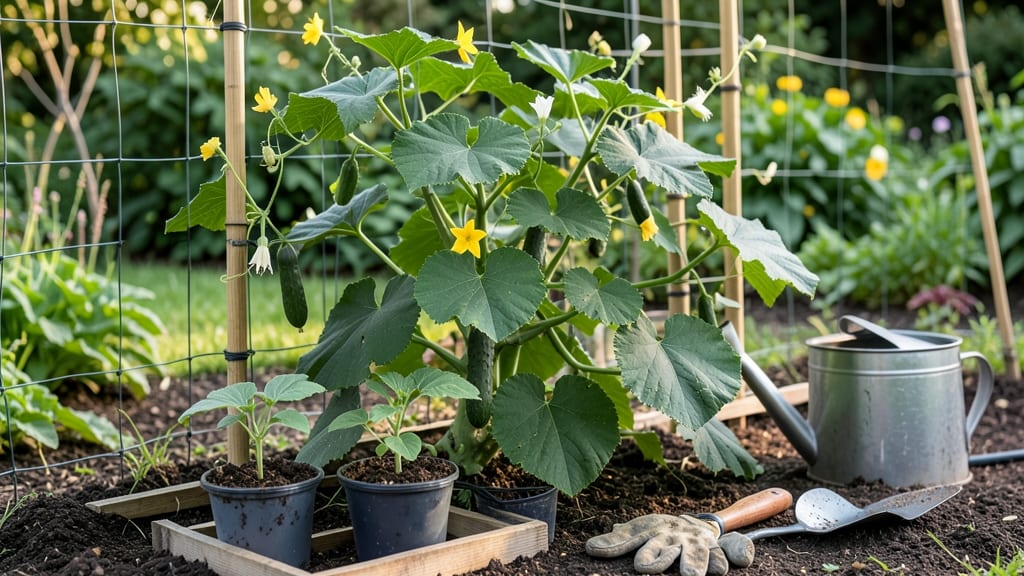
Planting cucumbers in Zone 9b at the wrong time means watching them wilt under the relentless desert sun or miss the prime harvest window entirely.
The key isn't just when you plant—it's choosing the right moment to set those 🥒 seeds for success, whether you're aiming for spring's crisp harvests or fall's last-gasp bounty.
Unlike cooler climates, Zone 9b's frost-free year-round conditions let you grow cucumbers almost anytime—but timing still matters. Too early, and the soil stays too cool; too late, and the summer heat stresses young plants before they even take root.
I’ve learned the hard way that patience pays off when waiting for soil temps to hit that sweet spot of 60°F.
This guide breaks down the exact months to plant for maximum yield, including heat-resistant varieties that thrive in Phoenix’s sweltering summers. Whether you’re direct-sowing or transplanting, I’ll share the tricks I’ve used to stretch my harvest from spring through fall—no more empty vines or bitter cucumbers!
Ready to grow cucumbers that actually survive the heat? Let’s dive into the perfect planting windows, soil prep secrets, and companion plants that keep your 🥒 patch thriving all season long.
Best months to plant cucumbers in Zone 9b for maximum yield
In Zone 9b, where summers are scorching and winters are mild, timing is everything when planting cucumbers. The key is avoiding the peak heat of June through August while still catching the spring and fall windows.
Unlike cooler climates, you can actually plant cucumbers twice a year—once in early spring and again in late summer for a fall harvest. The trick is monitoring soil temperatures and choosing heat-tolerant varieties to survive the transition.
Most gardeners in Zone 9b make the mistake of planting too early in March, only to see their seedlings bolt (flower prematurely) when temperatures rise above 85°F. Instead, wait until the soil reaches 60°F and nighttime temps drop below 75°F—usually mid-April for spring plantings.
For fall harvests, aim for late August to early September when days start cooling. This gives cucumbers 60-70 days to mature before winter sets in.
Here’s the breakdown of your optimal planting windows, soil needs, and heat management strategies in Zone 9b:
| Planting Window | Soil Temp Requirement | Heat Risk | Best Varieties | Harvest Window |
|---|---|---|---|---|
| Mid-April to early May | 60–70°F | Low (early season) | Straight Eight, Marketmore | June–July |
| Late August to early September | 65–75°F | Moderate (cooler nights) | Armenian, Lemon Cucumber | October–November |
| Avoid May–July | Above 85°F | High (heat stress) | None (skip) | N/A |
For spring plantings, start seeds indoors 4–6 weeks before your target date (mid-March) to give seedlings a head start. Transplant them outdoors after the last cool snap (usually by April 15).
Use black plastic mulch to warm the soil faster and reduce soil-borne diseases common in Zone 9b’s humid summers. If you’re direct-sowing, wait until mid-April when nighttime temps consistently stay above 65°F.
Heat stress is your biggest enemy in Zone 9b. Cucumbers wilt dramatically in 100°F+ temps, even if they’re well-watered. To combat this, provide daily shade cloth (30–50% coverage) during peak afternoon sun (12 PM–4 PM). Trellising vining varieties like Straight Eight also improves airflow and reduces fungal diseases like powdery mildew. Water deeply in the morning (1–1.5 inches per week) and avoid wetting leaves to prevent blossom-end rot.
If you’re aiming for a fall harvest, focus on late August plantings. Choose shorter-day varieties like Armenian cucumbers, which mature faster in cooler temps. By September 15, reduce watering slightly to harden off plants for the transition into fall.
Mulch with straw to retain moisture and protect roots from temperature swings. With this timing, you can harvest well into November before the first frost (which Zone 9b rarely sees, but cooler nights slow growth).
Pro tip: Succession plant every 2 weeks in spring and fall to stagger harvests. This ensures you’re always picking fresh cucumbers instead of dealing with an overwhelming glut. For example, plant a batch in mid-April, another in early May, and a final one in late August.
This spreads out your labor and maximizes your square footage. Just remember: No cucumbers in June—that’s your heat hiatus!
One common mistake in Zone 9b is assuming cucumbers can handle direct summer sun like tomatoes. They can’t. Even heat-resistant varieties like Marketmore will struggle if planted in June. Instead, use this time to rotate crops, compost, or grow shade-tolerant greens like Swiss chard.
By late summer, your soil will be cooler, and cucumbers can thrive again for a second harvest.
Finally, pay attention to companion planting. Pair cucumbers with radishes (which deter pests) or beans (which fix nitrogen in the soil). Avoid planting near potatoes or sage, which can stunt growth.
In Zone 9b, vertical space is your friend—use trellises or cages to save room and improve air circulation. With the right timing and a little shade, you’ll be enjoying **crisp, homegrown cuc
Top 5 heat-resistant cucumber varieties for Zone 9b gardens
Zone 9b's intense summer heat can turn cucumber plants into sad, wilted shadows if you're not careful. The key to success? Choosing heat-tolerant varieties that thrive when temperatures soar.
These five cucumbers are my go-to picks for Phoenix, Southern California, and other desert climates—they handle the heat while still delivering sweet, crisp fruit.
For me, the Straight Eight variety is the gold standard—it's not just heat-resistant, but also disease-resistant and produces uniform, market-ready cucumbers perfect for pickling or slicing. This variety stays productive even when other plants are struggling under 100°F+ temperatures, making it ideal for Zone 9b's long growing season.
Heat Tolerance Ratings
*Ratings based on performance in 90°F+ temperatures and disease resistance
Next up is the Armenian cucumber, also known as snake cucumber, which thrives in extreme heat and dry conditions. Unlike traditional slicing cucumbers, these grow long and slender with minimal watering—perfect for Zone 9b's water restrictions.
I've grown them in my backyard garden in Southern California with zero issues, even during 110°F heatwaves.
The Marketmore variety is another favorite because it's disease-resistant and productive in both spring and fall plantings. This bush-type cucumber stays compact (3-4 feet tall) and produces dark green, blocky fruits that stay crisp even in the heat.
I always plant this variety in late summer for a fall harvest when temperatures start cooling slightly.
For something unique, try the Suyo Long Japanese cucumber. These heat-loving varieties grow 2-3 feet long and have thin, sweet skin that doesn't need peeling. They're perfect for trellising in small spaces and handle intense sunlight better than most cucumbers.
I've had success growing them in shade cloth during peak afternoon sun in July.
Finally, the Lemon Cucumber brings a zesty twist to your harvest. These heat-tolerant varieties produce small, round cucumbers with a lemon-like flavor and thin skin. They're great for snacking fresh or adding to salads. I plant these in partial shade during summer to prevent bolting while still getting great production.
Remember, even with heat-resistant varieties, morning watering and mulching are essential in Zone 9b. These five cucumbers will give you reliable harvests whether you plant in spring or fall—just avoid the hottest midday sun when possible. 🌱