
Plants
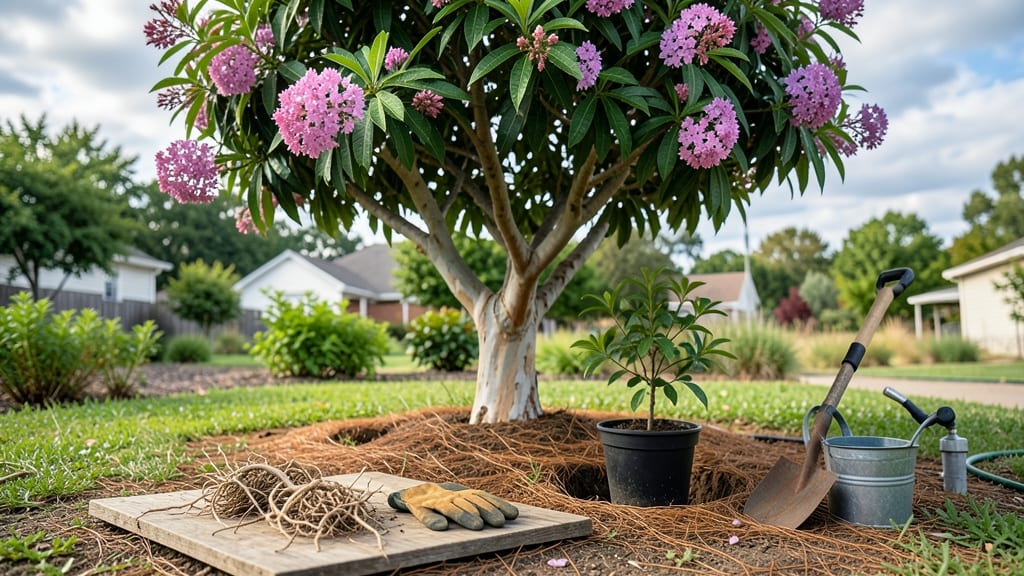
Planting your 🌸 Crape Myrtle at the wrong time in Oklahoma can mean the difference between a stunning summer display and a struggling shrub that never quite thrives.
The key isn’t just picking a month—it’s understanding when your soil warms up, when frost risks fade, and how Oklahoma’s 6b-7b climate zones create micro-differences that matter.
Most gardeners in Oklahoma know spring is the classic window, but did you know fall planting often gives your 🌸 Crape Myrtle a head start?
Late March through May and September through October are your sweet spots, but timing it right means avoiding those late-spring heatwaves that can shock young roots. I’ll break down exactly what to watch for—and how to prep your soil so your new plant takes hold like a pro.
Whether you’re planting bare-root saplings or container-grown trees, the first 3 weeks after planting are critical.
We’ll cover how to tell if your soil’s ready (hint: it’s not just about the calendar), when to water deeply, and what warning signs mean your 🌸 Crape Myrtle is struggling before it’s too late. Let’s get those blooms off to the best possible start.
By the end, you’ll know not just when to plant, but how to set your 🌸 Crape Myrtle up for years of vibrant color—no guesswork, no wasted effort. Ready to turn your Oklahoma yard into a showstopper?
Best planting months for crape myrtles in Oklahoma’s climate zones
Oklahoma’s diverse climate—from the humid east to the arid panhandle—creates unique challenges for planting crape myrtles. In USDA Zones 6b-8a, timing isn’t just about months but about soil temperatures and frost-free dates.
Plant too early, and your tree risks frost damage; too late, and summer heat stress sets in. Let’s break down the perfect windows for each region.
Most Oklahoma gardeners agree: spring (March-May) and fall (September-October) are the safest bets. But the exact timing depends on where you live. For example, Oklahoma City (Zone 7a) has a longer frost-free season than Tulsa (Zone 7b), while the western panhandle (Zone 6b) demands earlier planting.
Let’s dive into the specifics.
For spring planting, aim for when the average last frost date has passed—typically March 15 in southern OK to April 15 in the panhandle. Use a soil thermometer to confirm temperatures are consistently above 60°F at 4-inch depth.
In northern Oklahoma, wait until mid-April to avoid late frosts that can kill young roots.
Fall planting offers a second chance, especially in Zone 7a and warmer. Plant 6-8 weeks before the first frost (usually September-October) to allow roots to establish before winter.
This method reduces transplant shock and helps trees bloom earlier the following year. Just avoid planting in late fall, as cold soil can stunt growth.
Regional microclimates matter too. For example, Tulsa’s humidity demands extra attention to air circulation around young trees, while Lawton’s dry air means mulching is non-negotiable.
If you’re in Zone 8a (southeast OK), you can even plant bare-root crape myrtles in late winter (February), but container-grown plants are safer for beginners.
Pro tip: Check your local Cooperative Extension Service for hyper-local frost data. For instance, Oklahoma City’s average last frost is April 1, but rural areas like Moore can be 1-2 weeks later.
Use this data to fine-tune your planting schedule. A 10-day buffer on either side of the average date gives your tree the best shot at success.
Once you’ve picked your window, prepare the site by amending clay-heavy soil with compost and ensuring the planting hole is twice as wide as the root ball. Water deeply after planting, and apply 2-3 inches of mulch to retain moisture.
Avoid fertilizing for the first 6-8 weeks—your tree’s energy should go to root growth, not foliage.
Remember, crape myrtles thrive on patience. A tree planted in early spring may take 2-3
How to time your planting for maximum blooms: soil, weather, and plant health
Timing your crape myrtle planting in Oklahoma isn’t just about avoiding frost dates—it’s about matching your plant’s needs with soil warmth and weather patterns. The last frost date (around March 15 in most areas) is just the starting point.
For best results, wait until soil temperatures consistently reach 60°F at a depth of 6 inches, usually late April to early May in central Oklahoma.
Oklahoma’s spring can swing from freezing nights to 90°F heatwaves in weeks. Young crape myrtles struggle with heat stress when planted too early. If you plant in April, monitor weather forecasts and prepare to shade young plants if temperatures exceed 85°F for more than a few days.
Container-grown plants adapt slightly better to temperature shifts than bare-root varieties.
⚠️ callout warning
Planting crape myrtles after May 1 increases stress from intense heat and drought conditions. Watch for:
- Wilting leaves by midday (even with deep watering)
- Brown leaf edges (sign of leaf scorch)
- Stunted growth despite proper care
Before planting, test your soil moisture by digging a hole 12 inches deep. If the soil feels dry but crumbly, it’s ready. If it’s soggy or muddy, wait 1-2 weeks. Oklahoma’s clay-heavy soils can trap moisture, leading to root rot—amend with compost or sand if needed.
For container-grown crape myrtles, check root ball moisture; if it’s lightweight, water thoroughly before transplanting.
Choosing between container-grown and bare-root plants affects timing. Bare-root crape myrtles must be planted when dormant (fall or early spring), while container-grown varieties offer a 6-week planting window from late spring to early summer.
In Oklahoma’s USDA Zone 7b, container plants can handle June planting if given afternoon shade for the first 2 weeks.
After planting, prioritize root establishment over blooms. For the first 4-6 weeks, water deeply every 5-7 days (2-3 gallons per plant) to encourage deep root growth.
Avoid fertilizing during this period—weak roots can’t absorb nutrients efficiently. Instead, apply a 2-inch layer of mulch to retain moisture and regulate soil temperature.
If you miss the spring window, fall planting (September-October) is a great alternative. The cooler soil reduces transplant shock, and crape myrtles establish roots before winter dormancy. Just ensure you plant at least 6 weeks before the first frost (typically mid-November in Oklahoma).
Fall-planted trees often bloom earlier the following season due to stronger root systems.