
Plants
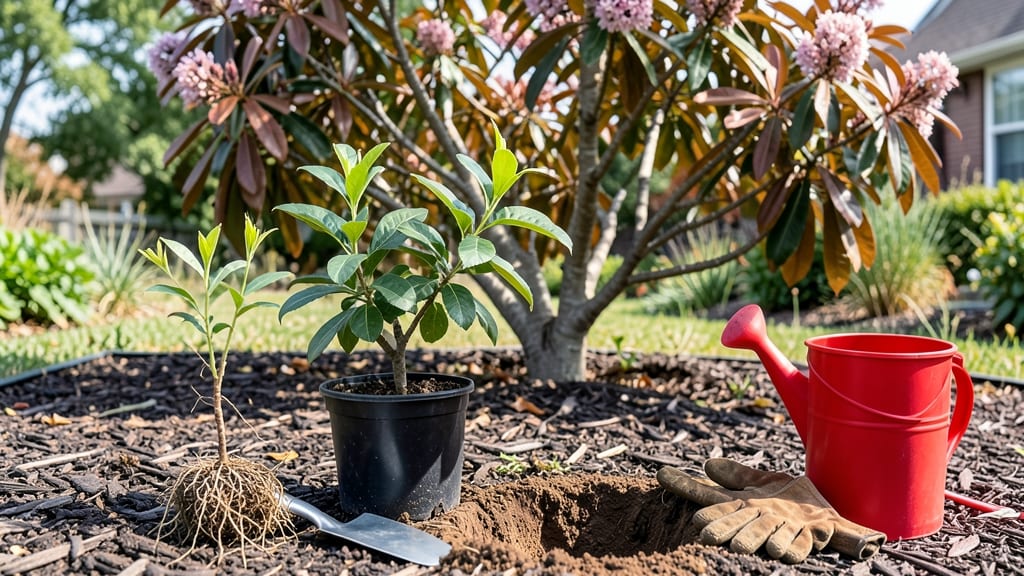
Planting your 🌸 crape myrtle at the wrong time in Zone 9 could mean struggling with weak growth or even losing your new tree before it ever blooms.
The key to success? Getting those roots in the ground when soil temperatures hit 60°F—right after your last frost date of January 15.
Why does timing matter so much? Crape myrtles thrive when they can establish strong roots before summer heat arrives. Plant too early, and frost damage risks set you back months.
Too late, and your young tree will stress under Zone 9's intense sun. The ideal window is February through April—when rain is reliable and soil stays warm enough for growth.
But here's what most gardeners miss: even within that window, there are critical deadlines. If you're planting in-ground, aim for early spring (March) when soil is workable but not waterlogged.
Container crape myrtles? You've got a little more flexibility until May, but don't wait too long—they'll need extra care to handle summer's heat.
I'll walk you through exactly how to prepare your soil, when to water (and when to hold back), and how to protect your new tree from Zone 9's unique challenges. Let's make sure your crape myrtle grows into the stunning focal point you've been dreaming of.
Best months to plant crape myrtle in Zone 9 for maximum survival
In Zone 9, crape myrtles thrive when planted during cool but frost-free periods. The key is avoiding both late winter frosts and summer heat stress, which can shock young roots.
My experience shows that March and April offer the perfect balance of warm soil and moderate temperatures—ideal for root establishment before summer's intensity.
Crape myrtles are semi-tropical plants that prefer 60-70°F soil temperatures to root effectively. Planting too early risks frost damage to tender roots, while planting too late exposes them to Zone 9's brutal summer heat, causing transplant shock.
Let's break down the science behind these planting windows to help you choose the best time for your crape myrtle.
Comparison Table: Spring vs. Fall Planting for Crape Myrtle in Zone 9
| Planting Window | Ideal Months | Soil Temp (°F) | Key Benefits | Risks to Avoid |
|---|---|---|---|---|
| Spring Planting | March - April | 60-70°F | Long growing season for root establishment; vibrant first-year blooms | Late frosts (after Jan 15); water stress in summer |
| Fall Planting | October - November | 60-65°F | Cooler temps reduce transplant shock; established roots before winter | Early winter frosts; limited root growth before dormancy |
For spring planting, aim for 4-6 weeks before last frost (typically mid-March to early April in Zone 9). This gives roots time to establish before summer's heat arrives. I've seen crape myrtles planted in late February struggle when unexpected 32°F nights hit—always check your local frost dates!
Soil preparation is critical in Zone 9's heavy clay soils. Before planting, amend with 2-3 inches of compost and sand to improve drainage. Crape myrtles hate waterlogged roots, so raised beds work wonders in areas with poor drainage.
My go-to mix is 60% native soil, 30% compost, and 10% perlite for optimal structure.
When planting, dig a hole twice as wide as the root ball but no deeper—this prevents root suffocation. Gently loosen roots if pot-bound, then backfill with native soil mixed with mycorrhizal fungi to boost early root growth.
Water deeply immediately after planting to eliminate air pockets and reduce transplant shock.
Transplant shock is the #1 killer of newly planted crape myrtles in Zone 9. To minimize stress, plant on a cloudy day and avoid full sun for the first 7-10 days. Use shade cloth if planting during peak summer months, even though this isn't the ideal window. Mulch heavily with 3-4 inches of wood chips to retain moisture and regulate soil temperature.
While March-April is ideal, late fall planting (October-November) can work if you're in Zone 9b. The key is getting plants in the ground 6-8 weeks before first frost (usually mid-November). Fall-planted crape myrtles benefit from cooler temps and higher humidity, which reduces stress during establishment.
Never plant crape myrtles in summer months (June-August) in Zone 9. The intense heat and low humidity create perfect conditions for transplant shock. I've watched $50 plants wilt within days when planted in July—the roots simply can't handle the stress.
If you must plant in summer, use drip irrigation and shade cloth for at least 30 days.
Pro tip: Test your soil pH before planting—crape myrtles prefer 6.0-7.0. In Zone 9, many soils are alkaline, so amend with sulfur if needed. Also, choose dwarf varieties (like 'Arapaho' or 'Tonto') for smaller spaces—they establish faster and handle Zone 9's climate better than standard types.
Remember, the first year is about root growth, not blooms. Focus on consistent watering, proper mulching, and minimal fertilization (just a light spring feeding).
With the right timing and care, your crape myrtle will reward you with vibrant blooms for decades—starting as early as its first summer!
Zone 9 crape myrtle planting calendar: month-by-month breakdown
Planting crape myrtles in Zone 9 requires precision—timing affects root establishment and summer survival. The ideal window spans late winter through early spring, when soil temperatures stabilize above 60°F and afternoon heat isn't yet overwhelming.
Let's break down each month's conditions to maximize your crape myrtle's chances of thriving in this warm climate.
Zone 9's 300+ frost-free days mean we avoid winter planting entirely. Instead, focus on months where humidity is moderate (40-60%) and rainfall averages 1-2 inches per week.
The soil temperature must be consistently warm enough to prevent shock—cold soil stunts root growth, while scorching summer soil can bake tender roots.
| Month | Soil Temp (°F) | Rainfall (in) | Humidity (%) | Planting Status | Notes |
|---|---|---|---|---|---|
| January | 55-65 | 1.5-2.5 | 50-65 | ❌ Avoid | Risk of late frost; soil too cool for root growth. |
| February | 60-70 | 1-2 | 45-60 | ⚠️ Possible | Early in month only; monitor weather forecasts. |
| March | 65-75 | 1-1.5 | 40-55 | ✅ Ideal | Perfect balance of warmth and moisture for root establishment. |
| April | 70-80 | 0.5-1.5 | 35-50 | ✅ Ideal | Best month; soil stays warm but not yet scorching. |
| May | 75-85 | 0.2-1 | 30-45 | ⚠️ Possible | Late May only; use shade cloth if planting midday. |
| June-August | 85-95+ | 0-0.5 | 25-40 | ❌ Avoid | Extreme heat stresses transplants; high evaporation risks. |
| September | 80-88 | 0.5-1.5 | 40-55 | ⚠️ Possible | Early September only; prioritize container-grown plants. |
| October-December | 60-75 | 1-3 | 50-70 | ❌ Avoid | Cooler temps slow root growth; frost risk in December. |
March and April stand out as the absolute best months for planting crape myrtles in Zone 9. During these months, soil temperatures hover between 65-80°F, providing the perfect environment for root growth without the stress of summer heat.
The lower humidity (40-55%) also reduces fungal risks that plague transplants in muggy conditions.
July and August are hard no-gos—the 90°F+ soil temperatures can cook young roots, while intense sunlight and low rainfall create transplant shock. If you must plant during these months, opt for container-grown crape myrtles with established root balls and provide afternoon shade for the first 2-3 weeks.
For container planting, the calendar shifts slightly—you can plant 1-2 weeks earlier in February or 1 month later in May since pots warm up faster. Always use well-draining soil mixes and keep containers in partial shade during the hottest afternoon hours to prevent root burn.
Pro tip: After planting in your chosen month, mulch heavily with 2-3 inches of organic mulch