
Plants
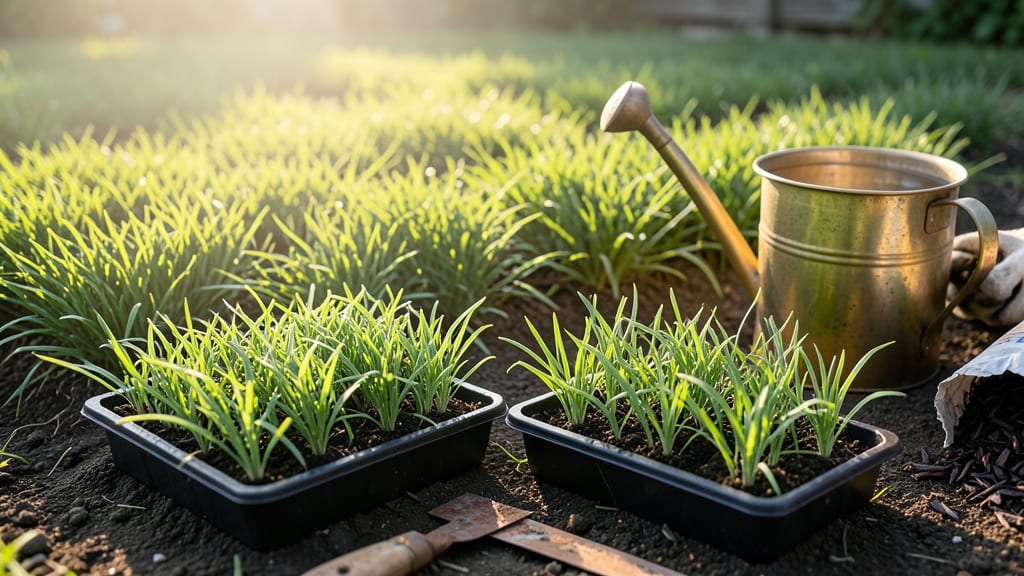
Planting Saint Augustine Grass 🌱 at the wrong time in Texas can turn your dream lush lawn into a struggling patch—too early and frost zaps its growth, too late and scorching heat stresses the roots.
The best time to plant isn't just a guess; it's a science based on Texas' unique climate zones and soil conditions.
Most Texas gardeners swear by two ideal windows: late spring (April-June) when soil warms consistently above 60°F, and early fall (August-September) to avoid summer's brutal heat. But here's the catch: your exact timing depends on whether you're in North Texas' cooler zones or South Texas' warmer microclimates.
I'll break down the exact months that work best for your specific region, plus how to prep your soil and avoid common mistakes that derail even the best-laid lawn plans. Think of this as your Texas-specific planting roadmap for that thick, green carpet you've been dreaming of.
Ready to skip the trial-and-error? Let's dive into the precise timing that'll give your Saint Augustine Grass the strong start it deserves—without waiting for next year's planting season to get it right.
Best months to plant St augustine grass in Texas for optimal root growth
If you're planting St. Augustine grass in Texas, timing is everything. This warm-season grass thrives when soil temperatures stay above 60°F, but planting too early risks frost damage, while planting too late means battling scorching summer heat.
The ideal windows are March-May and August-September, but let’s break down why these months work best for your Texas lawn.
Texas' diverse climate zones—from North Texas' cooler winters to South Texas' balmy coastal air—create microclimates that shift planting schedules. For example, North Texas can plant as early as late February, while South Texas might wait until April to avoid unexpected cold snaps.
Always check your local USDA hardiness zone (8a-10a) for precision.
Soil temperature is the #1 factor for root growth. Use a soil thermometer to confirm temps are consistently above 60°F at 4 inches deep. In March-May, daytime temps rise gradually, giving grass time to establish roots before summer’s intensity.
Meanwhile, August-September offers cooler soil and higher humidity, reducing stress during early growth.
Rainfall patterns also play a role. Texas summers bring scorching heat and drought, making August-September planting ideal—you’ll benefit from late-summer rains that keep soil moist without overwatering. In contrast, spring planting relies on consistent irrigation, as Texas’ unpredictable spring showers can’t always suffice.
Before planting, verify your local conditions. Check the National Weather Service for 10-day forecasts and your county extension office for frost dates. For example, Dallas (Zone 8a) typically sees its last frost in mid-March, while Houston (Zone 9a) rarely experiences frost. Adjust your schedule accordingly!
For North Texas, prioritize March-April planting. Cooler nights and moderate rainfall create ideal conditions, while Central Texas can extend planting into May thanks to its milder winters. In South Texas, where winters are nearly frost-free, August-September becomes the safer bet to avoid summer’s brutal heat.
Pro tip: If you’re planting in urban areas, like Austin or San Antonio, watch for heat islands that can raise soil temps prematurely. Use shade cloth or mulch to regulate temperatures if planting early. Conversely, rural areas may experience cooler microclimates, allowing for slightly earlier planting.
Once you’ve nailed the timing, focus on soil prep. St. Augustine grass prefers slightly acidic soil (pH 6.0-7.5) and well-draining conditions. Test your soil 2-3 weeks before planting and amend with compost or peat moss if needed. This ensures your grass gets a strong start and minimizes transplant shock.
After planting, maintain consistent moisture—aim for 1-1.5 inches of water per week—and avoid heavy foot traffic for the first 4-6 weeks to protect young roots. With the right timing and care, your St. Augustine grass will establish deep roots and thrive through Texas’ long, hot summers.
How Texas climate zones affect St augustine grass planting timing
Texas' diverse climate zones create three distinct windows for planting St. Augustine grass. In North Texas (Zones 7b-8a), cooler winters mean you can start as early as late March, while Central Texas (Zones 8a-8b) gardeners should aim for April to early May.
Down in South Texas (Zones 9a-10a), the extended growing season lets you plant until mid-June—but timing still matters to avoid summer stress.
Microclimates add another layer. Urban areas like Dallas or Houston often experience heat islands, delaying planting by 1-2 weeks compared to rural spots. Meanwhile, coastal regions in South Texas can push planting 2 weeks later due to higher humidity.
Always check your local frost dates and soil temperatures—St. Augustine needs consistent 60°F+ soil to thrive.
Comparison Table: Texas Climate Zones & Planting Windows
For North Texas, focus on early spring planting (March-April) to capitalize on cooler temps and spring rains. In Central Texas, the April-May window balances warmth with moderate rainfall, while South Texas gardeners should prioritize May-June to avoid peak summer heat.
Always test your soil—St. Augustine prefers slightly acidic (6.0-7.0 pH) and well-draining conditions.
Pro tip: Use a soil thermometer to confirm 60°F+ soil temps before planting. In urban areas, consider shade cloth for new seedlings during 100°F+ heat waves. Rural areas often benefit from natural windbreaks, which reduce stress on young grass.
Remember, late summer (August-September) offers a second planting window across all zones—just avoid planting after August 15 in North Texas to prevent fall frost damage. With the right timing, your St. Augustine will establish deep roots and thrive year-round.
🌱