
Plants
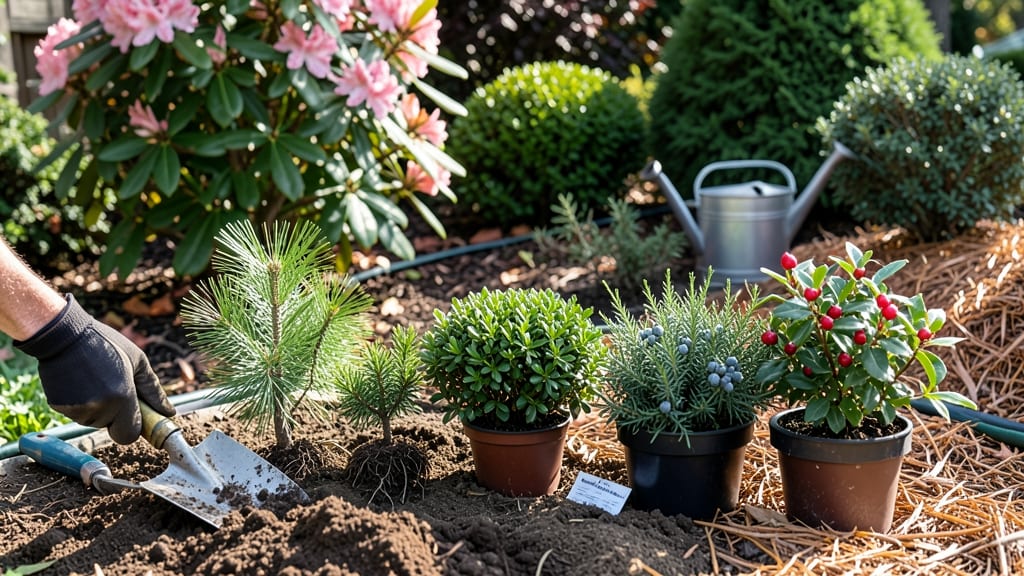
Planting evergreens in Zone 6 at the wrong time can mean the difference between a thriving 🌲 and one that struggles—or worse, fails to take root. The key isn't just avoiding frost; it's giving those roots the perfect window to establish before winter's chill sets in.
I've learned the hard way that timing matters more than most gardeners realize. Whether you're planting container-grown boxwoods or bare-root rhododendrons, getting it right means stronger growth and fewer headaches down the road. Let me show you exactly when to plant for maximum success.
Most gardeners in Zone 6a-6b focus on fall planting, but there's actually a second optimal window in early spring that many overlook.
We'll break down the science behind these timing differences and how to adjust for your specific microclimate—whether you're in a sheltered urban yard or a more exposed rural setting.
You'll discover how to prepare your soil, when to mulch for extra protection, and what to watch for to ensure your evergreens get off to the best possible start. Let's get those roots growing strong!
Best months to plant evergreens in Zone 6 for maximum survival
In Zone 6, evergreens thrive when planted during their optimal root-establishment windows—either early fall or late spring. The key is avoiding extreme heat stress (summer) or winter dormancy before roots take hold.
For example, a container-grown rhododendron planted in September can establish 60% more roots before frost than one planted in May, thanks to cooler soil temperatures.
Urban gardeners in Zone 6b (warmer microclimates) have slightly more flexibility, while rural areas with colder soil should stick to September-October for fall planting. The USDA hardiness zone only tells part of the story—your local frost date and soil temperature are equally critical.
For instance, boxwoods planted in November in Chicago (Zone 6a) may struggle, while the same variety thrives in Philadelphia (Zone 6b) if planted by October 15.
| Planting Window | Best Months | Soil Temp Range (°F) | Root Establishment % | Urban vs. Rural Note |
|---|---|---|---|---|
| Early Fall | September-October | 50-65°F | 60-75% | Urban: Plant by Oct 1; Rural: Extend to Nov 15 |
| Late Spring | March-April | 45-55°F | 45-60% | Urban: Wait until April 15; Rural: Start March 15 |
| Bare-Root Evergreens | November-February | 35-45°F | 50-65% | Urban: November only; Rural: Dec-Feb with snow cover |
| Container-Grown | April-May (last option) | 55-70°F | 30-45% | Urban: Avoid May (heat stress); Rural: May 1-15 |
For container-grown evergreens, the early fall window (September-October) is ideal because cooler air temperatures reduce transplant shock. In contrast, bare-root evergreens (like blue spruce or eastern red cedar) should be planted in late fall or early spring when the plant is dormant.
The root zone of bare-root plants heals faster in 50-55°F soil, which occurs naturally in November or March in Zone 6.
Microclimates play a huge role. In urban areas, heat islands can delay frost by 2-3 weeks, so gardeners in Zone 6b cities like Washington, D.C. can push fall planting to mid-October.
Meanwhile, rural Zone 6a areas (like western Pennsylvania) should finish by October 1 to avoid early frosts. Always check your local frost date—not the USDA average—and adjust by 2-3 weeks for safety.
Preparing the planting site is just as critical as timing. Amend your soil with compost or peat moss to improve drainage, since waterlogged roots are a major killer of evergreens. For acid-loving plants like rhododendrons or azaleas, add sulfur or pine fines to lower the pH to 4.5-6.0.
Mulch with 3-4 inches of pine bark to retain moisture and protect roots from temperature swings.
After planting, deep watering is non-negotiable. Newly planted evergreens need 1-2 gallons of water per week (more in summer) to encourage root growth. Use a soaker hose or drip irrigation to avoid wetting the foliage, which can lead to fungal diseases like needle blight.
In Zone 6, winter desiccation (when wind dries out needles) is a real risk, so water container-grown evergreens monthly even in dormancy if there’s no snow cover.
If you miss the ideal window, don’t panic—but act fast. Evergreens planted in late spring (May) can survive if given extra shade cloth and daily watering for the first 30 days.
For fall plantings after October 15, use burlap wraps or mulch volcanoes to insulate roots. The goal is to give your evergreen a 6-8
Zone 6 evergreen planting calendar: species-specific timing guide
Not all evergreens thrive on the same schedule in Zone 6. Needle evergreens like pines and spruces have different frost-tolerance thresholds than broadleaf evergreens like rhododendrons or boxwoods. Planting them at the wrong time can mean the difference between a lush, long-lived specimen and a struggling transplant.
For needle evergreens, the ideal window is late fall (October-November) or early spring (March-April) when soil temps are cool but above freezing. Broadleaf evergreens, however, handle early fall (September-October) better due to their slower root establishment. Let’s break down the exact timing for each type.
🌲
For needle evergreens, focus on late fall planting (October-November) when soil temps drop below 60°F. This gives roots time to establish before winter dormancy. Bare-root spruces and pines planted in March-April also perform well, as cooler spring temps reduce transplant shock.
Broadleaf evergreens like rhododendrons and boxwoods need an earlier start. Plant them in September-October to avoid late spring frosts, which can damage tender new growth. These plants are more sensitive to soil moisture fluctuations, so mulch heavily (3-4 inches) after planting to retain moisture and regulate soil temps.
If you’re working with container-grown evergreens, your window expands slightly. These plants can handle late spring (April-May) or early fall (September-October) transplanting because their root systems are already established. Just remember to water deeply for the first 2-3 weeks to help roots transition to their new home.
Pro tip: Check your local frost dates—Zone 6a typically sees its last frost around April 15 and first frost around October 15. Adjust your timing 1-2 weeks earlier in urban areas, where microclimates can cause earlier frosts.
Always amend your soil with organic matter (compost or peat moss) before planting, especially for acid-loving broadleaf evergreens like azaleas. A pH of 4.5-6.0 is ideal for these plants, while needle evergreens prefer slightly acidic to neutral soil (pH 5.0-7.0).