
Plants
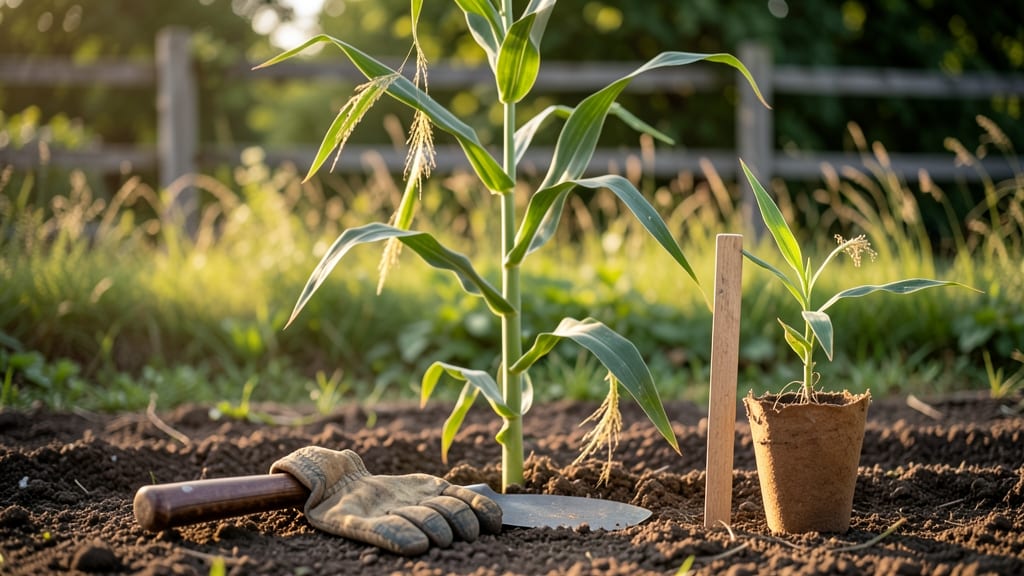
Timing your corn planting in West Virginia can make or break your harvest—get it wrong, and you might end up with stunted 🌽 plants or lost seeds to frost.
The sweet spot? Planting after the last frost, typically between mid-April and early May, when soil temperatures hit at least 50°F.
But here’s the catch: West Virginia’s varied elevations and microclimates mean your neighbor’s perfect planting window might not work for you.
Whether you’re in the Northern Panhandle or the Mountain State, knowing your USDA Zone 6a and local frost patterns is key to avoiding common mistakes like planting too early (risking frost damage) or too late (missing the growing season).
In this guide, I’ll break down the exact frost-free window by county, the best corn varieties for your area, and pro tips to stretch your growing season—like using row covers or companion planting—to maximize your yield. Let’s get those kernels popping!
Ready to turn your backyard into a cornfield? You’ll learn how to time it just right, pick the right seeds, and even protect your crop from late frosts. No more guessing—just a bumper crop waiting to happen.
West Virginia county-specific frost dates for planting corn
West Virginia’s diverse geography—from the Appalachian Mountains to the Eastern Panhandle’s river valleys—creates wildly different last frost dates for corn.
The Northern Panhandle (USDA Zone 6a) often sees frost-free conditions by mid-April, while southern counties like McDowell or Mercer (Zone 7a) can plant as early as late March. Elevation shifts these windows by 1-3 weeks, so knowing your local microclimate is critical for success.
Corn seeds won’t germinate below 50°F soil temperature, but young plants can’t survive below 32°F. This means planting too early risks frost damage, while delaying too long shortens the growing season.
The WVU Extension Service tracks historical frost data, but topography matters more—valleys warm faster than ridges, and urban heat islands can push back frost dates by 5-7 days.
Below is a county-by-county breakdown of average last frost dates, adjusted for elevation. Use these as starting points, then monitor your local soil temperature and weather forecasts for real-time adjustments. For high-elevation areas (e.g., Pocahontas County), wait until May 1st to avoid frost risk entirely.
| Region | Average Last Frost | Safe Planting Window | Notes |
|---|---|---|---|
| Northern Panhandle (e.g., Ohio, Marshall) | April 15–20 | April 25–May 5 | Zone 6a; valleys may be 1 week earlier. |
| Eastern Panhandle (e.g., Berkeley, Jefferson) | April 10–15 | April 20–May 1 | Zone 6b; river valleys warm faster. |
| Central WV (e.g., Kanawha, Boone) | April 20–25 | May 1–10 | Zone 6a/7a; elevation shifts dates by 1 week. |
| Southern WV (e.g., McDowell, Mercer) | March 25–April 5 | April 10–20 | Zone 7a; earliest in the state. |
| High Elevation (e.g., Pocahontas, Randolph) | May 1–10 | May 15–25 | Zone 5b/6a; wait until soil warms. |
If you’re in a transition zone (e.g., Fayette or Raleigh), err on the side of caution—plant 1-2 weeks later than the average date. A sudden cold snap in late April can kill young corn, so use row covers if you’re pushing early planting.
For southern counties, you can even try succession planting in late May for a fall harvest before the first frost.
Pro tip: Check soil temperature with a soil thermometer—corn needs 60°F+ for consistent germination. If your soil is below 55°F, delay planting or use black plastic mulch to warm it faster. In high-elevation areas, consider starter fertilizers to jumpstart growth in cooler conditions.
For field corn (grown for livestock), you’ll want to plant 2-3 weeks earlier than sweet corn to maximize grain yield before frost. Meanwhile, dwarf varieties like ‘Bodacious’ can tolerate slightly cooler soils, making them ideal for northern or high-elevation gardens.
Always adjust your planting depth—deeper in dry soil, shallower in wet areas—to ensure even germination.
Optimal corn varieties and planting timing for WV’s climate zones
West Virginia’s diverse climate zones—from the Northern Panhandle’s cooler springs to the Southern Counties’ longer frost-free seasons—demand careful corn variety selection. The wrong choice can mean stunted plants or missed harvests.
For example, 'Silver Queen', a short-season variety (60–70 days), thrives in the Northern Panhandle’s shorter growing window, while 'Pioneer 39T21' (100+ days) suits the Southern Counties’ extended summers.
Soil temperature is non-negotiable: corn seeds won’t germinate until the soil hits 50°F+. In WV’s USDA Zone 6a, this typically aligns with mid-April to early May—but check local frost data.
Use a soil thermometer to confirm readiness. Planting too early risks frost damage, while waiting too long may cut your harvest short.
Here’s how to match your corn variety to WV’s frost-free windows and adjust planting dates for early/late frosts:
| Region | Best Variety | Days to Maturity | Planting Window | Soil Temp Requirement | Adjust for Late Frost? |
|---|---|---|---|---|---|
| Northern Panhandle (Zone 6a) | Silver Queen | 60–70 days | Mid-April to early May | 50°F+ | Use row covers if frost risk persists |
| Eastern Panhandle (Zone 6a) | Ambrosia | 75–80 days | Late April to mid-May | 55°F+ | Plant near hills for warmth |
| Mountain State (Zone 6a) | Peaches and Cream | 80–85 days | Early May | 55°F+ | Wait for stable 60°F+ soil |
| Southern Counties (Zone 6a/7) | Pioneer 39T21 | 100+ days | Late April to early May | 50°F+ | Succession plant for extended harvest |
For late frosts, adjust planting dates by 1–2 weeks later if your area has a history of May frosts. For example, if your last frost is typically May 10, plant Silver Queen around May 15 instead.
Alternatively, use black plastic mulch to warm soil faster and get an earlier start.
Pro tip: Succession planting works well in WV’s longer seasons. After your first planting, sow a second batch of short-season varieties (like 'Golden Bantam') 2–3 weeks later for a staggered harvest. This ensures you’re not overwhelmed with corn all at once and maximizes your garden’s productivity.
Finally, monitor your plants closely. If a late frost threatens after germination, cover seedlings with frost cloth or a lightweight blanket. Corn is resilient, but young plants are vulnerable. With the right variety and timing, you’ll enjoy sweet, juicy ears all summer long.