
Plants
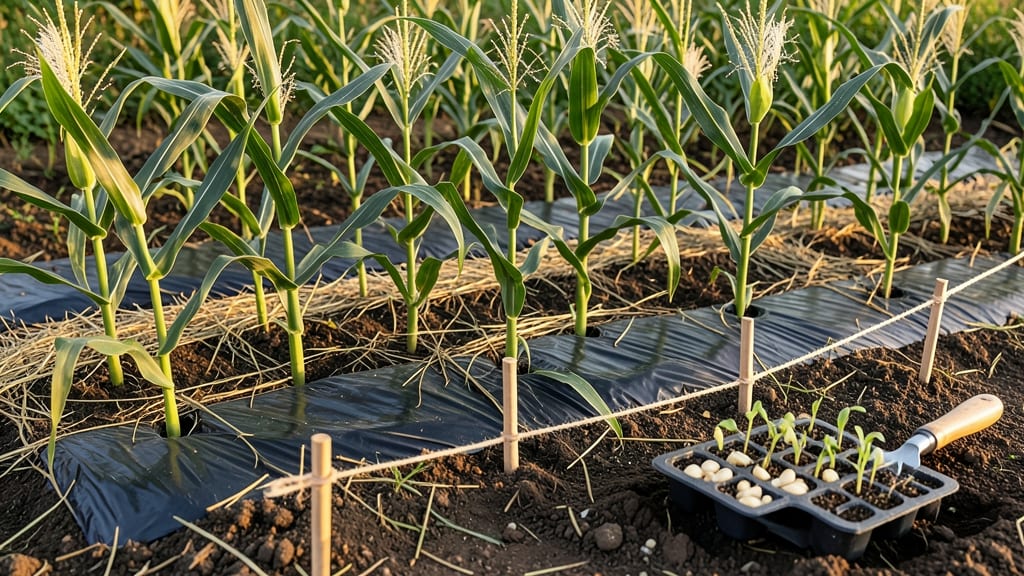
Planting corn at the wrong time in Zone 5B can mean the difference between a bumper crop and wasted effort—so timing isn’t just important, it’s critical for germination and yield.
If you’ve ever stared at seed packets wondering when to plant corn in Zone 5B without a clear answer, you’re not alone. The key lies in balancing soil warmth, frost dates, and variety types to ensure your 🌽 thrives from seed to harvest.
In Zone 5B, where frost lingers until mid-May, planting too early risks cold soil and stunted growth, while waiting too long cuts your harvest window short. The ideal planting window—mid-April to late May—depends on soil temperatures reaching at least 60°F and your local last frost date.
This isn’t just guesswork; it’s a science that separates thriving gardens from disappointing rows of seeds.
Whether you’re growing sweet corn for summer meals or dent corn for fall storage, understanding these nuances saves time and effort. I’ll walk you through exact planting weeks, soil prep tips, and how to adjust for early or late varieties.
By the end, you’ll know exactly when to drop those seeds for the best chance at plump, juicy ears.
Ready to turn your garden into a cornucopia? Let’s dive into the game-changer strategies that make all the difference in Zone 5B’s unpredictable climate. Your future harvest starts with the right timing—and I’ve got you covered.
Optimal planting weeks before last frost in zone 5B for corn germination
Getting the timing right for planting corn in Zone 5B is everything—corn seeds need warm soil (60°F+) to germinate properly, and planting too early risks frost damage.
The key window is 2-3 weeks before your last average frost date, but this varies slightly depending on your corn variety and local microclimate.
Most Zone 5B gardeners experience their last frost around mid-to-late May, so aim to plant corn between mid-April and early May. Early varieties can handle slightly cooler soils, while late-season types need that extra warmth to mature fully before fall frosts arrive in October.
Here’s the critical rule: Wait until soil temperatures consistently stay above 60°F—corn seeds won’t sprout reliably in cooler conditions. Use a soil thermometer to check, or watch for dandelions blooming (a natural indicator of warm soil).
To find your exact last frost date, check the USDA Plant Hardiness Zone Map and local weather records. Many Zone 5B areas have May 15 as the average last frost, but urban heat islands or elevation can shift this by a week or more.
For precise timing, use the Almanac’s Frost Calculator or ask your local Cooperative Extension Service.
Pro tip: Plant corn in blocks (not rows) to improve pollination—this is especially critical in Zone 5B where cooler temps can slow tassel development. Space seeds 1-1.5 inches deep and 4-6 inches apart, then thin to 12 inches apart once seedlings reach 6 inches tall.
If your soil stays cool past the ideal window, consider using black plastic mulch to warm the soil faster. This can push your planting date back by 1-2 weeks while still ensuring proper germination. Just remove the mulch once plants emerge to avoid overheating.
Remember, corn needs 90-120 days to mature, so late plantings risk immature ears before fall frosts. For a second harvest, try succession planting with fast-maturing varieties like 'Ambrosia' (70 days to harvest) in early June.
Start seeds indoors 2-3 weeks before transplanting if your spring is particularly chilly. Use biodegradable pots to avoid root disturbance when moving seedlings outdoors. Harden them off for 5-7 days before transplanting after all frost risk has passed.
Finally, monitor your garden’s microclimate—south-facing beds warm up faster than north-facing ones. If you’re in a high-elevation Zone 5B (like the Rockies), plant 1-2 weeks later than coastal areas to account for cooler nights.
With the right timing and a little patience, you’ll be pulling sweet, juicy ears of corn straight from your Zone 5B garden by late summer! 🌽
How to adjust planting time for early, mid-season, and late corn varieties in zone 5B
Corn isn’t a one-size-fits-all crop—different varieties thrive when planted at specific times in Zone 5B. Early sweet corn like 'Golden Bantam' needs a head start, while late dent corn varieties can handle warmer soils later in the season.
Understanding these timing nuances ensures your corn matures before the first frost and maximizes your harvest.
Succession planting is your secret weapon for continuous harvests. By staggering plantings every 2-3 weeks, you can enjoy fresh ears from July through September instead of a single overwhelming harvest. This method also reduces waste and keeps your kitchen stocked with homegrown goodness all season long.
To extend your growing window, use black plastic mulch or lightweight row covers. These tools warm the soil faster in spring and protect tender seedlings from unexpected late frosts.
For example, laying down mulch 1-2 weeks before planting can raise soil temperatures by 5-10°F, giving early varieties the boost they need.
- 1 Early Varieties (e.g., 'Silver Queen'): Plant 2-3 weeks before last frost (mid-April in Zone 5B). Soil should reach 60°F+ for reliable germination.
- 2 Mid-Season Varieties (e.g., 'Country Gentleman'): Plant 1-2 weeks before last frost (late April). Ideal for succession planting every 2 weeks.
- 3 Late Varieties (e.g., 'Black Aztec'): Plant at last frost or 1 week after (early May). Best for dent corn or popcorn with longer maturity.
- 4 Succession Planting Tip: Space plantings 2 weeks apart for a rolling harvest. Use row covers for early plantings to protect from frost.
- 5 Extend Season with Mulch: Lay black plastic mulch 1-2 weeks before planting to warm soil faster and suppress weeds. Remove after harvest.
For popcorn varieties, prioritize late plantings (early May) since they require longer maturity times (100-120 days). Varieties like 'Glass Gem' thrive with this timing and produce vibrant, colorful kernels perfect for popping. Just remember: popcorn needs full sun and consistent moisture to develop properly.
If your season feels too short, consider short-season varieties like 'Early Sunglow', which matures in just 60-65 days. These are ideal for late plantings or areas with shorter frost-free periods. Pair them with row covers to push your harvest window even further.
Always monitor your local frost dates and adjust planting times accordingly. In Zone 5B, aim to have corn harvested before October 15 to avoid frost damage. With the right timing and a few simple tricks, you’ll enjoy a bountiful corn harvest all season long! 🌽